Politics & Government
CA Lawmaker Seeks to Spare Workers From 'Costly Hurdles'
Sen. Mike Morrell, R-Menifee, introduced SB 999 in February.
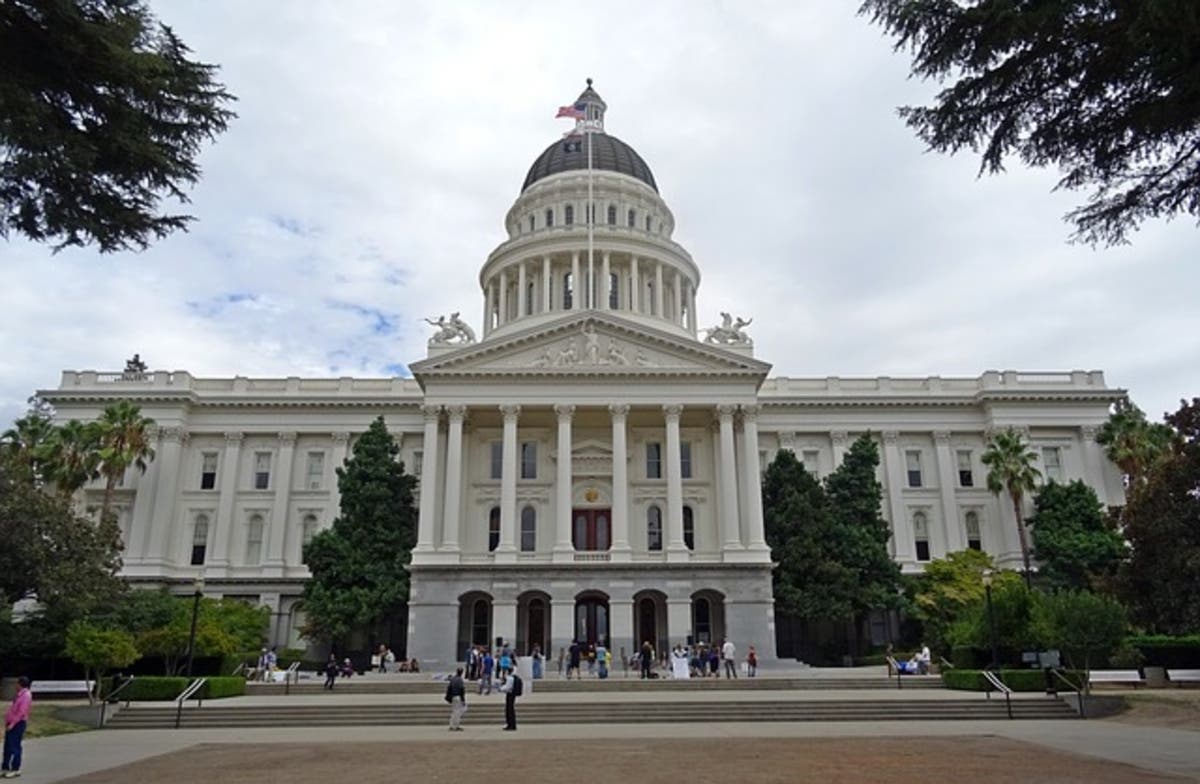
RIVERSIDE, CA -- An Inland Empire lawmaker's bill seeking to amend California law so that individuals who dress and shampoo hair are freed from bureaucratic barriers that require them to receive hundreds of hours of training and pay fees to the state will go before a Senate committee on Monday.
Sen. Mike Morrell, R-Menifee, introduced SB 999 in February as a first step toward undoing some of the requirements that, he said, prevent people on the lower rungs of the economic ladder from entering the workforce.
"Occupational licensing is just another way for government to collect more money from hardworking Californians, while it picks winners and losers," Morrell said. "Unfortunately, those who lose out tend to be the people who can least afford it."
Find out what's happening in Banning-Beaumontfor free with the latest updates from Patch.
The Arlington, Virginia-based Institute for Justice ranks California the "most broadly and onerously licensed" state in the nation, and SB 999 would be one way to slightly lessen the regulatory burden, the senator said.
The bill, which will be reviewed by the Economic Development Committee, takes aim at the Barbering & Cosmetology Act, specifically provisions that address "shampooing, arranging, dressing, curling and waving hair."
Find out what's happening in Banning-Beaumontfor free with the latest updates from Patch.
Under the proposal, individuals who wish to engage in that activity for money would no longer have to receive a barbering license. Existing law mandates receipt of 1,500 hours training from an authorized facility, satisfactorily completing written and practical exams and paying up to $125 in annual fees to obtain a license.
"The average amount spent on licensing fees in California is $486, with an average education requirement of 827 days, and two examinations," Morrell stated in his proposal. "Included in the list of occupations licensed are questionable jobs that reasonably should not require a license. However, thanks to the influence of industry lobbyists and powerful boards that have monopolized their respective industries via licensing requirements, attempts to reform ridiculous license requirements continue to fail."
The senator noted that Nevada, South Carolina, Tennessee, Texas and other states have repealed licensing requirements for "shampooers" without any reported "detrimental effects."
In California, failing to get licensed for providing a shampoo or hair arrangement service can result in a $1,000 fine, and if there are repeated offenses, misdemeanor charges can be filed.
A non-partisan Senate analysis of Morrell's bill found merit in his argument that people are losing out on employment opportunities because of the certification prerequisites.
Analysts cited a 2015 Little Hoover Commission report, "Jobs for Californians: Strategies to Ease Occupational Licensing Barriers," which noted "strict licensing creates barriers to mobility for workers (who are) particularly vulnerable to occupational licensing laws, including former (criminal) offenders, military spouses, veterans and immigrants."
The Washington, D.C.-based free market think tank R Street Institute has submitted statements to the Legislature on behalf of SB 999. The group's western regional director, Steven Greenhut, complained that it was "absurd people who simply want to shampoo or dress hair have to jump through enormous and costly hurdles to do so."
Morrell's anti-red tape crusade includes SB 1371, which would require the state to compile a "list of all occupational licenses required by California," to be updated regularly for the public to see. No such list now exists, the senator said.
--City News Service/Photo via Shutterstock