Schools
UC Riverside Researchers Part Of $55.6M Alzheimer's Study Grant
The study has already enrolled 5,800 test subjects, 900 of whom agreed to permit their brains to be analyzed post-mortem, UCR said.

RIVERSIDE, CA — A $55.6 million federal grant is going to researchers at multiple universities, including UC Riverside, to develop cognitive assessment tools intended to gauge the depth and progression of Alzheimer's disease, with the objective of gaining insights as to what risk factors influence the progressive neurologic disorder, it was announced Wednesday.
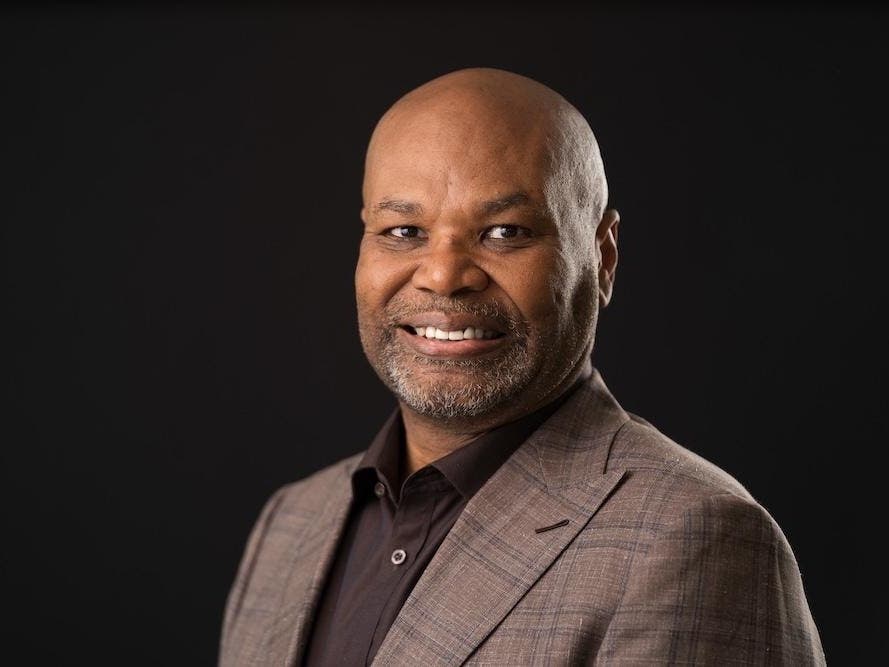
UCR psychology professor Aaron Seitz and associates at the university's Brain Game for Mental Fitness & Well-Being are part of the Adult Changes in Thought — ACT — Study funded by the National Institute on Aging's five-year grant.
"The goal is to arrive at a deeper understanding of human aging and identify potentially novel biomarkers that predict health needs related to Alzheimer's and related diseases," Seitz said.
Find out what's happening in Banning-Beaumontfor free with the latest updates from Patch.
ACT also involves researchers from Boston University, Columbia University, the University of Pennsylvania, the University of Wisconsin- Madison, UC San Diego, the University of Washington School of Medicine and Kaiser Permanente Washington.
Additional research institutions are slated to join the effort, focusing on advancing digital technologies capable of tracking brain structure changes, neuronal responses to different drugs and general cognitive and physical functionality.
Find out what's happening in Banning-Beaumontfor free with the latest updates from Patch.
The latter will be the province of Seitz and his team, who received a roughly $1.5 million chunk of the grant, according to UCR.
"With the innovation of new digital tests, we can not only make traditional measures available to tele-medicine approaches, but in doing so create digital records, allowing for deeper comparisons over patients' performance across time," the professor said.
"We can also trace changes in fine motor skills, and more subtle changes in performance can be routinely evaluated by powerful computers, and then reevaluated as computing inevitably gets better with time," he said. "This, combined with the addition of new tests that cannot be conveniently delivered via paper and pencil, such as those involving hearing, fine visual skills, as well as newer measures of attention and memory, can revolutionize our understanding of cognitive aging."
The ACT study has already enrolled 5,800 test subjects, 900 of whom agreed to permit their brains to be analyzed post-mortem, UCR said.
Components of the project are being handled in different locations, but the researchers intend to consolidate them as the analyses progress.
"We hope these tools will successfully advance aging research," Seitz said. "After we develop the assessments and validate them in older adults in the Riverside area, we will integrate them into the studies run in the Seattle area."