Kids & Family
West Nile Virus Found in Banning, San Jacinto
The Riverside County Department of Environmental Health announced the findings of West Nile-infected mosquitoes and birds Monday.


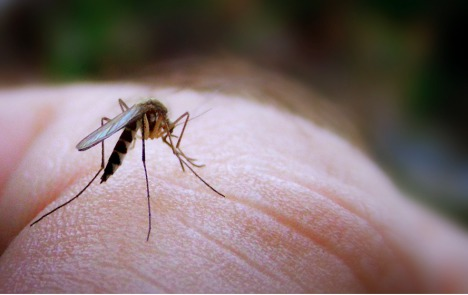
A dead crow found in Banning and mosquitoes collected in San Jacinto recently tested positive for West Nile Virus, county health officials announced Monday.
According to the County of Riverside Department of Public Health, the specimens were confirmed to be infected with the virus by the Vector-borne Disease Section at UC Davis. In addition to the Banning and San Jacinto finds, there were positive mosquitoes found in Nuevo.
"The samples were collected on July 16 from locations at the Nuevo Fire Station; near the San Jacinto River, north and south of Ramona Expressway; and the Eastern Municipal Water District wetlands and district ponds in San Jacinto," according to the department's program chief, Dottie Merki.
Last month, additional mosquitoes collected from Nuevo, along with some in Moreno Valley also tested positive for West Nile, according to the chief.
"The department also received confirmation last week that a dead crow in the city of Banning and a sentinel chicken at the San Jacinto Wildlife Area both tested positive for West Nile virus antibodies," Merki said in a distributed statement. "Certain species of birds, such as crows and raptors, seem more susceptible to the virus while others such as chickens, sparrows and finches react with antibodies without showing physical signs of infection."
According to Merki, it's not uncommon for these sorts of positive results in Riverside County-- especially during the summer. Back in 2012, 133 133 mosquito samples and 63 sentinel chickens tested positive for the virus.
The virus can be transmitted to humans when bit by an infected mosquito. However, most people will never even know they have it since illness isn't common, according to Merki.
"However, young children, the elderly or individuals with lowered immune systems are at greater risk of more severe symptoms," she said. "Anyone with symptoms should contact their health care provider."
Because of these findings, vector-control staff has been directed to intensify mosquito surveillance and efforts to control populations.
Residents are also encouraged to take an "active role" in reducing the threat of West Nile by doing the following:
- Protect yourself against mosquito bites by using insect repellent. Use a repellent with DEET (N, N-diethyl-m-toluamide), picaridin (KBR 3023), oil of lemon eucalyptus [p-methane 3, 8-diol (PMD)] or IR3535 according to the instructions on the product label. DEET products should not be used on infants under two months of age and should be used in concentrations of 30 percent or less on older children. Lemon eucalyptus oil should not be used on children under three years of age.
- Be aware of peak mosquito hours. Dawn and dusk are peak biting times for many mosquitoes. Consider rescheduling outdoor activities during that time.
- Clothing can help reduce mosquito bites. Wear long-sleeves, long pants, and socks when outdoors to help keep mosquitoes away from skin.
- Mosquito-proof your home. Drain standing water because mosquitos lay their eggs in standing water. Limit the number of places for mosquitoes to breed by draining/discarding items that hold water. Check rain gutters and drains. Empty unused flowerpots and wading pools. Change water in birdbaths and pet bowls at least weekly.
- Keep mosquitoes outside by having tightly fitting screens on all windows and doors.
To date, West Nile has been found in 30 counties in 2013. Of the reported cases, there have been one human case, one horse fatality, 228 dead birds, 555 mosquito samples, 27 sentinel chickens and four squirrels, according to Merki.
Contact the Riverside County Vector Control program at (951) 766-9454 or your local vector-control district to report mosquito problems, request mosquito fish and report neglected pools or standing water as potential mosquito sources. Visit the department online at www.rivcoeh.org to obtain more information.
Get more local news delivered straight to your inbox. Sign up for free Patch newsletters and alerts.