Politics & Government
UPDATE: Radioactive Plume Detected in California
Radiation monitors detect minuscule amounts, but there is no cause for alarm, authorities say. Health agencies warn against use of potassium iodide tablets at this time.
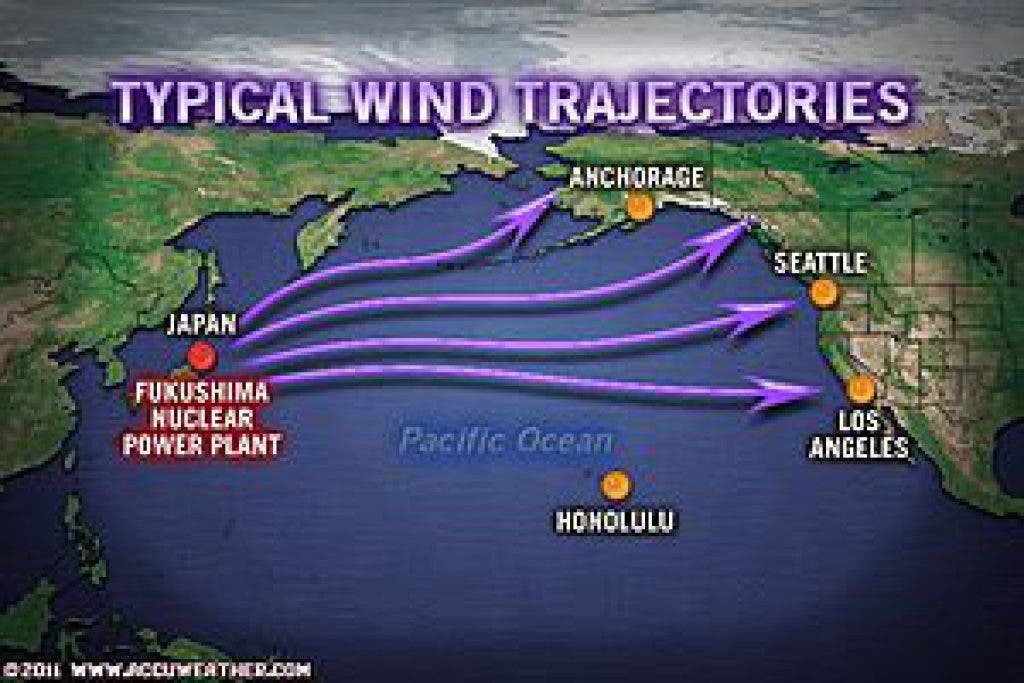

Updated: With reports of radioactive particles in Southern California and assurances from health officials. Link to animated map.
A radiation monitor in Sacramento has detected trace amounts of radioactive material from the nuclear-reactor crisis in Japan, the executive director of the Comprehensive Test Ban Treaty Organization said Friday.
The exact amounts were not available, CNN reported, but it quoted Tibor Toth as saying that are far less what's considered harmful to humans and are at predicted levels. The Associated Press and Reuters today quoted sources from the treaty organization as saying tiny amounts of radioactive particles also have arrived in Southern California. Health officials have said there's no danger to the West Coast or Pacific territories.
Find out what's happening in Belmont Shore-Naplesfor free with the latest updates from Patch.
Toth's organization monitors radiation around the world in its role of tracking explosions that might violate the treaty against open-air nuclear weapons testing.
But the amounts here were expected to be less "than you get during an X-ray at your dentist," a Long Beach pharmacist said Thursday night. (Click here to see an animated map.)
Find out what's happening in Belmont Shore-Naplesfor free with the latest updates from Patch.
The South Coast Air Quality Management District reported this morning that radiation levels measured at three Southland locations have not been higher than typical “background” levels seen before the earthquake and tsunami in Japan. The AQMD operates the monitors for the U.S. Environmental Protection Agency at the sites and sends the information hourly to the EPA
Despite the official assurances, residents have been calling local pharmacists seeking potassium iodide pills as a protective measure. Local pharmacies from Rite Aid to CVS in Belmont Shore, Seal Beach and Los Alamitos do not carry the pills, although some of them may receive them. The pharmacies that do carry the pills, which help to protect against radiation sickness, tend to be in south Orange County near the San Onofre nuclear power plant.
The Long Beach Health and Human Services Department and county health officers currently are urging residents not to take the tablets in response to the ongoing crisis in Japan.
There is no need to panic, local emergency coordinators say, because they are in touch with the experts and with FEMA, and the levels of radiation that would reach the United States don’t pose a health threat. If that were to change, said Todd De Voe, the emergency services coordinator for the city of Seal Beach, city governments would have enough notice to take emergency measures, such as evacuation.
Austria’s Federal Ministry for Science and Research has released a map showing radioactive material from the nuclear disaster in Japan as it heads across the Pacific Ocean. According to the United Nations, small amounts of radiation could reach California by Friday.
The U.N. says the plume will lose radioactive force as it travels and may not be detectable when it reaches the Southland. The Air Quality Monitoring District website (www.aqmd.gov) posts daily radiation monitoring in Southern California, and the Nuclear Regulatory Commission website (www.nrc.gov) has national updates. (See the AQMD's video in the accompanying gallery, above right, for an interview about the situation with Los Angeles County Health Officer Jonathan Fielding.)
Potassium iodide is a salt—the chemical symbol is KI—similar to table salt. It can be used to protect the human thyroid gland from radioactive iodine.
“I know there has been a run on them because of what is going on in Japan,” De Voe said. “But the pills should not be taken unless ordered to because the pills are only active for 24 hours. We would recommend people take the pills as they are evacuating. You wouldn’t want to take them and then sit and hang out.”
Because there isn’t a health threat associated with the radiation from Japan, De Voe said he doesn’t anticipate the need for any emergency measures. If there were such a need, measures would range from evacuations to recommending that people, “shelter in place,” by staying inside and turning off their air conditioners and closing their vents, said De Voe; the home should be enough to protect anyone from radiation particles.
Hundreds of Orange County residents concerned about the radiation that could be coming their way have been requesting potassium iodide pills from local pharmacists.
Residents in Belmont Shore, Seal Beach and Los Alamitos have been calling the CVS pharmacies on Pacific Coast Highway and on Katella seeking the pills, but the store doesn’t have any, said a pharmacist there. Similarly, other local pharmacies from the independent chains to Rite Aid don’t carry the pills either.
In Laguna Niguel, there are two groups that have been purchasing the pills: “those who are concerned there will be some fallout from the Japan nuclear plant” and “others who just want to be prepared and have it in their possession in case it does.”
San Juan Capistrano spokeswoman Kelly Tokarski said the city "has gotten ," for potassium iodide pills. "All they have to do is call the city to get it," she said.
About 100 people have called the city of San Clemente to stock up on the pills in case of emergency, said Jen Tucker, the city's emergency planning officer.
, she said. "It's more than we usually have, but it's not indicative of panic."
The Long Beach Health and Human Services Department emphasizes that use of the potassium iodide (or KI) tablets is currently not recommended and warns that they may be harmful to some. The department says on its website: "KI is not a 'radiation antidote.' and since radiation levels are not expected to be in a harmful range, the risks of taking the medication outweigh the benefits at this time." The statement goes on to say that residents should "be prepared for emergencies by updating and reviewing their emergency communication plan, and preparing or updating emergency kits for their home, car and work."
It posts an emergency preparedness guide at www.longbeach.gov/health/safety_prep/er_prep.asp."
The California Department of Public Health is taking calls about this situation (in English and Spanish) at (916) 341-3947.
Paige Austin in Seal Beach contributed to this report.