Politics & Government
Meeting Will Confront Long Beach Fracking Concerns
Long Beach, once part of the world's largest oil production fields, is among the urban production cities targeted by Dept. of Conservation for community input on regulations for the controversial practice.
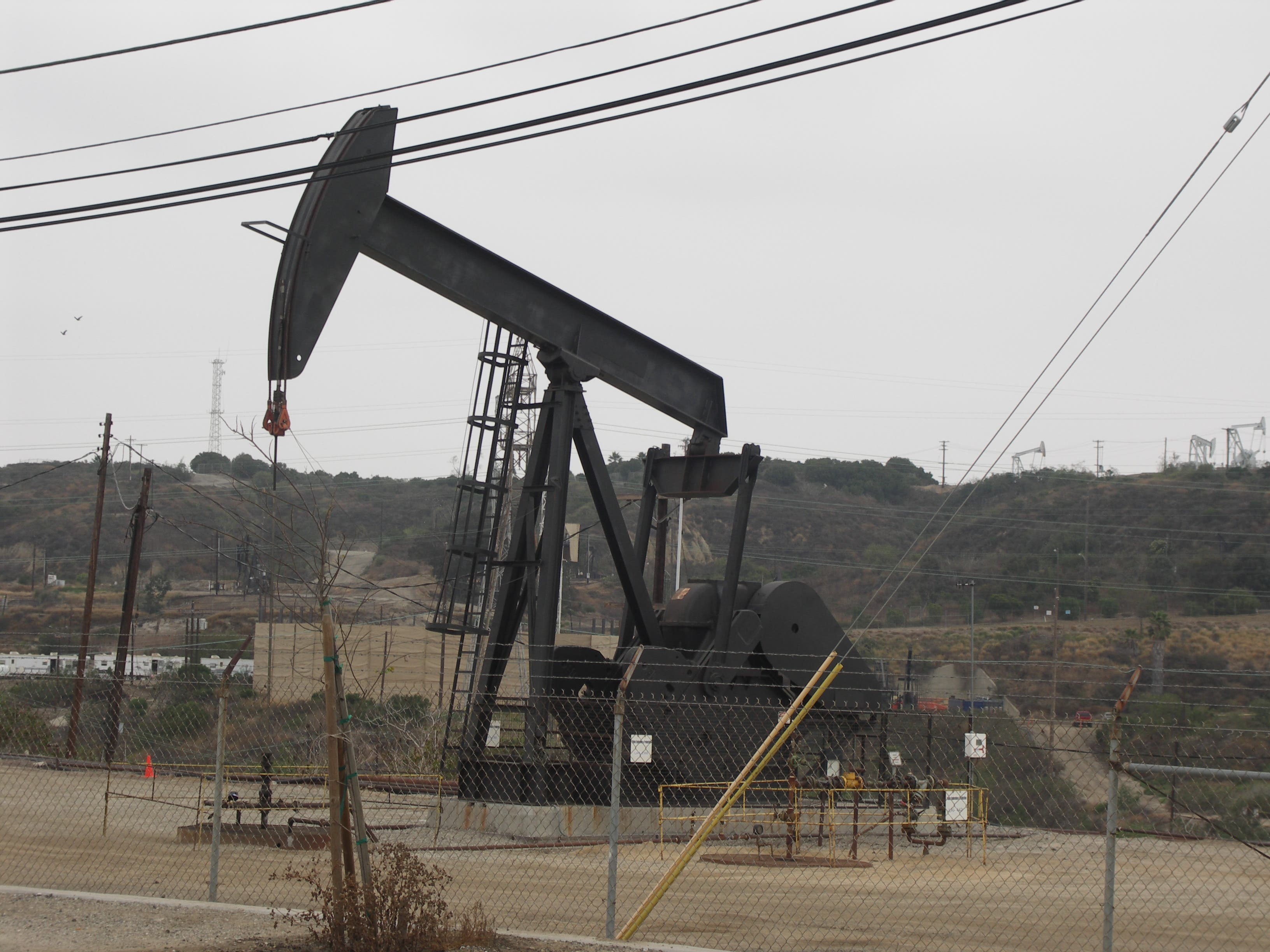
To educate the public about fracking, which is a term commonly used to describe hydraulic fracturing of earth deep underground to free oil and natural gas deposits, a workshop is set to place at the Cal State Long Beach Student Union Wednesday night.
Hosted by the Department of Conservation, the workshop is among several planned in cities with oil and natural gas-production - especially urban ones. The meeting is from 7 p.m. to 9 p.m.
Questions about what fracking is, and where it might be underway, will be fielded, but concerns and opinions will be gathered for possible regulations on an industry that remains self-regulated, despite possible environmental dangers it poses.
Find out what's happening in Belmont Shore-Naplesfor free with the latest updates from Patch.
Culver City hosted such a meeting Tuesday night that was preceded by a noisy street protest and 400 people who signed up to speak. Here is that mayor's statement to the Dept. of
The workshop will start off with an overview of the state’s oil and gas production, during which speakers will discuss the geologic sources of oil and natural gas, current requirements regarding well construction, why they are in place and technical explanations of hydraulic fracturing.
Find out what's happening in Belmont Shore-Naplesfor free with the latest updates from Patch.
In an exchange of information, the floor will then open for public comments and concerns.
The public commentary, along with results from an independent scientific study being conducted on a parallel timeline, will be used as a basis for drafting possible future regulations in the Rulemaking Process, scheduled to take place in late summer or early fall of this year, according to the Department of Conservation.
The public is encouraged to participate in that step as well.
A lack of transparency on the issue of fracking that led to the department's workshops has already resulted in the proposal of a bill, which was introduced by Sen. Fran Pavley.
Its subsequent defeat by an 18-17 vote in the state Senate was addressed by L.A. Times writer Michael Hiltzik in his June 10 article, Let's Close the Information Gap About Fracking.
“[The bill] merely would have required that drillers notify local property owners and water authorities in advance that fracking was going to take place, and that groundwater be tested before and after the drilling so that any damage produced by the drilling could be pinpointed,” Hiltzik stated.
According to the article, no hard numbers exist on the self-regulated industry, and the companies involved want to keep the exact chemicals they use a “trade secret”.
While originally embraced by environmental groups as a cleaner way to obtain energy than drilling for oil or other traditional methods, some concerns exist that fracking may also pollute water supplies, release radioactive particles on the Earth’s surface and even trigger earthquakes.
As a result of the chemical-laced water that’s basically injected into the Earth at an extremely high pressure, many are concerned of the possibility that toxic sludge leftover from fracking can leak into the water supply.
Due to a provision in the Bush/Cheney Energy Bill of 2005 that has come to be known as the “Halliburton Loophole”, however, fracking is exempt from the Safe Drinking Water Act of 1974, which previously mandated regulation by Environmental Protection Agency.
For more information regarding the Department of Conservation’s workshops on fracking, click here or email them at comments@conservation.ca.gov.