Community Corner
Kids Get a Slice of Chumash Life
The Leonis Adobe sponsors an event to educate children about the lives of the area's first inhabitants.


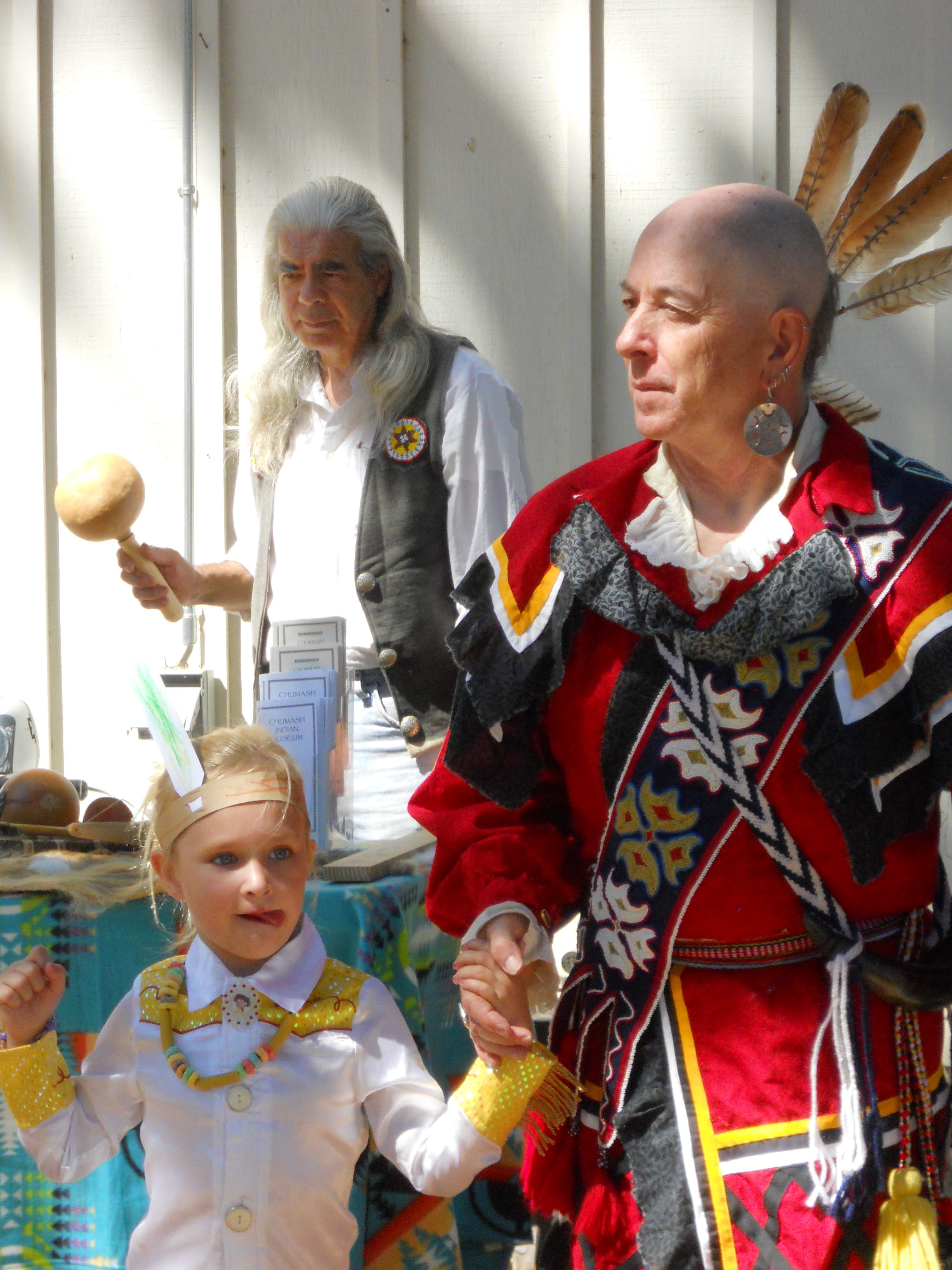


Roping cattle, hand-scrubbing laundry and feeding farm animals were daily chores for early area settlers, but these activities were all part of the fun and games for children at the Leonis Adobe Tuesday.
As part of its Lil' Ranchers Round Up summer program, the museum hosted the Native American-themed event. In part, the event was intended to dispel sterotypes about American Indians.
The children seemed to get the message. Skyler Naimi, 7, of West Hills visits the more than 150-year-old adobe weekly with her family. Before Tuesday's event, her perceptions about Native Americans came from some not-so-reliable sources.
Find out what's happening in Calabasasfor free with the latest updates from Patch.
"They're kind of different," Skyler said. "In 'Peter Pan' they're really really mean."
On Tuesday, she learned that the area's first human inhabitants were creative, "because they make a lot of stuff, like tools."
Find out what's happening in Calabasasfor free with the latest updates from Patch.
The event also featured some of the adobe's usual children's activities, like learning about the museum's percheron horses, goats, the ever popular long horns and other animals.
Children had a chance to practice throwing a lasso to rope a mock steer head, learn how the early residents cleaned laundry by hand and, by popular demand, make tortillas.
Alfredo Mazza who works with the Chumash Indian Museum in Thousand Oaks and was a special guest at the event, said educating children about the history of Indians in the area is one of his main goals.
Despite evidence of their presence, such as the Chumash names of the nearby communities Simi, Mugu, Hueneme, Lompoc and Anacapa, Mazza said their history is not well known. "A lot of kids think all Indians are dead, that we're in the past," said Mazza, whose tribal name is Panther. "We want people to know the Chumash are still very much alive."
The adobes had stations where children could make headbands and necklaces. Pasta and cereal stood in for beads and shells. Mazza brought traditional toys, tools, musical instruments and other cultural items that are still used by the Chumash people to share with children at Tuesday's event.
Some people believe all Native Americans live in teepees and speak the same language, Mazza said. However, the Chumash people lived in rounded willow houses called aps. Each tribe speaks a different language, and sometimes there are a number of dialects even within the same tribe.
"Boys are especially embarrassed when they make the wha-wha-wha sound and hit their mouth and I explain that noise was actually made by the females as a way to encourage the men," Mazza said. "I don't know where the hand thing comes from, though. We don't do that."
The Round Up program continues on Aug. 10 with a cooking themed program and a mystery day on Aug. 17. Programs run from 9:30 to 11:30 a.m. Admission is free for museum members. For nonmembers, admission is $4 for adults and $2 for children.