Politics & Government
Proposed DMV Robot Car Rules Prioritize Safety Feature Championed by Consumer Watchdogs
The draft regulation requires self-driving cars to have a steering wheel and pedals and have a licensed driver capable of taking control.


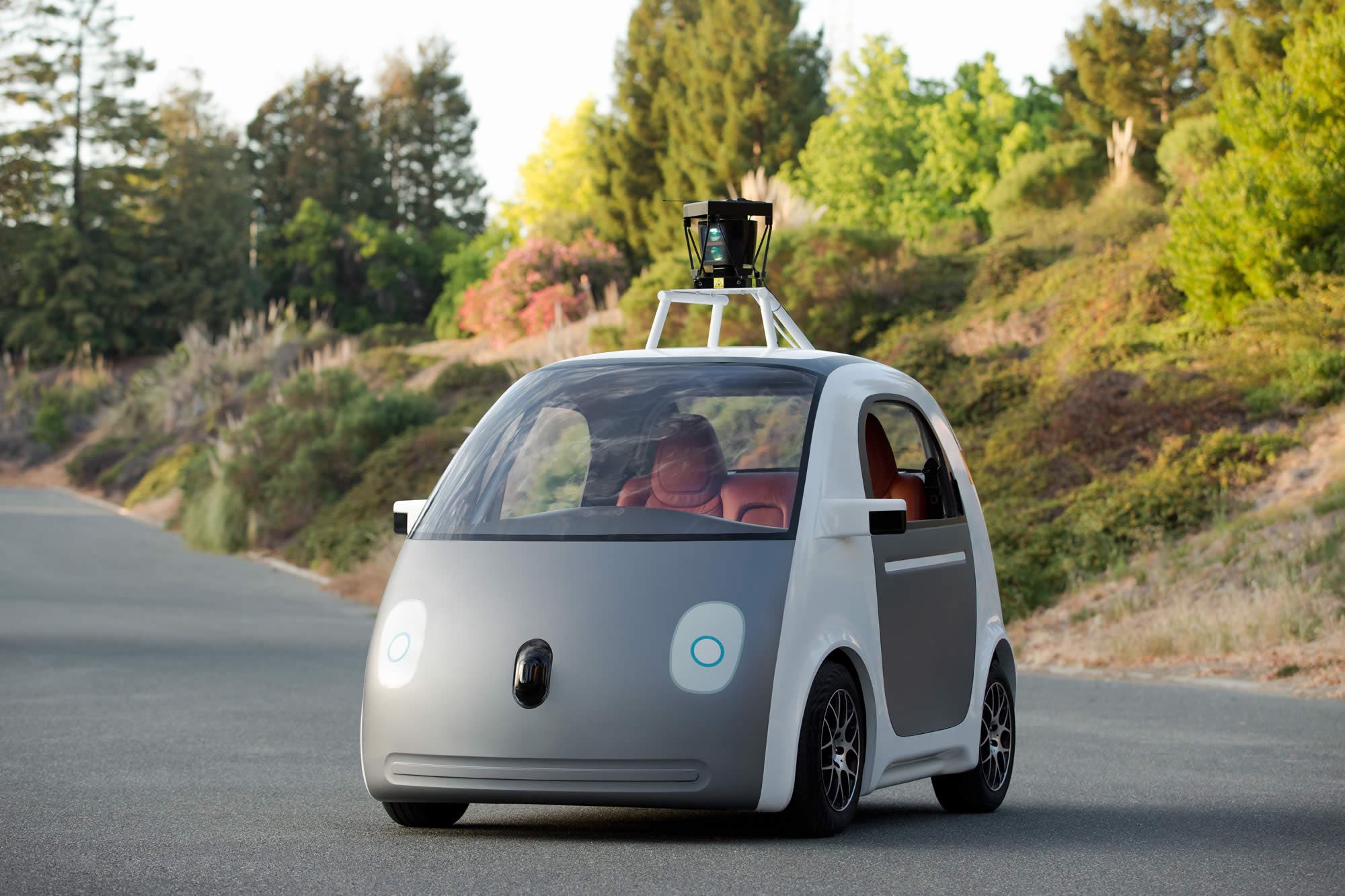
(Photo courtesy of Google)
Draft regulations covering self-driving robot cars issued Wednesday by the California Department of Motor Vehicles incorporate a key safety provision advocated by the Santa Monica-based Consumer Watchdog and require the robot cars to have a steering wheel and pedals and be occupied by a licensed driver capable of taking control of the vehicle.
The draft regulations also require a third-party testing organization to conduct a vehicle test to provide an independent performance verification of the vehicle. That is in addition to the manufacturer being required to certify the robot car meets safety and performance standards.
Find out what's happening in Calabasasfor free with the latest updates from Patch.
“Google may be in overdrive in its rush to develop robot cars, but the DMV has admirably served as traffic cop and proposed reasonable limits to protect public safety,” said John M. Simpson, Consumer Watchdog Privacy Project director.
The draft regulations also include important privacy and cybersecurity protections. Manufacturers must disclose to the operator if information is collected, other than the information needed to safely operate the vehicle. Manufacturers will be required to obtain approval to collect this additional information, the DMV said. Autonomous vehicles will be equipped with self-diagnostic capabilities that detect and respond to cyber-attacks or other unauthorized intrusions, alert the operator, and allow for an operator override.
Find out what's happening in Calabasasfor free with the latest updates from Patch.
“The privacy regulations are essential,” said Simpson. “Robot car technology should be about getting you from point A to B, not about collecting data on everything you did along the way for the company to use however it wants.”
The DMV draft rules also limit deployment of an approved robot car to three years and will require manufacturers to report monthly on the performance, safety, and usage of autonomous vehicles.
The DMV plans to hold two public workshops next year to discuss the draft regulations on Jan. 28 in Sacramento and on Feb. 2 in Los Angeles. After the workshops, DMV will propose formal regulations. With public hearings and the required approval process, the regulations probably won’t take effect for at least a year.
Currently, the DMV has regulations in effect that cover testing robot cars. Eleven companies have been approved to test robot cars on California’s highways. They are Volkswagen Group of America, Mercedes-Benz, Google, Delphi Automotive, Tesla Motors, Bosch, Nissan, Cruise Automation, BMW, Honda and Ford. Ford just announced it would begin testing a self-driving car in California starting in January.
Under the rules companies must file reports of any crashes involving the self-driving cars.
--News Release from Consumer Watchdogs
Get more local news delivered straight to your inbox. Sign up for free Patch newsletters and alerts.