Schools
Bay Laurel Science Fair Yields Results
The students explore such questions as what kind of chewing gum retains its flavor the longest, which fruits turn moldy the fastest and how tooth brushing affects bacteria.
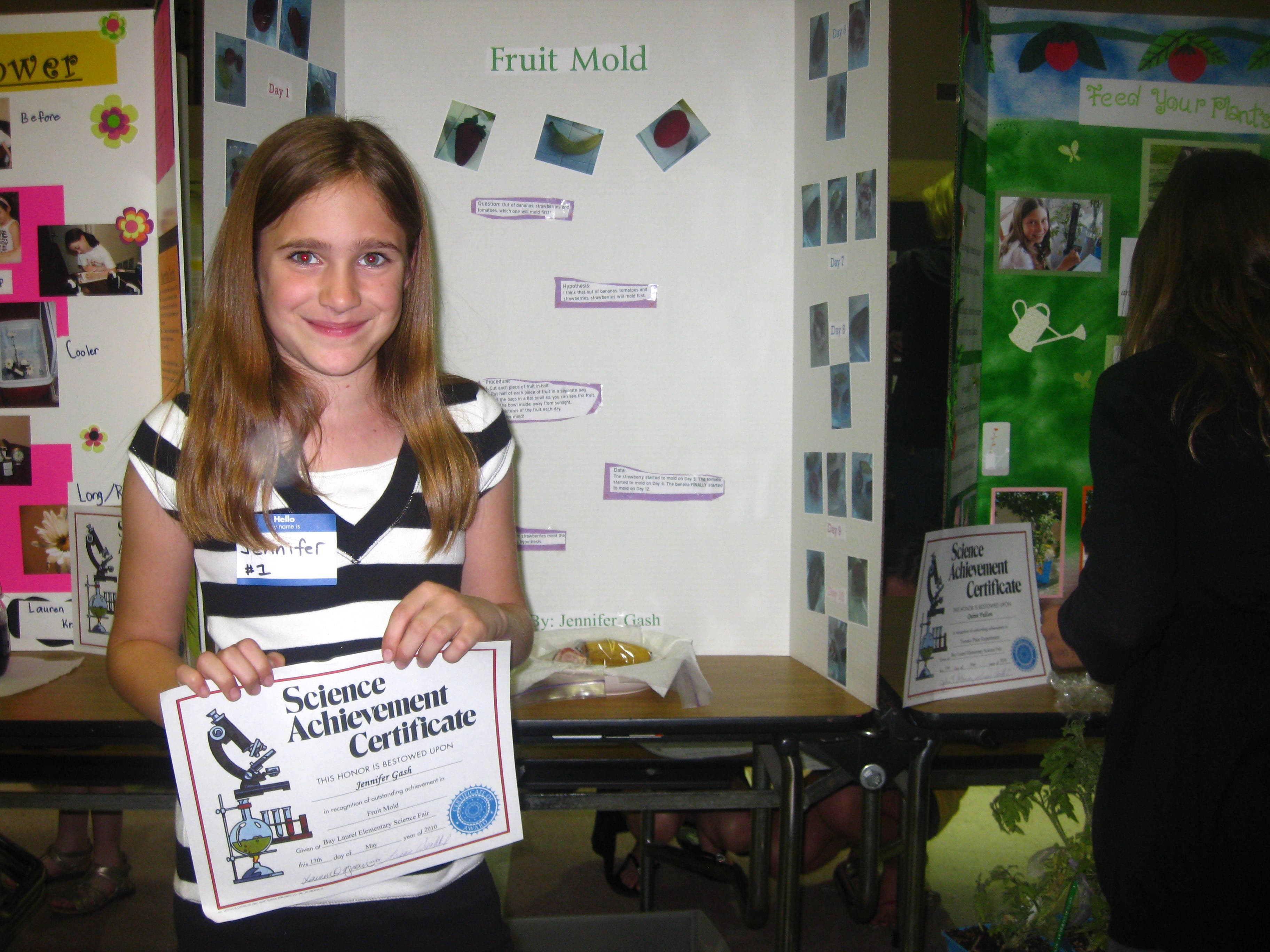


Bay Laurel Elementary School students discovered Thursday evening that science and fun can go hand-in-hand at the school's first ever science fair.
Student scientists ranging from kindergarten to fifth grade stood beaming beside vibrant project displays as volunteers from the school and community assessed and admired their concoctions.
Bay Laurel's multipurpose room was host to about 75 projects, with students exploring questions such as "Do Dogs See Color?", "Are Smiles Contagious?" and "What Formula Makes the Best Homemade Bubble Solution?"
Find out what's happening in Calabasasfor free with the latest updates from Patch.
Along with science fair staples such as soda bottle tornadoes and baking soda volcanoes, the students' projects addressed a wide range of unique topics.
Fourth-graders Maya Berdan and Danielle Rosoff conducted an experiment to determine what variety of chewing gum maintained its flavor for the longest period of time.
Find out what's happening in Calabasasfor free with the latest updates from Patch.
"We checked to see what type of gum would last longer—sugar or sugar-free," Berdan said. "It took us a few days, but we got to chew a lot of gum."
"Our hypothesis was that sugar-free gum would last longer, and it was true," Rosoff added.
Fourth-grader Jennifer Gash explored the molding process of various fruits.
"I picked tomatoes and bananas because they were almost opposite, because the water content is different," Gash said. "I thought it would be fun to see if this made them mold faster or slower. I found out that strawberries mold faster than both bananas and tomatoes, and can't be left out of the refrigerator for more than two days."
Sisters Lexi and Ariana Zadeh teamed up to tackle an investigation of the effects of tooth brushing on bacteria. Their father, Homa Zadeh, an associate professor of dentistry at USC, donated his time as a "senior scientist" judge for the event.
All student scientists, whose participation in the exhibition was by choice, received an achievement award for their hard work. School administrators and event organizers were pleasantly surprised by the level of student interest.
"We far exceeded my expectations," said Principal Susan Wachtel. "Both the kids and the parents are having a great time. This is the kind of activity that brings our community together and gets the kids thinking critically and scientifically. They find out that science is fun, instead of just something they have to look at in a book."
The event was proposed by Wachtel, who had been involved with similar programs as a teacher at White Oak Elementary School in Westlake Village.
Wachtel said she saw the need for a science fair at Bay Laurel.
Students and adult volunteers welcomed the idea with enthusiasm. Many of them now hope the fair will become an annual event.
"It's so important for kids to be involved in the critical thinking, science and math areas of learning, and I thought we should give it a shot here," Wachtel said. "The parent volunteers I spoke with took it over with gusto, and it's wildly, wildly successful."
Wachtel was pleased that the event gave students a chance to share their scientific knowledge with parents and peers.
"The best part is seeing the look of accomplishment and joy that the kids have on their faces," Wachtel said. "It's often hard for kids to get up there and tell you about something they've done, but these kids are all very excited about what they are doing."