Politics & Government
Plastic Bags Could Be Banned in Santa Cruz County
The Supreme Court ruled that no environmental studies are necessary to ban take-out bags.
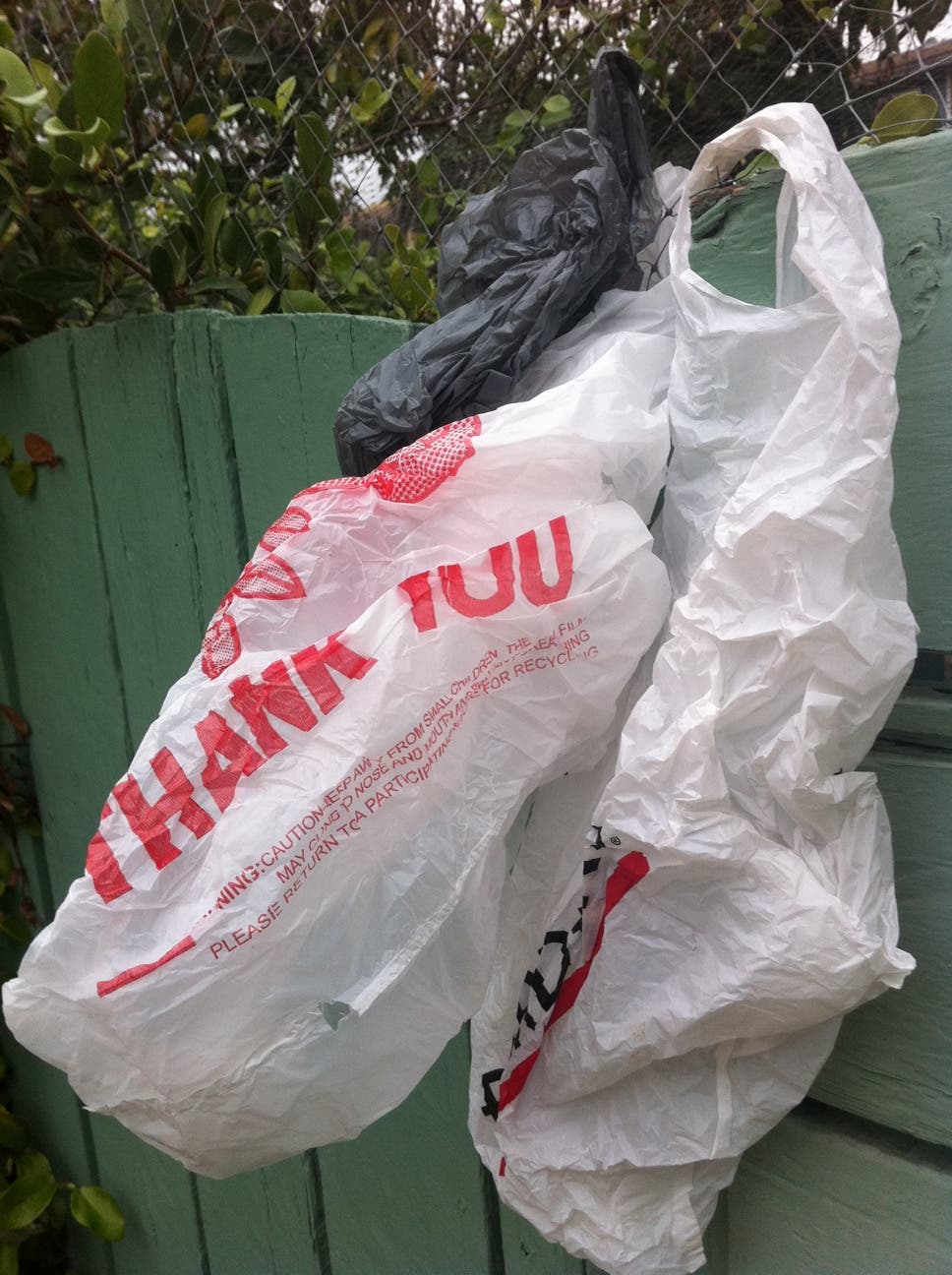
The Supreme Court unanimously cleared the road for bans on plastic carry-out bags throughout California Thursday morning, ruling that “substantial evidence and common sense" was enough to determine that no environmental impact reports would be necessary to move forward.
The Santa Cruz County Board of Supervisors, led by Supervisor Mark Stone, has long planned a ban on plastic bags. A group called the Save The Plastic Bag Coalition, however, sued the city of Manhattan Beach for passing a ban without performing an environmental impact report (EIR), stopping the Santa Cruz County Board Of Supervisors in its tracks.
The supervisors let their proposal sit dormant for almost two years while they waited out the case—and paid for an EIR of their own.
Find out what's happening in Capitola-Soquelfor free with the latest updates from Patch.
Supervisor John Leopold said the board approved a ban “in concept,” but couldn't afford to fight the plastic bag coalition, funded mostly by plastic bag manufacturers..
“We paid for an environmental impact review [last year],” Leopold told Patch. "We put aside $100,000 to do the EIR. We realized we needed to do that to protect ourselves against being caught in [an expensive legal battle].”
Find out what's happening in Capitola-Soquelfor free with the latest updates from Patch.
The county will still likely wait for the report to be completed before going ahead with a ban. They expect to see the full report in early fall. A county official who declined to be named said that armed with the ruling and an EIR, it will be very difficult for opponents to challenge a ban.
The original 2009 proposal aimed to ban restaurants and stores from giving plastic bags for takeout food or at the cash register. This did not include plastic bags in the produce department or any type of garbage or sandwich bags.
The law also throws a bone to the coalition's argument that paper bag usage will increase dramatically. It proposes a 10¢ fee for paper bags at grocery stores and other selected retailers. This is exactly the type of legislation for which activist group Environment California has been fighting.
“We don't want to get into the debate over whether paper is better than plastic,” said Environment California Legislative Analyst Dan Jacobson. “We are taking the position that we want people to bring their own [bag to the store].”
People receiving low-income assistance such as food stamps are exempt from paper bag fees.
More than two-dozen businesses have voiced their support for the plastic bag ban through the Central Coast Sanctuary Alliance, which includes Save Our Shores and Surfrider Monterey. The list of supportive businesses includes several grocery stores and restaurants, the two biggest distributors of plastic bags.
“Any product that is only used once and can't be recycled is not worth buying,” said Luiza Caroli, who runs marketing and PR for Laili Restaurant in Santa Cruz. “We saw how sea life was being affected and we want to create harmony with all creatures.”
According to Allison Kolb, director of Environment California in Santa Cruz, the group will meet with the supervisors when they return from summer recess to keep pushing the issue until a law passes.
The cities of Capitola, Watsonville and Scotts Valley are likely to follow the county soon after there's a final proposal.