$1 million contribution to National Medical Fellowships to educate and train minority physicians and educators.
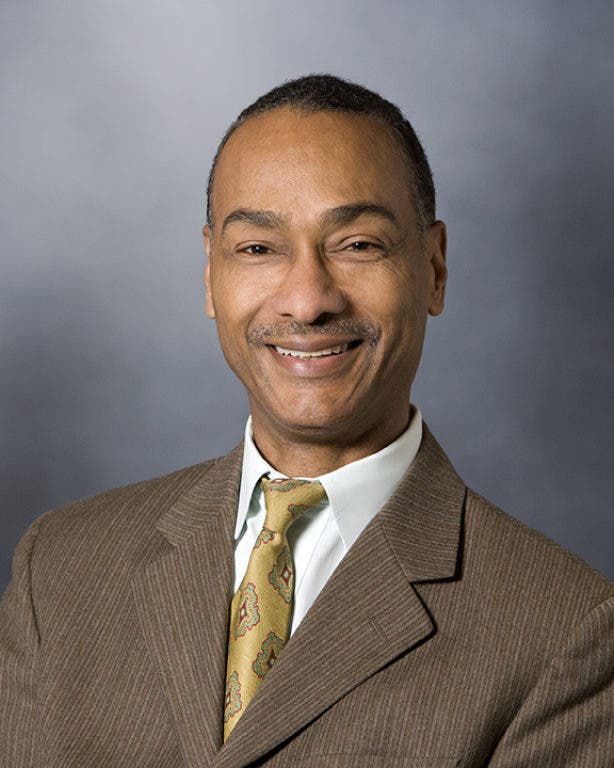
When Calvin Wheeler, MD, was in medical school at the University of California, Irvine in the 1970s, his class of 93 students had seven African-Americans and seven Latinos. That was a significant number of minority students studying to become physicians then, said Dr. Wheeler, a pediatric neurologist and expert on epilepsy who is the physician in chief at the Kaiser Permanente Fremont Medical Center.
But as more patients from underserved populations start to enter the country’s health-care system through health-care reform, there will be a greater need to have more African-American and Latino physicians to provide quality health care, he said.
Find out what's happening in Castro Valleyfor free with the latest updates from Patch.
Kaiser Permanente recently took one big step to address the shortage of physicians by expanding its relationship with National Medical Fellowships. The national non-profit was founded in 1946 with a mission to improve the health of low-income and minority communities by increasing the number of minority physicians and educators.
Kaiser Permanente recently contributed $1 million to NMF to support medical students through education and training programs.
Find out what's happening in Castro Valleyfor free with the latest updates from Patch.
To effectively treat increasingly diverse populations, it’s important to have multilingual doctors and other caregivers who are aware of the cultural practices and customs in those communities, and who are attuned to any special medical or health-care needs they may have.
“Kaiser Permanente understands the importance of having a health-care workforce that will reflect the diversity of our ever-evolving population,” said Yvette Radford, a member of the NMF board and vice president for the region’s External and Community Affairs. “We recognize that there are insufficient numbers of African-American and Latino medical students, and our support for NMF is one way to help address this important issue.”
Kaiser Permanente has a long-standing relationship with NMF. Dr. Wheeler is among scores of Kaiser Permanente physicians in Northern California and regions across the country who are alumni of NMF programs. In the coming years, the goal is to tap alumni physicians to help build the future generation of minority physicians.
Dr. Wheeler said the NMF scholarship he received as a medical student provided critical financial help and introduced him to a community of mentors, teachers, and students who shared his commitment to medicine and increasing the diversity of physicians in health care.
He worked part-time as a licensed pharmacist, took out student loans, and cobbled together scholarships where they were available to pay for medical school.
“Back then, money was very tight,” said Dr. Wheeler, who has been a Kaiser Permanente physician for 28 years and is a founding member of Kaiser Permanente African American Professionals Association. “Every $100 was a help, and the NMF scholarship allowed me to continue and finish medical school with a reduced student debt.”
“The work and help that the NMF provides is absolutely critical,” Dr. Wheeler added. “Through its programs, it provides help to students in need and encouragement so we have more doctors.”
According to U.S. Census data and the American Medical Association Physician Masterfile, African-Americans represent 14 percent of the U.S. population and only 4 percent of physicians. Latinos represent 16 percent of the population and 5 percent of physicians.
“Every time a member walks through the door, we want them to feel that they are being heard and cared for by someone who understands,” said Frank Meza, MD, a family medicine and physician ambassador at the KP Los Angeles Medical Center and a 2007 recipient of the NMF Distinguished Alumni Award. “Whether they see a Latina surgeon, an African-American cardiologist who is fluent in Spanish, or their trusted family physician, we provide them culturally responsive care and the highest quality of care in the language the member prefers and with respect for their culture at every point of contact.”