Community Corner
Death Cap, Western Destroying Angel Mushrooms Sprout
These mushrooms can be fatal to you or your pets. They grow in Castro Valley's East Bay Regional Parks.

CASTRO VALLEY, CA — Castro Valley's rainy season got off to a soggy start when an atmospheric river flowed through in October. By the end of December, the National Weather Service reported that California had already recorded more rainfall than during last year's entire water year from Oct. 1, 2020 to Sept. 30, 2021.
That early moisture has already begun to ease the drought, with the U.S. Drought Monitor moving us out of the exceptional drought category.
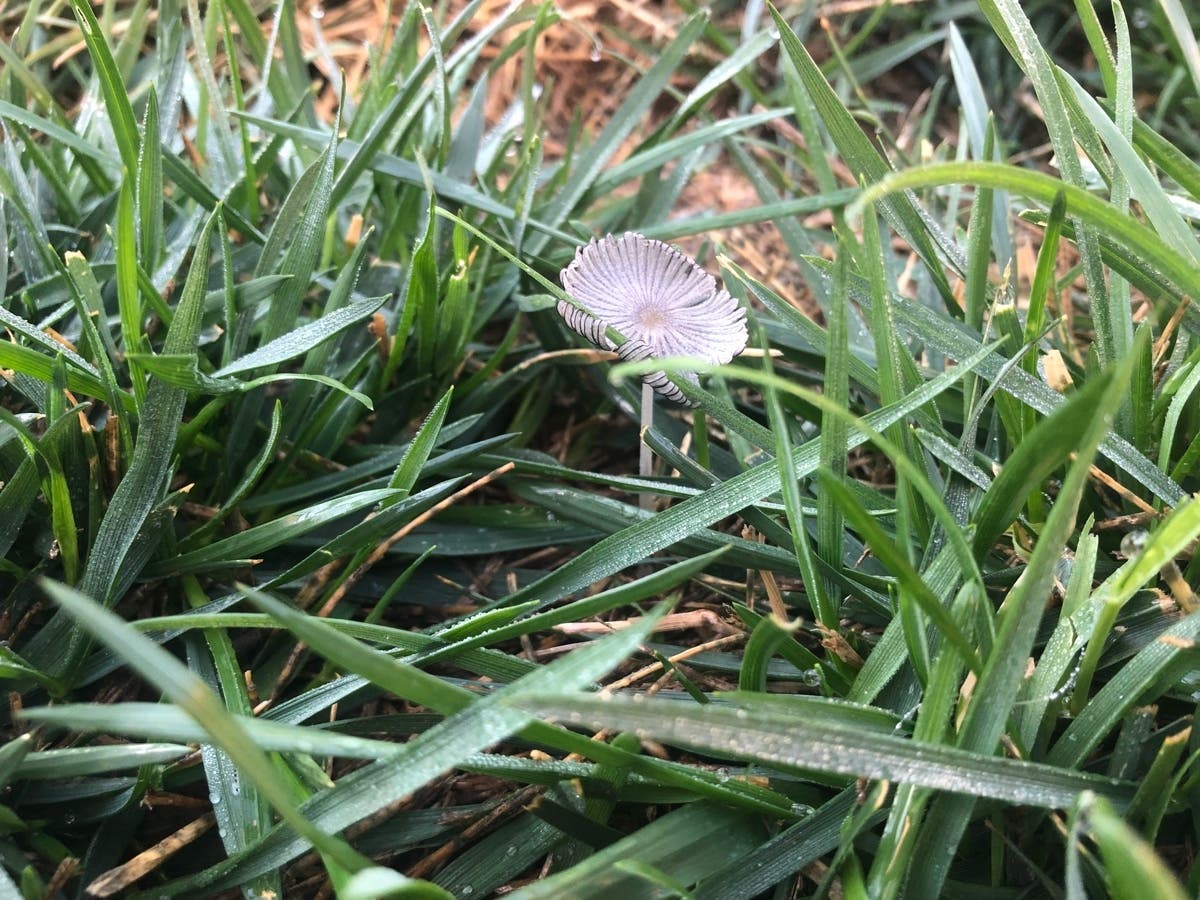
While the saturated ground is superb for improved water storage and an easing of fire danger, it also caused wild mushrooms to sprout everywhere from suburban yards to East Bay Regional Parks.
Find out what's happening in Castro Valleyfor free with the latest updates from Patch.
Among the mushrooms are the deadly death cap and Western destroying angel mushrooms.
"The death cap and Western destroying angel mushrooms contain amatoxins," according to a news release from the park district, "molecules that are deadly to many animals if consumed. Symptoms may not appear until up to 12 hours after consumption, beginning as severe gastrointestinal distress and progressing to liver and kidney failure if treatment is not sought immediately."
Find out what's happening in Castro Valleyfor free with the latest updates from Patch.
It's not wise to forage for wild mushrooms. And if your dog or small child is along on an outing, keep a close watch on them when you are near oak trees.
"Both of these mushrooms are mainly associated with oak trees and can be found growing anywhere oak roots are present,”said East Bay Regional Park District Naturalist Trent Pearce. "They can also be lethal to humans and pets if consumed."
The death cap is a medium to large mushroom that typically has a greenish-gray cap, white gills, a white ring around the stem, and a large white sac at the base of the stem. Although the death cap is mainly associated with oak trees, it has been found growing with other hardwoods.
The Western destroying angel is a medium to large mushroom that usually has a creamy white cap, white gills, a white ring around the stem that can disappear with age, and a thin white sac at the base. It is associated exclusively with oaks.
"The best way to stay safe is to learn to recognize our poisonous mushroom species," Pearce said. "Collecting mushrooms in East Bay Regional Parks is prohibited, but we encourage people to take photos of them and enjoy them like you would wildflowers or birds."
While the death cap and western destroying angel mushrooms are responsible for most cases of mushroom poisonings in California, deadly toxins can also be found in Galerina and Lepiota mushroom species, which also occur in the Bay Area.
See photos of the toxic mushrooms on the East Bay Regional Park website.
The 2022 Tilden Fungus Fair will be held in-person from 10 a.m. to 4 p.m. Jan. 29-30 at the Tilden Nature Area’s Environmental Education Center. Presentations and workshops will also be streamed live on YouTube and Instagram. The event is free, no registration is required.
Regional Parks near Castro Valley include:
- Anthony Chabot Regional Park
- Cull Canyon Regional Recreation Area
- Five Canyons Open Space
- Lake Chabot Regional Park
See the latest U.S. Drought Monitor map.
Get more local news delivered straight to your inbox. Sign up for free Patch newsletters and alerts.