Health & Fitness
Pesticide-Tainted Nopales Removed From Grocery Stores
Symptoms of pesticide poisoning include sweating, headache, weakness, nausea, vomiting, hypersalivation, abdominal cramps, and diarrhea.

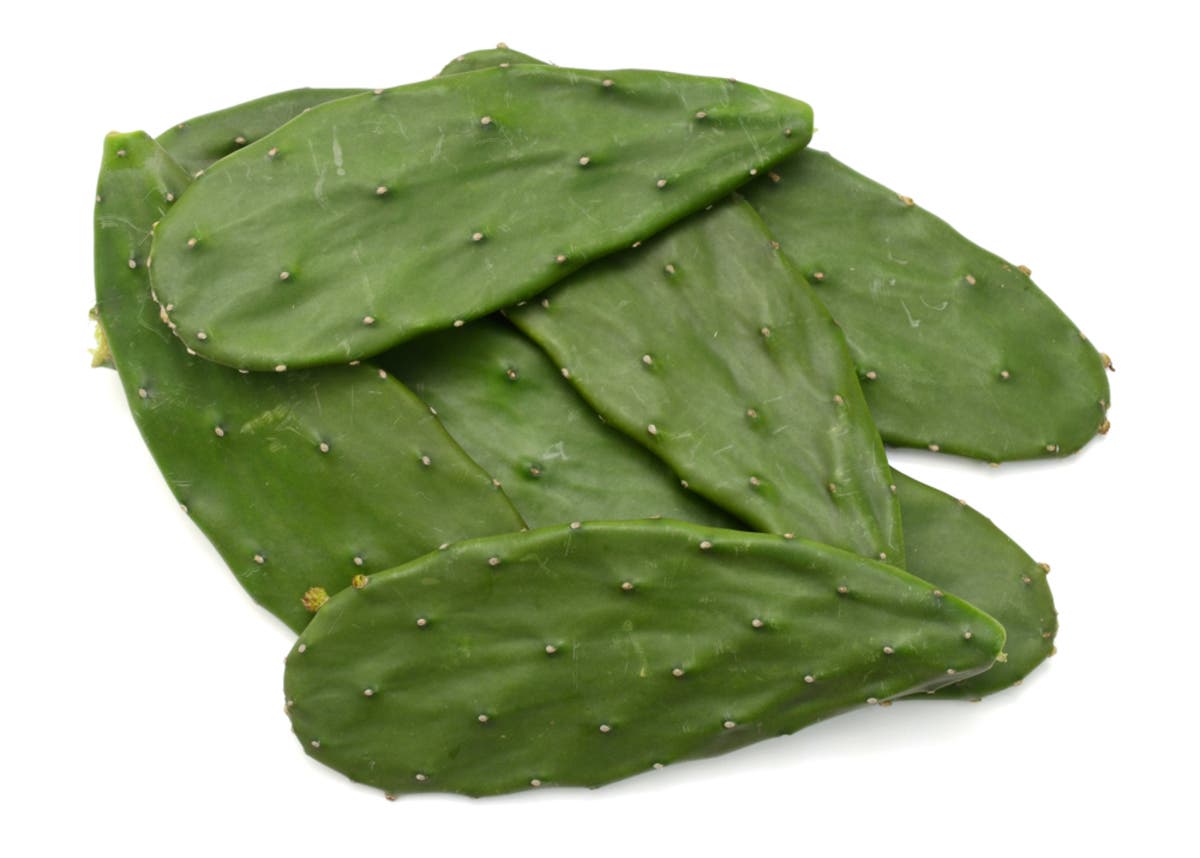
CALIFORNIA — Cactus pads, or nopales, imported from Mexico and sold in California have been found to be tainted with pesticides, according to the California Department of Public Health (CDPH).
"Anyone feeling ill after consuming cactus products should consult their health care provider," said CDPH Director and State Health Officer Dr. Karen Smith. "The symptoms of acute poisoning may include sweating, headache, weakness, nausea, vomiting, hypersalivation, abdominal cramps, and diarrhea. Consumption of monocrotophos can lead to neurotoxicity and permanent nerve damage."
The warning was issued Wednesday after the CDPH and the California Department of Pesticide Regulation confirmed the existence of the pesticides during routine testing. The pesticides include dimethoate, omethoate, monocrotophos and methidathion, at levels that pose a health risk to humans. Two of the pesticides, monocrotophos and methidathion, have been banned for food use in the United States for years.
Find out what's happening in Castro Valleyfor free with the latest updates from Patch.
The samples were taken Jan. 23-29 at the following locations:
- Rancho San Miguel Markets, Madera
- La Monarca Market, Lower Lake
- FreshPoint Central California, Turlock
- Arteaga's Food Center, Sacramento
- Stater Bros. Distribution Center, San Bernardino
- S&L Wholesale Produce, San Francisco
Since food distribution centers were involved in the sampling, the state agencies believe the nopales were sold to stores in California, Nevada and Oregon. The tainted produce was packaged with the brand names "Mexpogroup Fresh Produce," "Aramburo," or "Los Tres Huastecos."
Find out what's happening in Castro Valleyfor free with the latest updates from Patch.
Washing or peeling the cactus is not effective and people should not try to salvage any of this contaminated produce. Throw it away or return it to the market where you purchased it for a refund.
"Many Californians eat cactus as part of their diet, but the pesticide levels we have found at some specific locations are concerning," said Brian Leahy, DPR director. "We are not aware of any illnesses that have been reported to date, but we suggest that anyone who bought this product from these locations recently, return it to the place of purchase or dispose of it in the garbage."
The U.S. Food and Drug Administration has been alerted about the tainted nopales.
-Image via Shutterstock
Get more local news delivered straight to your inbox. Sign up for free Patch newsletters and alerts.