Neighbor News
Sense of Touch Linked to Memories: Local Families Making Memory Boxes to Help Their Loved Ones Remember
One Of Many Free Tools Provided for Local Families and Those Living with Alzheimer's

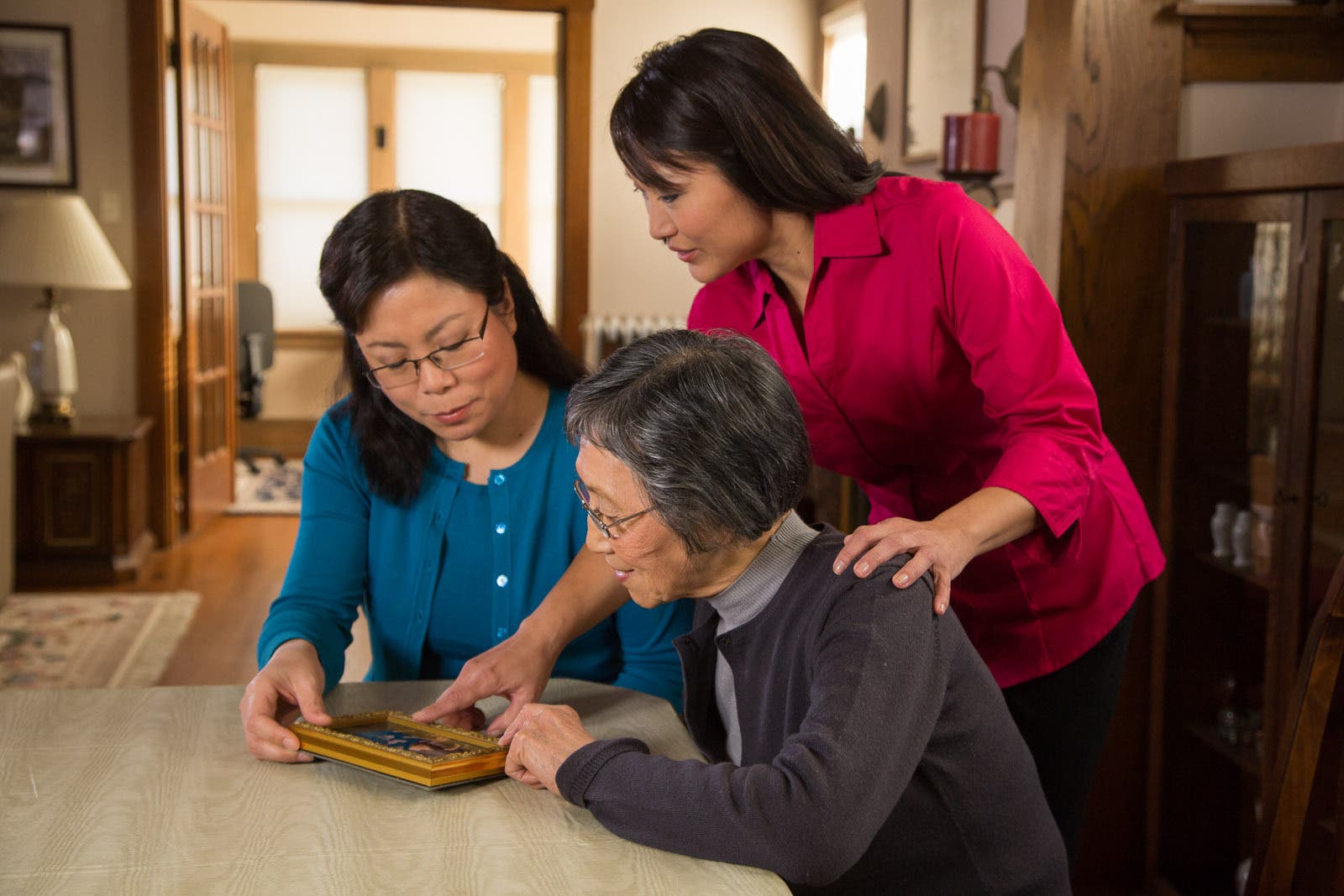
LONG BEACH, Calif. – November 4, 2014 – People with Alzheimer’s or related dementias experience problems with memory and thinking. Since they cannot store new information efficiently, they use past experiences to make sense of the present. Therefore, Home Instead Senior Care® is inviting Long Beach and Seal Beach families and friends of loved ones living with Alzheimer’s to share the gift of memory, by creating a Memory Box with their loved one that tells the story of their past experiences.
This is just one innovative tool to help capture and stimulate the memories of loved ones living with the disease.
Research has shown that talking with people with Alzheimer’s disease or other dementias about their lives can create positive emotional experiences, reduce stress and provide a better quality of life. A memory box is a tool that can help stimulate memory as loved ones get older.
Find out what's happening in Cerritos-Artesiafor free with the latest updates from Patch.
“For those struggling with Alzheimer’s or a related dementia, smell, touch, taste and sound can be a powerful memory trigger,” says Debbie Teofilo, Home Instead Senior Care serving Long Beach and Seal Beach. “Something as simple as the feel of an old baseball glove, the familiar texture of seashells collected on vacation or childhood photos are the types of items that hold classic memories. A Memory Box containing these meaningful memory joggers can be a source of pleasure and encouragement for a loved one as they make the journey into old age.”
Here are a few tips on how to construct a Memory Box:
Find out what's happening in Cerritos-Artesiafor free with the latest updates from Patch.
- It needs to be strong, robust and easy to store. A box 12 inches by 9 inches is ideal.
- Each item should hold memory that can be revisited time and time again. Be aware that some items may open the door to unhappy memories.
- Remember that experiences memorized by the brain are not just visual! Photos, diaries, letters and the like may be invaluable reminders.
- Look to include items that can not only be touched but also heard and smelled.
- It is important to label photos and other items clearly and sometimes it’s helpful to include a note that explains why certain objects have been included.
Memory Boxes can also help many seniors who struggle with hoarding, as they can find a way to save a small piece of those items they have avoided letting go of because of an emotional attachment.
The Memory Box is one of the many tools and ideas Home Instead recommends for families caring for a loved one with Alzheimer’s or a related dementia. Other useful and free tools available through Home Instead include:
- Companion App for real-time on-the-go dementia care advice available for download on Google Play and iTunes
- Live online chats with Alzheimer’s Experts accessed through the website www.helpforalzheimersfamilies.com
- Family caregiver Alzheimer’s training workshops available at franchise locations across the United States
- Confidence to Care, the new Dementia Care Guidebook for the Family Caregiver available for purchase through www.Amazon.com
“Until we have a cure, we need to do everything we can to ensure caregivers and their families have the best support possible to help manage this devastating disease,” said Teofilo.
For more information on Home Instead and their available Alzheimer’s care resources, visit HelpForAlzheimersFamilies.com or call (562) 596-4884.
ABOUT HOME INSTEAD SENIOR CARE
Founded in 1994 in Omaha, Nebraska, by Lori and Paul Hogan, the Home Instead Senior Care® network provides personalized care, support and education to help enhance the lives of aging adults and their families. Today, this network is the world’s leading provider of non-medical in-home care services for seniors, with more than 1,000 independently owned and operated franchises that are estimated to annually provide more than 50 million hours of care throughout the United States and 17 other countries. Local Home Instead Senior Care offices employ approximately 65,000 CAREGiversSM worldwide who provide basic support services that enable seniors to live safely and comfortably in their own homes for as long as possible. The Home Instead Senior Care network strives to partner with each client and his or her family members to help meet that individual’s needs. Services span the care continuum from providing companionship and personal care to specialized Alzheimer’s care and hospice support. Also available are family caregiver education and support resources. At Home Instead Senior Care, it’s relationship before task, while striving to provide superior quality service.