Anyone who has ever had a massage knows what a wonderful experience it is. Dimly lit room, some soft music, maybe the sound of water flowing over a table fountain in the corner of the room. Warm, gentle hands slowly glide over sore muscles and stress points, you close your eyes and….relax. Not so long ago, massage used to be considered an expensive luxury. Now, there is a day spa on every corner offering affordable massage for everyone. People are becoming much more aware of the health benefits of massage and are incorporating it into their own life.
For all you pet lovers, did you ever stop to think how your dog might also benefit from massage? I can hear some of you giggling right now, picturing your dog sprawled out on a massage table with a masseuse rubbing hot oil into his fur. No, it’s really not like that. However, massage really can benefit any dog in a myriad of ways.
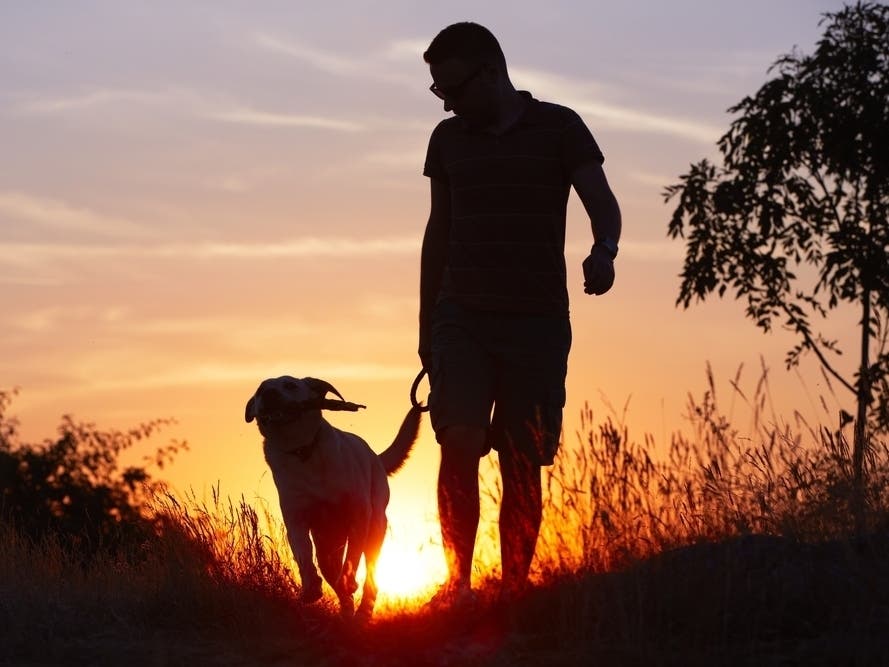
Do you jog with your best friend? Hike along mountain trails? Your muscles can get pretty sore after both, right? Cool-down stretches and hot showers can provide some immediate relief. Did you ever wonder about your dog’s sore muscles after a long run? What about those canine athletes in agility training, or the frisbee dogs who use every muscle in their body when they jump to catch a frisbee in their teeth?
Find out what's happening in Claremont-La Vernefor free with the latest updates from Patch.
But what of our friends who are not world-class athletes? How about our canine family members who are getting older and suffering from arthritis, as many seniors do? Or those with genetic defects like hip or elbow dysplasia or subluxating patellas that tend to get worse with age? Or dogs recuperating from surgery who are not able to exercise for a few weeks?
There are different types of massage for dogs. There is a relaxation massage which can calm and de-stress and produce a reduction in behavior issues related to anxiety. This is wonderful for dogs in transition – those who are newly adopted and still adapting to new homes. Some of these dogs have spent a long time in rescue facilities and landed there because of who-knows-what type of trauma. There is maintenance massage which can benefit any dog with its immune-enhancing properties. It increases circulation and helps to reduce pain, prevent muscle atrophy, enhance waste and toxin elimination, and increase flexibility. And of course, there is sports massage for the athletes, which can do all of that as well as improve athletic performance and range of motion, and provide faster healing of muscle injuries.
Find out what's happening in Claremont-La Vernefor free with the latest updates from Patch.
Lest you think I am being biased, let me tell you also of some other therapies that work wonders for dogs that you may not have considered. Acupuncture is my favorite. When my 13-lb chihuahua mix jumped off the bed and hurt his back many years ago, I found a veterinarian who was licensed in veterinary acupuncture. The day after his first session, he was running around like a puppy. If I hadn’t seen it myself, I would never have believed it. Since that time, I have taken several of my dogs for acupuncture to treat skin allergies, seizures, digestive issues and anxiety. I have gotten acupuncture myself for the last 13 years, so I have first-hand experience – acupuncture works.
Canine aquatic therapy works wonders for aging dogs or those recuperating from injury. It provides aerobic exercise with non-weight-bearing activity, increases circulation, and can be beneficial for relief of pain and swelling.
Veterinary chiropractors are difficult to find, unfortunately, but not impossible. Chiropractors in the equine community are quite popular, but it is not as common in the canine world. Chiropractic manipulation can be very beneficial for dogs in certain instances. If your dog suffers a back injury and surgery is recommended, I would certainly consult a veterinary chiropractor first, if there is time to do so. There are many stories about surgery being avoided due to the effects of chiropractic treatments. My caveat? Make sure the veterinarian you consult is certified in veterinary chiropractic.
It is important to understand that none of the therapies listed above are a substitute for standard veterinary care. They should all be utilized with your veterinarian’s knowledge and in conjunction with traditional veterinary healthcare.
As I drive through my hometown of Claremont, I see so many people walking their dogs each day. It warms my heart to know that I live in a town where people value their pets and treat them well. However, there are many times I see someone walking ahead of a dog who is obviously having trouble keeping up, or whose gait tells me there are joint or muscle problems, and the owner is completely unaware. Don’t forget to consider things occasionally from your dog’s point of view. It will open up a whole new world!