Schools
University Of La Verne's Physician Assistant Program Holds White Coat Ceremony
The university's white coat ceremony saw 27 students move onto the next stage of their training in the medical field.

Alexandra Clayton
December 13, 2021
Find out what's happening in Claremont-La Vernefor free with the latest updates from Patch.
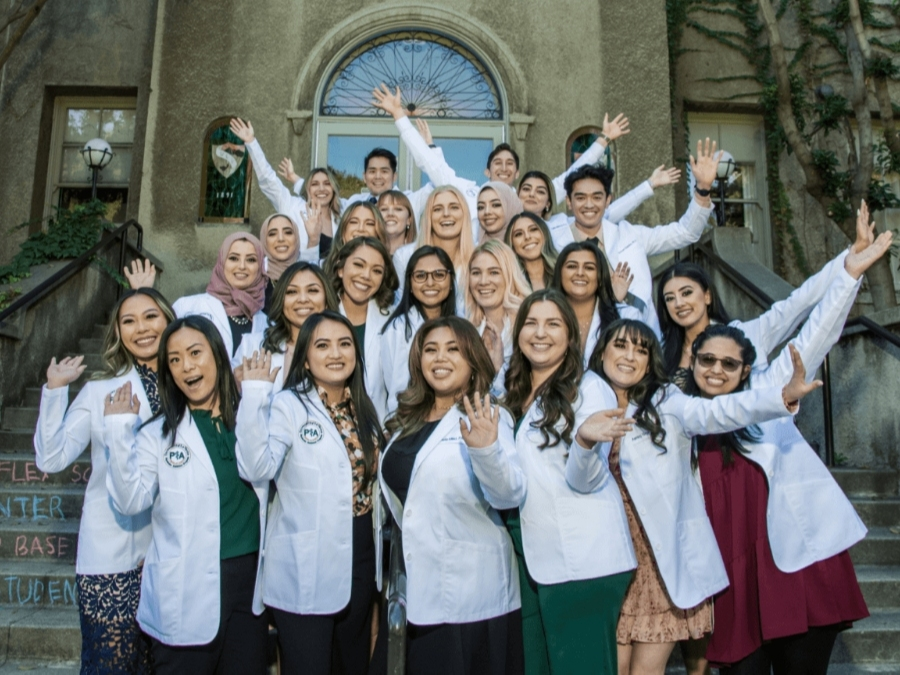
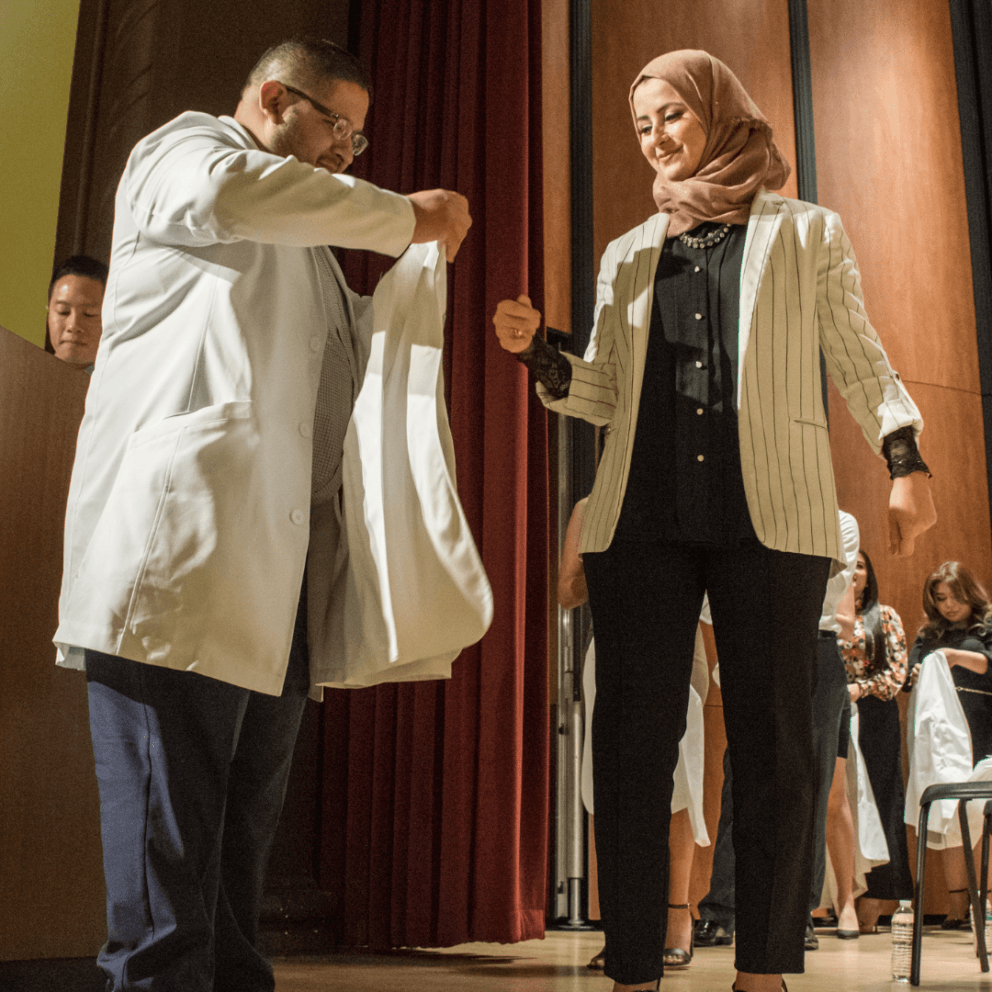
Students enrolled in the University of La Verne’s Master of Science in Physician Assistant (PA) Practice program marked their coming transition from classroom to clinical education in a White Coat ceremony held December 11 in the Ann and Steve Morgan Auditorium on campus.
The group of 27 students completed their 15 months of classroom education in the PA program this month and will transition in January into clinical rotations for their final year of training. To celebrate this milestone, students received their white coats during the ceremony, which is a rite of passage within the medical field.
Find out what's happening in Claremont-La Vernefor free with the latest updates from Patch.
The traditional ceremony welcomes students to the practice of health care and emphasizes compassion in combination with scientific excellence as they continue to advance as healthcare professionals. The most important element of the ceremony is the oath that students take acknowledging the central obligation of caring for patients.
In the final year of the program, students will complete nine clinical rotations in different medical specialties. This is the third cohort of students in the University of La Verne’s PA program.
Photos by Jeanine Hill
This press release was produced by the University of La Verne. The views expressed here are the author’s own.