Politics & Government
Meet Concord City Council Candidate Don Seta
Don Seta discusses affordability, rights, and safety in the Concord City Council District 3 race.


CONCORD, CA — Patch reached out to all the candidates for Concord City Council.
Four candidates are running for Concord City Council District 3.
We sent out questionnaires and reprinted their answers verbatim. Below, read the responses of Don Seta, a candidate for a seat representing District 3 on the Concord City Council.
Find out what's happening in Concordfor free with the latest updates from Patch.
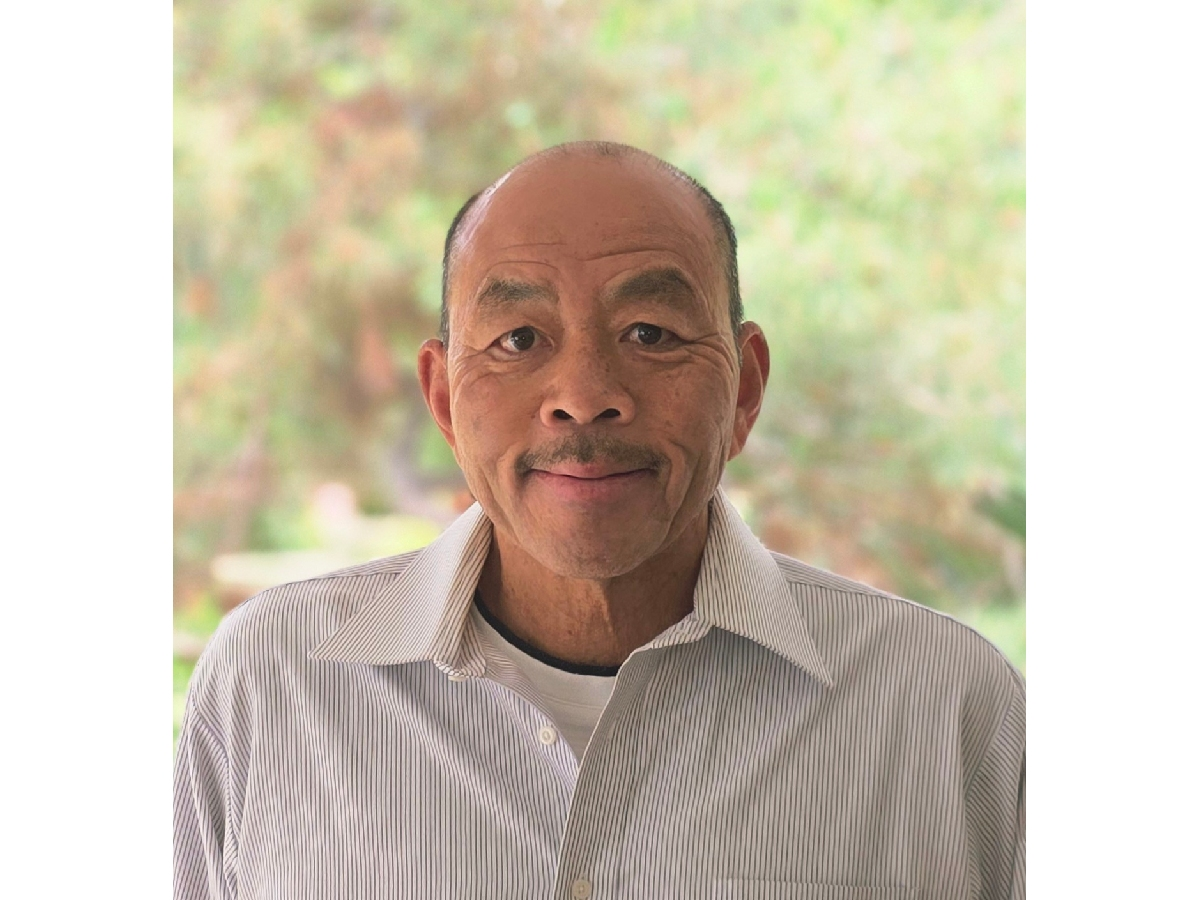
Don Seta, 69, is running for a seat representing District 3 on the Concord City Council. In the questionnaire, Seta identified the cost of living and community concerns about immigration enforcement as priorities.
What is your educational background?
Find out what's happening in Concordfor free with the latest updates from Patch.
Educational Background:
• Doctorate in Business Admin, D.B.A. in Finance – Alliant International University, San Diego (2013)
• M.S. in Systems Management – University of Southern California (1983)
• B.S. in Electrical Engineering & Computer Science – UC Berkeley (1979)
• High School Diploma – Ygnacio Valley High School (1975)
What is your professional background?
Don Seta brings 40+ years of technical leadership across industry, military, and community service. He was an engineer at Fairchild Semiconductor; he managed Air Force space systems, served in defense intelligence, and commanded a detachment in Tokyo. He served as Deputy Chief of International Programs (GS-13) until 2023. Today, Don serves as Vice Chair of Contra Costa’s Measure X Advisory Board and holds leadership roles across local civic, veteran, and historical boards.
Have you ever held public office, whether appointive or elective?
While I have not held elective public office, I bring extensive appointive and advisory experience in public governance. I was elected by the Measure X Community Advisory Board to serve as Vice Chair, advising Contra Costa County Supervisors on spending for public safety, health, and social services. I have been appointed to serve as a Commissioner on the California Aerospace Commission for the American Legion. Additionally, I hold leadership roles on civic boards, bringing strong administrative stewardship to District 3—all positions to which I was elected by the membership.
What are the top three issues facing your district right now?
- Broad Cost-of-Living Affordability: Families and seniors face mounting pressures across all essentials, from surging electric, gasoline, water rates to rising insurance premiums. City governance must advocate to promote efficiency programs, and keep municipal fees low to relieve everyday financial burdens for Concord residents.
- ICE Concerns & Community Trust: Heightened anxiety regarding ICE enforcement creates fear and undermines local safety. Beyond clear non-cooperation policies, Concord should support neighborhood initiatives like Community Immigration Protection Networks to safeguard residents' legal rights, inform families, and build trust across all communities.
- Neighborhood traffic safety requires urgent attention, even as the city faces a budget deficit. We must still find practical, cost‑effective ways to improve traffic‑calming and ensure safer pedestrian and bike crossings near schools, parks, and busy corridors.
What is one specific policy you would implement in your first 100 days?
In my first 100 days, I will introduce a resolution to establish a City-Supported Community Legal & Rights Protection Policy. This initiative will partner Concord with local legal aid organizations, county resources, and grassroots Community Immigration Protection Network to ensure all residents understand their legal rights and have access to reliable guidance.
We need to target partnerships and build trust and municipal stability. Concord’s safety depends on every family feeling secure when calling emergency services, enrolling children in school, or reporting local crime.
To implement this without straining Concord’s general fund during budget deficits, the policy focuses on three actionable, cost-effective components:
1. Know-Your-Rights Pipeline: Partner with established Contra Costa legal nonprofits to provide multi-lingual legal resource guides and hotlines for residents. It supplements the existing county hotline, called Stand Together Contra Costa.
2. Community Network Engagement: Formalize a liaison channel between city staff, neighborhood leaders, and legal advocates to coordinate clear communication and protect resident rights.
3. Public Safety Clarity: Reaffirm clear municipal guidelines ensuring local police resources remain dedicated strictly to local crime prevention rather than federal immigration enforcement.
This policy delivers immediate, practical protections that safeguard civil rights, relieve neighborhood anxiety, and strengthen trust between residents and city government.
What is your plan to enact this plan and how would you measure success after one year?
To enact the City-Supported Community Legal & Rights Protection Policy, I would execute a three-phase action plan leveraging my experience in program management and board governance: 1. Immediate Enactment (Days 1–30): Introduce and pass a City Council resolution establishing the framework. Form a working group of city staff, legal aid organizations, and leaders from local Community Immigration Protection Networks to define key protocols. 2. Partnership & Outreach (Days 31–60): Formalize procedures between city resources and with Contra Costa legal nonprofits and county resources to establish multi-lingual "Know-Your-Rights" pipelines and confidential referral channels at minimal cost to the general fund. 3. Implementation (Days 61–100): Launch multi-lingual informational guides online, at local community centers, and through neighborhood networks, while reaffirming coalition-based rights protection activities. 4. Measuring Success After One Year: I will track four concrete metrics to evaluate performance and community impact: • Resource Distribution: Total multi-lingual resource materials distributed, and information sessions hosted. • Service Connection: Number of residents successfully connected to legal consultation services or know-your-rights hotlines. • Active Collaboration: Regularity of joint coordination meetings held between city staff and community protection advocates. • Community Trust: Resident feedback gathered through public safety forums and neighborhood network engagement.
What is one specific change you would make to improve livability in your district?
To improve livability in District 3, I would establish a "Neighborhood Infrastructure & Street Safety Rapid-Response Program." Livability depends on how safe, clean, and accessible our streets feel for families, children, and seniors.
Rather than waiting years for large capital projects, this initiative allocates targeted, low-cost resources to fix hyper-local issues reported by residents:
Traffic Calming: Accelerate low-cost safety measures—like speed cushions, high-visibility crosswalks, radar speed signs, and upgraded lighting near schools and parks.
Pedestrian Accessibility: Create a prioritized repair pipeline for cracked sidewalks, overgrown brush, and unsafe curb ramps so all residents navigate safely.
Community Grants: Seek non-profit organization micro-grants for resident groups to implement neighborhood enhancements like street trees and cleanup tools.
This delivers quick, tangible safety and accessibility fixes that residents experience every day.
How would you improve transparency or accountability in your local government?
To build public trust and ensure open, accountable governance in Concord, I will focus on expanding community oversight and proactive public engagement:
1. Community-Led advisory: True transparency requires direct resident participation. I will advocate establishing more community-led advisory committees for initiatives and advisory review panels for municipal programs that are of concern to the residents. The charter will be to review and advise on program outcomes, effectiveness, efficiency, and security.
2. Proactive Public Engagement & Notice: Major decisions—including land-use changes, transit plans, and budget adjustments—should never catch residents by surprise. I will advocate for expanded notification channels, hybrid town halls, and plain-language agenda summaries published well before City Council votes so all residents can participate in decision-making.
What makes you a better choice than your opponents?
A quote I value is: “The wicked leader is one the people despise. The good leader is one the people revere. The great leader is one the people say we did it ourselves.” In my career, I’ve seen the truth of that quote. I’m not the smartest or the best — I’m effective because I know how to build coalitions. When I walk into a meeting for the first time, I take in the climate and culture. In the book, Bravo Two Zero, Andy McNab and his team were dropped into Iraq and spent hours lying motionless, acclimating to the normal sounds and feel of the desert; you can’t sense danger unless you first understand what ‘normal’ is. In a meeting, when the conversation shifts and tensions rise, I watch who people instinctively look toward — usually the smartest person in the room and the opinion leader. That shift in attention is my cue — it takes about five one on one discussions to earn their trust and start building a winning coalition.
I’m also fearless. I can ask stupid questions. I can take the fall for the team. I’m not afraid to say the emperor is naked. I can be fearless because I do noble and selfless deeds — like protecting those in need.
Another book I appreciate is Black Cat 2-1, where Bob Ford describes the fulfillment he found as an Army helicopter pilot serving his fellow soldiers with supplies and evacuations. His story reinforces a simple truth for me: real satisfaction comes from service. I find that same fulfillment in my commitment to the city and my community.
Get more local news delivered straight to your inbox. Sign up for free Patch newsletters and alerts.