Politics & Government
Trump's Escalating Data Center Push On Private Lands Challenged By Bay Area Lawmakers
Federal land proposals intensify fights over local control, electricity costs, water supplies, and public access.


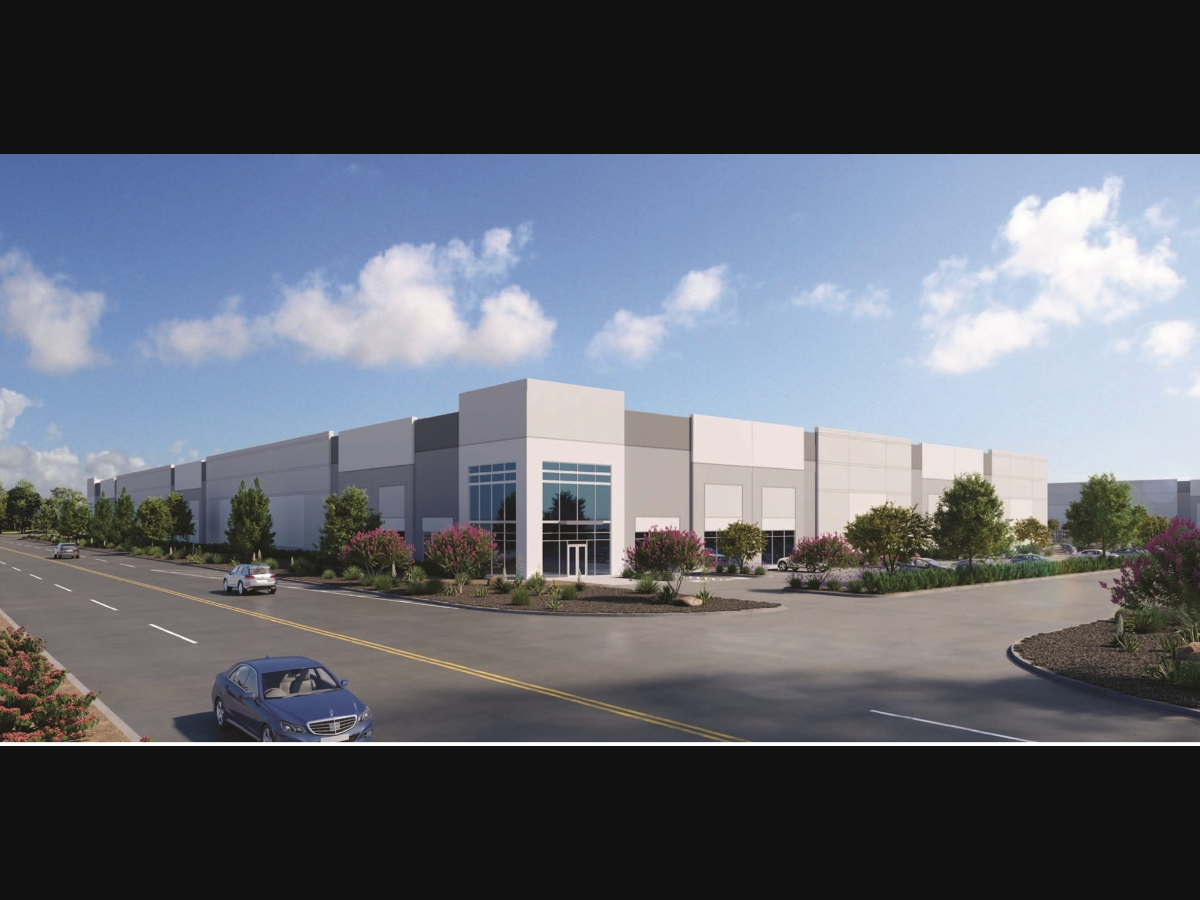
CALIFORNIA — As Californians challenge data centers in their own communities, the Trump administration is pursuing server farms on federal lands that could bypass local opposition.
Amid the impending election, local lawmakers are demanding answers about who controls those decisions and who benefits when Washington opens public lands to data centers and other private developments.
The Trump administration’s push to build data centers on federal lands could sideline communities fighting the projects, shifting decisions from local officials to federal agencies.
Find out what's happening in Concordfor free with the latest updates from Patch.
Developers who face opposition on private land could pursue federal sites without seeking approval from city councils or local planning commissions, according to lawmakers and analysts.
“The virtue, from the standpoint of the tech sector, of building on federal lands is you bypass local opposition,” Brookings Institution political scientist Darrell West recently said on NPR's Fresh Air.
Find out what's happening in Concordfor free with the latest updates from Patch.
That is an opportunity opponents are keenly aware of.
Rep. Jared Huffman, D-Calif., has challenged that push. On Sept. 24, Huffman, Nevada Rep. Dina Titus, and 14 other House Democrats demanded answers from Interior Secretary Doug Burgum about reported proposals covering at least 17,600 acres across Arizona, Idaho, Nevada, Oregon, Utah, and Wyoming.
Their letter sought project lists, records of industry meetings, environmental reviews, and commitments to public participation and Tribal consultation. The lawmakers set an Oct. 8 response deadline.
The letter also challenged the Bureau of Land Management’s handling of the Townsite Data Center, a 167-megawatt AI server farm planned on 88.5 acres of Bureau of Land Management public land in Nevada.
According to the lawmakers, the agency allowed a developer to use a solar project’s permit for the data center without additional environmental review or public comment. A court has halted the project.
In a Sept. 18 statement, Huffman accused the administration of favoring technology companies over communities.
“Donald Trump is selling out America’s public lands to the richest corporations in human history, and every American who loves these places should be furious,” Huffman said.
He cited higher electricity bills and questions about water supplies as reasons to slow the expansion.
“Families are already paying higher electric bills to power data centers. Western communities are asking where the water will come from,” he said.
West said the federal land strategy has already stirred conflict in Nevada’s gubernatorial race. He expects the fight to spread across Western states, where federal holdings offer developers more potential sites.
He also warned that excluding residents could strengthen opposition.
“That’s going to aggravate those local residents even more if basically their views get completely sidelined,” West said.
The dispute reaches beyond individual projects. West said concerns about data centers, artificial intelligence, corporate power, and surveillance have drawn opposition from liberals and conservatives alike.
“People feel like we’re no longer in control of things,” he said.
At least 25 Bay Area data center proposals or expansion plans were reported between September and October including San José, Santa Clara, Hayward, Oakland, San Francisco, Daly City, Gilroy, Pittsburg, Oakley, and Brentwood.
That is a minimum, not a complete regional count. Some cities have proposed bans or are pushing for more information and limits on the centers.
Voters could change technology policy by defeating candidates who support data center expansion, West said. States could reconsider sales tax exemptions for equipment, and public pressure could force companies and governments to disclose more information.
Huffman has also raised concerns about private development involving Yosemite National Park. At a recent event in Bodega, he told Patch he remained on “high alert” over the proposal.
Huffman serves as the ranking Democrat on the House Natural Resources Committee in the 119th Congress and also serves on the Transportation and Infrastructure Committee. He said Democrats need a congressional majority to counter the administration’s efforts to privatize federal lands.
The Yosemite proposal concerns an approximately quarter-mile strip of park land that would provide access to Hazel Green Ranch, an 83-acre private property adjacent to the park. It concerns a separate development proposal from the federal data center projects.
On Sept. 15, Huffman joined Sens. Alex Padilla and Adam Schiff, Rep. Jim Costa, and other lawmakers in opposing the transfer.
Their letter said the Senate Interior-Environment Appropriations Subcommittee had declined to advance the project following congressional objections. The release did not specify when the subcommittee considered it.
Huffman said he takes the administration’s proposals seriously, including ideas that once might have seemed too audacious to advance.
“These lands belong to the American people,” he said in his data center statement. “Democrats will fight to keep them that way.”
Get more local news delivered straight to your inbox. Sign up for free Patch newsletters and alerts.