Health & Fitness
Field Guide to Coronado History: How Did Our House Numbers Come To Be?
Another in a regular series of fascinating, intriguing, or thoughtful tales about people and places in Nado history -- presented by your Coronado Historical Association
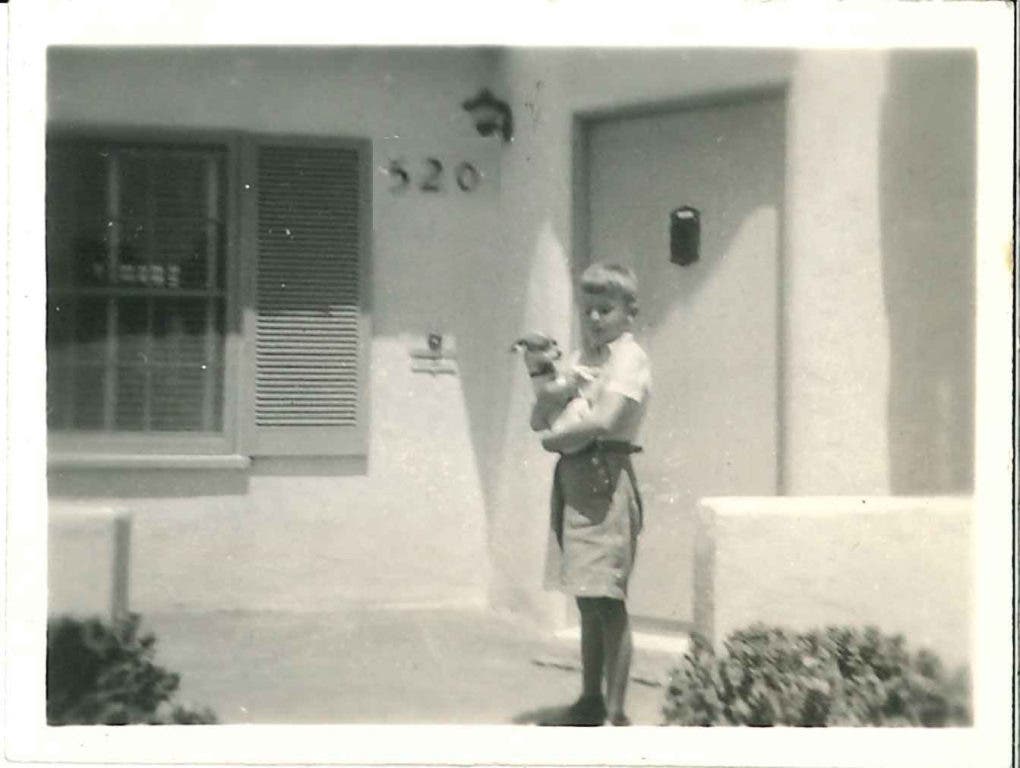

Another in a regular series of fascinating, intriguing, or thoughtful tales about people and places in Nado history -- presented by your Coronado Historical Association
Place name are inextricably linked to the history of a place … so too are place numbers. Whenever you ask questions like “What was here?”, “Who was here?”, or “What happened here?”, part of the answer invariably involves a humble little number painted, carved, nailed, or fastened on a home.
House numbers – so common, we hardly even think about them. We all know that every house in Coronado has its number and Google’s Street View has catalogued every home front using address numbers, but where did they come from? Not from original lot surveys. And not by accident, as all the numbers appear to be uniform throughout the Village. And many of our house numbers are ghostly similar, just look at 1433 First St and 1433 Sixth St.
Find out what's happening in Coronadofor free with the latest updates from Patch.
It all happened in 1903. The following guidance was officially issued to all by the Coronado Board of Trustees (the City Council of the time) with residents asked to comply with this direction and put up the proper numbers on their homes.
“Houses are numbered from north to south and from west to east. On streets running from north to south, there are 50 numbers in each block, or one number to every ten feet. Commencing on the southwest corner of First and Orange the first number on Orange avenue is 100. The last number on that block would be 198, even numbers on the west side and odd numbers on the east.
Find out what's happening in Coronadofor free with the latest updates from Patch.
“The numbers at the street crossings are First street 100; Second 200; Third 300; Fourth 400; Fifth 500; Sixth 600; Seventh 700; Eight 800; Ninth 900; Tenth 1000; Tolita avenue, 1100.
“On the streets running from west to east, ten feet are given to each number, the even numbers being on the south side. The numbers at the street crossings are Boulevard 100; Alameda avenue 200; K 300; J 400; I 500; H 600; G 700; F 800; E 900; D 1000; Orange 1100; C 1200; B 1300; A 1400. Adella and Pomona 1500. All irregular streets are numbered from north to south and west to east, taking the block number from the corresponding regular block.” (BL)