Health & Fitness
The Plant Factor: Sustainability, Substance and Conservation
THE PLANT FACTOR: Sustainability, Substance and Conservation
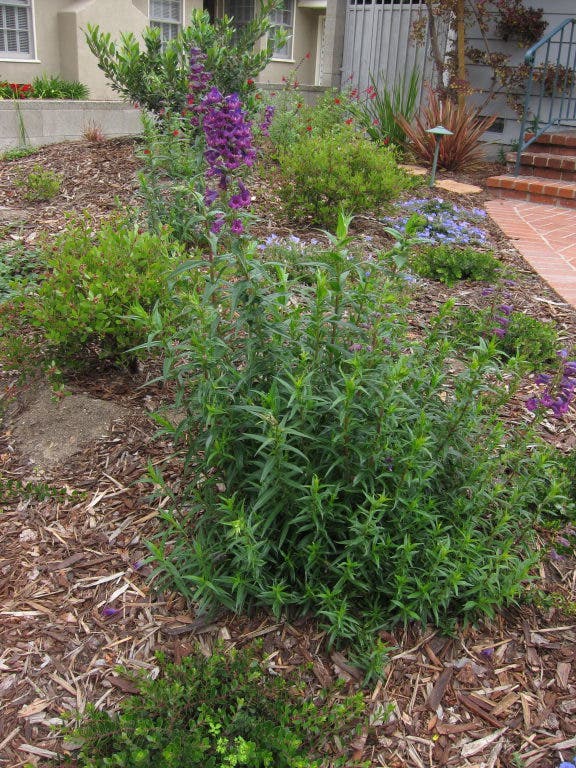


Is it possible that I am ruining my own garden by over watering my plants? Not to mention wasting water. Two landscape lapses all in one. When I think about the times that I have purchased new plants, brought them home and then over watered, it is not very responsible. You are incorporating the same routine and expecting greener results. This blog will explain the following factors:
- You will know how to estimate appropriate water needs in order to produce healthy plants that grow and flourish as well create an aesthetic character to your garden.
- There is a purposeful purpose to this - taking the time to truly understand what you are planting, placing the same plants together and estimating individual water needs is well worth the effort.
- First of all, over watering can produce excessive growth, pests, disease problems and sometimes even death. Furthermore, from a conservation perspective, it is crucial to design and manage landscapes with high levels of efficiency. This approach is designed to apply to landscapes and gardens throughout California for both conservation and horticultural purposes. It sounds complicated but just requires becoming more mindful of what you are planting and accountability for individual plant water needs. (LANDSCAPE PLANTS for CALIFORNIA GARDENS) By Bob Perry (www.pacifichorticulture.com).
- Wouldn’t it be nice to manage and maintain your garden instead of reinventing it each time? It saves time, energy, frustration and most importantly, money. Mulch is a wonderful addition to creating a sustainable difference. Mulch provides a garden with a protective layer, which prevents erosion and holds in moisture. Mulch also prevents weeds from growing. Organic mulch breaks down over time and will even deposit nutrients into the soil. (www.organicgardening.about.com).
Basically, it comes down to a mathematical equation and two very important definitions. By multiplying the ETo value by the plant factor (PF), the relative water need of a particular plant is estimated.
Therefore: INDIVIDUAL PLANT WATER NEEDS = (ETo) x (PF)
Find out what's happening in Culver Cityfor free with the latest updates from Patch.
PLANT AND FOILAGE FACTORS
Find out what's happening in Culver Cityfor free with the latest updates from Patch.
ETo stands for Evapotranspiration. (Just go back to 10th grade Biology class for a minute): You can do this. Just envision the cute crush in that class:
- Plants and landscapes lose water through evaporation and transpiration.
- Evaporation occurs from the surfaces of foliage and soil; transpiration occurs from plants during the processes of photosynthesis and respiration.
- The total water amount lost in these two ways is referred to as Evapotranspiration.
Plant Factor or (PF) Plant Factors indicate the percentage of supplemental water each species needs relative to ETo. There are two types of plant factors:
1. Plants with a single plant factor (L, M, H) (Low; moderate and high) grow best with regular water all year.
2. Plants with two factors (L/VL), (M/L), (H,M) grow better with regular winter moisture and reduced summer moisture.
Depending on the type of plant factor, each plant is assigned to an irrigation group.
IMPORTANT NOTE: It is necessary to have a CIMIS (California Irrigation Management Irrigation System) that generates ETo values for your specific region.
(wwwcimis.water.ca.gov./cimis.)
This brings us to my next blog: It will focus on irrigation groups in terms of water needs of plants and landscapes.
Just remember to pay closer attention to the water needs of each plant, where they are placed in your garden and slowly but surely you will become a more responsible gardener.
These tips on water needs of plants andlandscapes are from Stout Landscape Design. If you have additional questions, please contact Tom Stout at tom@stoutdesignbuild.com