Politics & Government
Hoteliers Oppose Increase in Occupancy Tax Rate
The council decides to place the measure, which is designed to generate additional revenue for the city, on the November ballot.
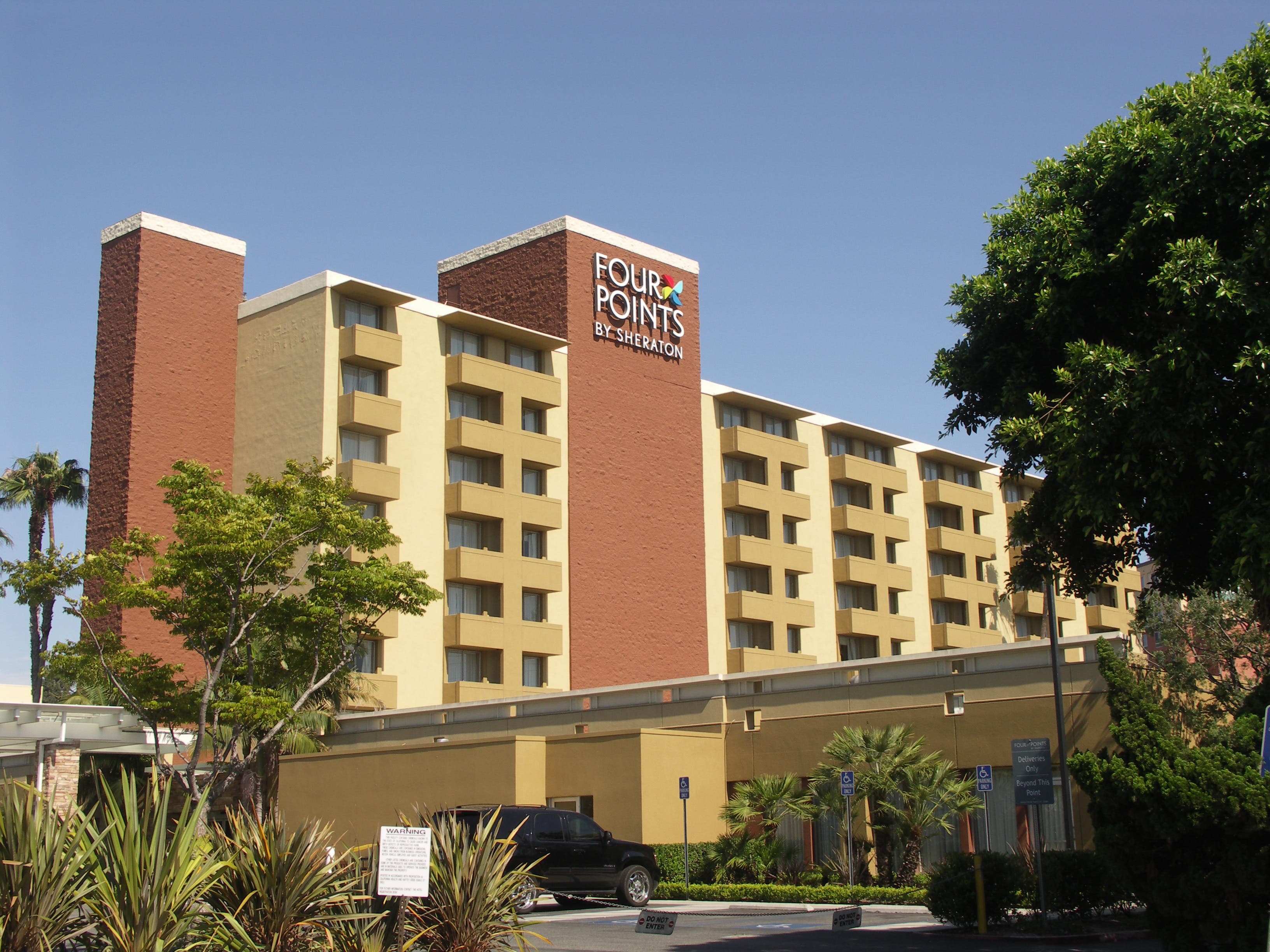


Guests at Culver City hotels will face higher costs if voters approve an increase in the transient occupancy tax from 12 percent to 14 percent. The new rate, which will be on the November ballot, would generate an estimated $400,000 in additional revenue annually for the city.
The City Council voted 4 to 1 Monday to ask staff to prepare the resolutions necessary to place the measure on the November 2010 ballot, with Councilman Micheal O'Leary the lone dissenting voice.
"I cannot support this in any way, shape or form. This is the wrong time for this move, and it's outrageous that any business would raise the rates in a time like this," O'Leary said. "We could end up losing money on this deal.
Find out what's happening in Culver Cityfor free with the latest updates from Patch.
"So I would caution that taxing right now is not a good idea. It would be like me struggling with my business, deciding to raise my prices."
Hotel executives say that raising the transient occupancy tax —which is a percentage of the total cost of a room -- would harm Culver City hotels when they're already suffering.
Find out what's happening in Culver Cityfor free with the latest updates from Patch.
"You have to keep the volume of customers coming through the door very high, and that often means that you have to be very competitive by having to do more with less workers and lower rates," said Ron Hust, general manager of the Courtyard by Marriot in Culver City. Business at his hotel has been down 20 to 30 percent since the recession began, he said, and all the hotels in the area are trying to attract visitors by lowering their rates.
In a message sent to the City Council, Hust said that any increase in the transient occupancy tax would damage the hotel business further. He said that hotels in neighboring cities south of LAX already have a competitive advantage because of their lower transient occupancy tax.
For visitors staying at Culver City hotels, the increase would mean a jump of $4 per night for a hotel that costs $200 a night.
Melissa Williams, director of sales and marketing for the Sheraton Hotel in Culver City, said raising the transient occupancy tax now is not a smart idea.
"We're not totally opposed to doing things that would generate revenue for the city, but we don't believe at this time the hotel industry is strong enough to take away our competitive selling advantage," she said. "And one of those advantages is the TOT tax. We all know that we need additional revenue. We all need additional sources. But we don't feel that this is the right time or place for this increase."
Other hotel executives also voiced their opposition at the City Council meeting. Antonio Reese, director of the Courtyard by Marriott, said his business depends on appealing to customers who are priced out of such areas as Beverly Hills, Santa Monica and Hollywood.
"We survive on the transient business travelers and these modest groups and tour businesses, which cannot afford these other cities, which are pricier," Reese said. "So by increasing the TOT, we'll be less attractive to those market segments and actually lose occupancies and demand, which will in turn reduce the city's tax revenues, instead of the increase that they have hoped."
However, the City Council believes that raising this tax could help alleviate the city's budget deficit.
According to an e-mail Councilman Scott Malsin sent Patch, the money from this tax goes into the city's general fund and would help pay for police and fire protection, park maintenance and programs, street and tree maintenance and other services that were affected by budget cuts for fiscal year 2010-2011.
Malsin said that the tax would help reduce the $2-million budget deficit the city faced this year, and that Culver City is facing a structural deficit that it must address.
"While we have a healthy reserve fund, we must live within our means," Malsin said in the e-mail. "The city is looking for ways to reduce that deficit, such as through economic development, reductions in our workforce, etc."
Which way will you vote? Comment below or post it to our Facebook page.
