Politics & Government
Downtown Parking Policy Changes Still Stalled
After another presentation from Walker Parking Consultants, the City Council makes no decision and will deliberate further how to ease overcrowding in certain structures.
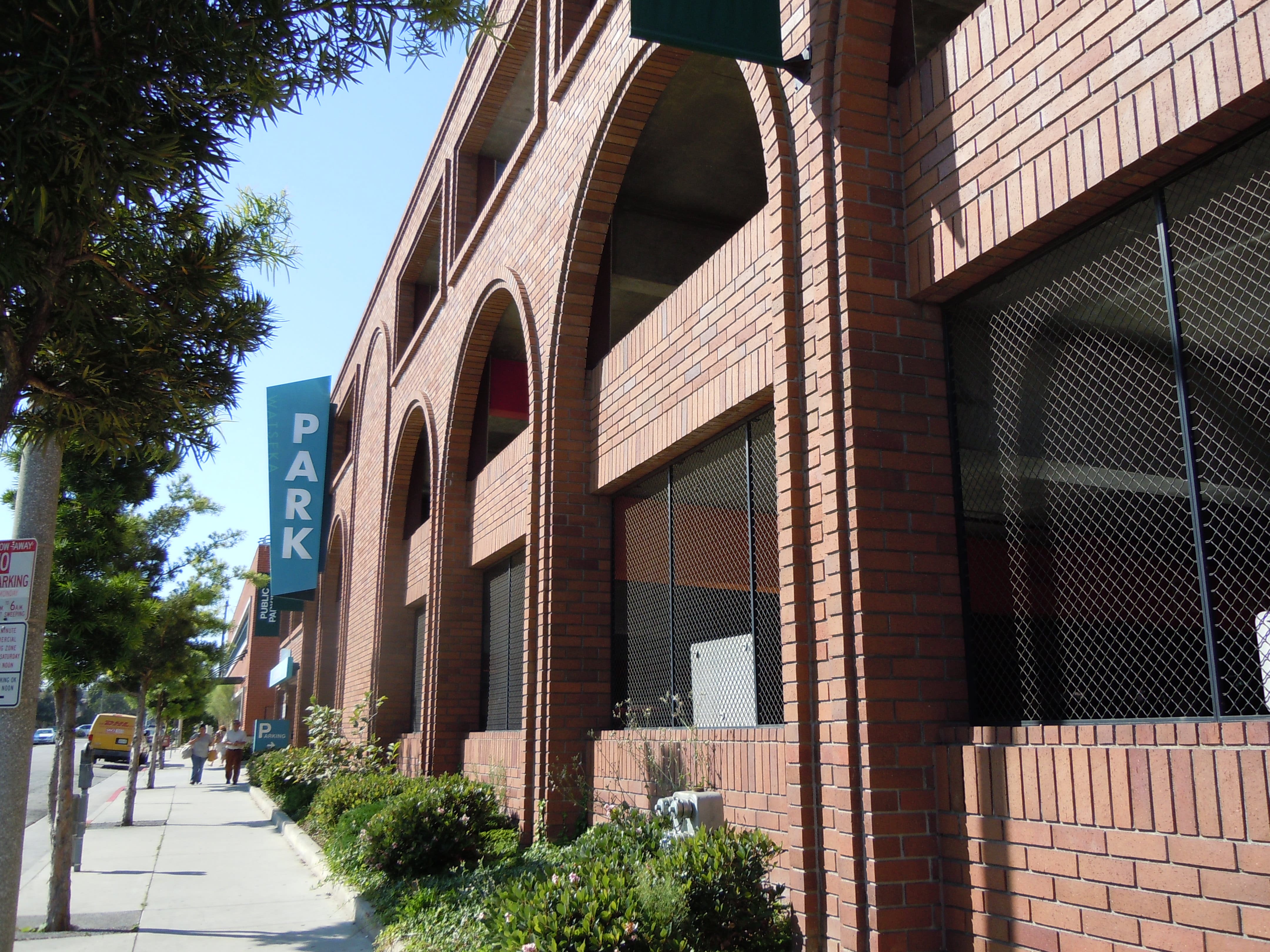


The good news for merchants and visitors to the city's downtown is that there isn't a parking shortage—just a parking imbalance.
At Monday's City Council meeting, the panel continued its July discussion of how to improve the flow of traffic through downtown's parking garages—specifically changing how people park and how often they move their cars.
"There is underutilized parking, contrary to what you see," Walker Parking Consultants' Steffen Turoff told the council members. The firm has been working with the city since 2009.
Find out what's happening in Culver Cityfor free with the latest updates from Patch.
At issue is that most visitors and employees park in the Cardiff and Watseka structures because of their proximity to downtown, and remain in those spots longer than the two-hours' free stipulation. Turoff called it the "two-hour shuffle" with many people simply moving their cars every two hours within the same structure.
As a result of the low turnover in these two structures, the Ince structure is underutilized, he said.
Find out what's happening in Culver Cityfor free with the latest updates from Patch.
Turoff's presentation Monday night highlighted the fact that on a recent evening visible oil stains in the Cardiff structure provided evidence that vehicles were left parked there for some time. At the Ince structure, the opposite was true. There were floors of open spaces and the ground looked clean. "Almost clean enough to eat off of," Turoff joked.
In July, representatives from Walker Parking Consultants presented an idea to eliminate the two-hour free parking period in the downtown parking structures altogether. Business owners and residents alike spoke against this option, saying that people would be less likely to visit the downtown area if it was discontinued, and that those who did come would park instead in the nearby residential neighborhood.
City Councilman Scott Malsin said at Monday's meeting that he knew downtown parking was "a little dysfunctional" and that he supported maintaining two free hours at Ince to get more visitors to park there. He stressed that while policy changes could be made at a later date for the City Hall parking garage—another of the changes proposed by the consultants—anyone doing business at City Hall would not pay to park there.
Another option the council considered was installation of pay-on-foot machines, common in parking garages in other cities (such as in Los Angeles at The Grove mall) as well as overseas. Visitors walk to one of many machines, insert their parking ticket and pay the associated fee before leaving the garage, which makes for a quicker exit. Such technology would also allow for 24-hour parking structures.
Before any changes take place, the council said enforcement of existing parking rules must be in place to protect residents.
"Enforcement needs to be increased or this will fail," Vice Mayor Micheal O'Leary said. "Residential neighborhoods are the first place people will look when there is no free parking."
Turoff said the assumption when putting together his company's recommendations was that the city would enforce parking in residential areas.
He reiterated that elimination of the free two-hour period was the best way to go, but said he understood it could be "hard to swallow."
Most council members seemed to favor a tiered approach: continuing to offer two free hours at Ince and possibly cutting the free parking at Cardiff and Watseka by half to only one hour. The logic is that long-term parkers would use Ince while short-term visitors would use the other structures or be willing to pay for the convenience of parking near their destination.
Going from two free hours to one hour was a step in the right direction, Turoff said, but he also cautioned that "a free period invites some abuse."
Ken Kauffman, who attended the meeting on behalf of the Downtown Business Association, acknowledged after the presentation that the parking problem was a "growing pain" associated with a successful downtown.
However, he said he was "very encouraged" by how the council members approached the matter, that they asked good questions and that he was glad they "weren't primarily concerned with revenue."
Implementing the consultants' recommendations could bring the city $1.3 to $1.4 million in additional funds.
The City Council will debate the issue again at its next meeting Sept. 27. The discussion will include on-street parking and extension of parking meter hours. From there, an implementation plan would be established, and the council would review it before any changes would be made.
How do you feel about parking in downtown Culver City? Leave a comment below.
