Health & Fitness
Local Voices: Food, From Social Movements to High Tech Businesses
Learn about high-tech food businesses in Silicon Valley.
Americans' interest in food is such that some people think it is an obsession. In America food is talked about everywhere – in books, in magazines, and there are even TV networks dedicated to food. Of course food has also gone virtual and is being talked about on-line.
Until recently, food wasn’t really on the radar for progressives, beyond the mission of coping with world hunger. It wasn’t until the food safety scandals of the 1980s and ‘90s – followed by the publications of exposes like Eric Schosser’s Fast Food Nation and the growing threat of obesity –that Americans really started paying attention to what they were eating. Some weren’t very happy with it – and they wanted a change.
Food became a social movement very quickly. Some argue that the food movement is better described as food movements, since it is unified as yet by little more than the recognition that industrial food production is in need of reform because its social/environmental/public health/animal welfare/gastronomic costs are too high.
Find out what's happening in Cupertinofor free with the latest updates from Patch.
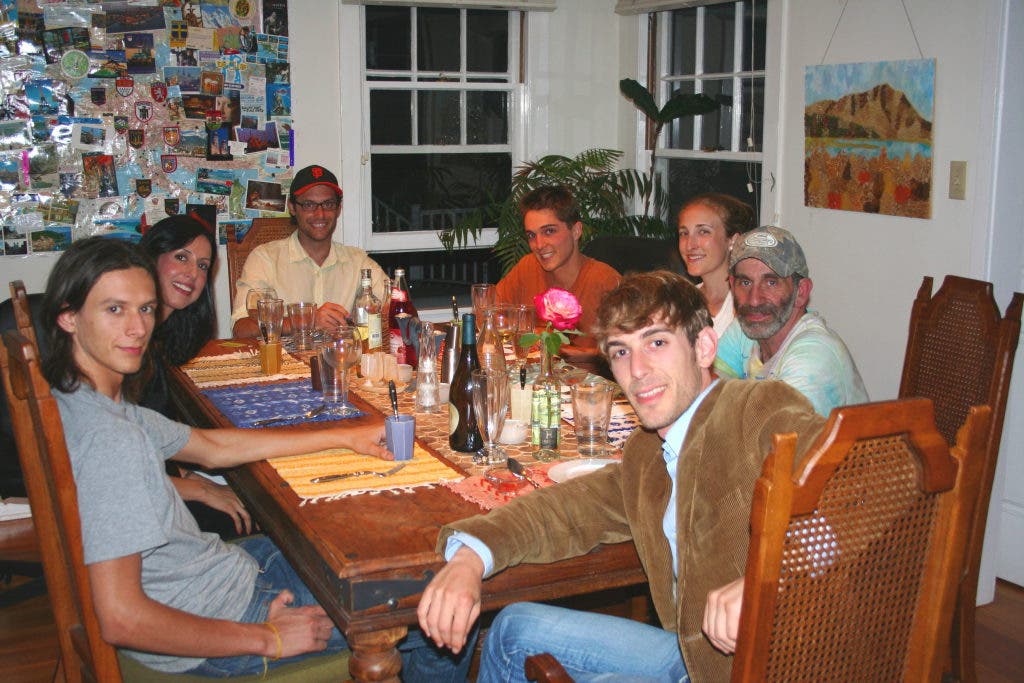
Part of the food movement’s critique of industrial food is that, with the rise of fast food and the collapse of everyday cooking, it has damaged family life and community by undermining the institution of the shared meal. Sad as it may be to bowl alone, eating alone can be sadder still, not least because it is eroding the civility on which our political culture depends.
On August 10, I attended “The New Food Chain: Investing in Food Startups”, an event organized by 500 Startups, an early-stage seed fund and incubator program located in Mountain View. There I learned about some of the food startups in the Bay Area which presented their business ideas that night. One of the most striking conclusions at the event was that food+technology was a food trend that seems to be here to stay for a long time.
Find out what's happening in Cupertinofor free with the latest updates from Patch.
Cooking and eating are social acts that bring people together, and this is without doubt the most important value offered by many of the high tech food services here in the Bay Area. After all, isn’t Facebook's business value to help people connect and share with other people? There are 206.2 million internet users in the United States and 72 percent of all U.S internet users are now on Facebook. This means that at least 148 million people in the United States value the connectivity and sharing services that Facebook is offering. In the search to connect and share, people are turning to social networking platforms, and many are choosing one of the oldest, most delicious ways to connect and share with people: over dinner. But this time around people are using high tech to connect over food.
“Food is an amazing equalizer. It can bring together people from the most disparate backgrounds. Young or old, experienced chef or microwave artist, red or blue. Everyone has something to bring to the table." This quote comes from "How to Host a Grub Party", a deligful manual on how to make community around food, that I found many years ago at www.eatgrub.org, the website created after the publication in 2006 of Grub: Ideas for an Urban Organic Kitchen by Anna Leppe and Bryan Terry, pioneers in the food movement.
In the San Francisco Bay Area people have been discovering for years now the joys of growing their own food, experimenting with new flavors, learning where their food comes from, going to the farmers market and getting to know who produces the food they eat, but now they are using high tech food services to meet other people through cooking and sharing food socially.
A Few of The High Tech Food Businesses in The Bay Area:
CultureKitchenSF brings together immigrant women, experts at ethnic home cooking, with food lovers interested in the people and the stories behind the food. Culture Kitchen connects people through cooking classes. To get started, you go to CultureKitchenSF website and find the cooking class that fits your taste buds' preferences, and make reservations.
Grub.ly connects people who love to cook with people who love to eat! As a Grubster, you’ll discover new food and meet local chefs in private venues throughout the city. Every dinner is unique, and tells a story of the cuisine, the chef, and the people around the table. To get started, you need to register using your cell phone, for the Grubly high tech application works only with mobile phones. Grubly will notify you of dinners that pop up in your city. You can customize your experience to fit your dietary preferences, location, availability, etc. Grubly is free to join, but charges a fee to participate in dining events.
SpoonDate connects people through dinners, private tastings, cheese making, cooking classes, speed plating, urban foraging trips, etc. SpoonDate allows members to meet one-to-one or in a group setting. “It is a way to meet people who love the food you love. You post what you’re craving e.g. I’m craving tapas and sangria at LaLola and Spoondaters in your area can join you for a bite.”
BlendAbout is a social dining website that uses technology to match people into groups for lunch and dinner events based on location, common interests and foodie style. BlendAbout was created to help people make real friends and real connections, without the pressure or awkwardness of one-to-one meetings. BlendAbout is free to join, but they charge a small subscription fee to participate in dining events. This to ensure that users are committed to attending the events they're scheduled for.
Wednesdays reconnects alumni, employees across departments, family and friends over lunches.
Learn more about www.cookorgasmic.com by visiting our food blog.