Politics & Government
County Planning Commission Delays Vote on Lehigh Plan
Public hearing is continued to 5:30 p.m., Thursday, May 31, at county headquarters.
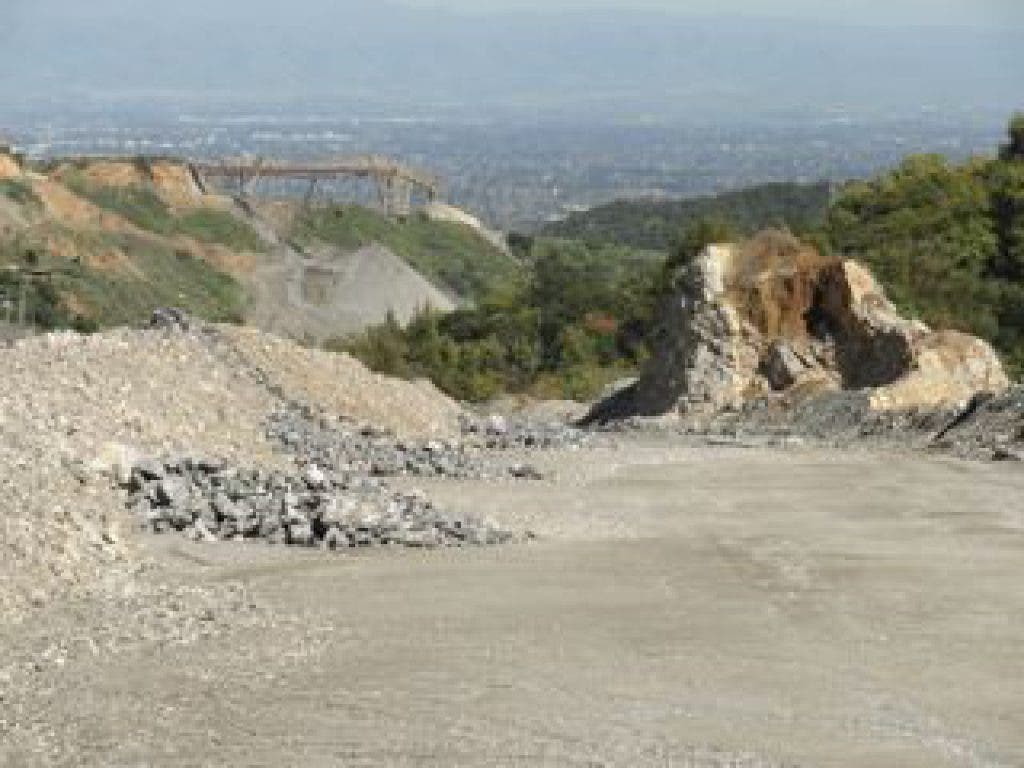

Economic interests versus environmental protection was the overriding theme at Thursday’s hearing of the Santa Clara County Planning Commission concerning long-term restoration plans for Lehigh Southwest Cement’s Permanente Quarry.
after hours of testimony from planning staff, local environmental groups and agencies, residents, Lehigh executives and long-time quarry employees.
Vowing to “take as much time as we need” for the large and complex decision before the commission, Chairperson Scott Lefaver adjourned the hearing to 5:30 p.m., Thursday, May 31, in the Board of Supervisors Chambers, located at 70 W. Hedding St., San Jose.
Find out what's happening in Cupertinofor free with the latest updates from Patch.
He indicated the decision might not even come that night. If necessary, the hearing could be continued yet again to the commission’s regular June 7 meeting.
In the meantime, Lehigh officials are pressing the county to come to a quick decision, as the company faces pressure from the state to begin reparation work in order to remain eligible to sell cement products to government agencies.
Find out what's happening in Cupertinofor free with the latest updates from Patch.
On Thursday Lehigh brought 12 employees and an attorney to testify to the importance for economic reasons of certifying the environmental impact report (EIR) and approve the reclamation plan amendment (RPA).
The 1,800-plus page document details how more than 600 acres of land disturbed by mining will be reclaimed to its natural state over the next 20 years.
“The approval of this reclamation plan will afford us the opportunity to continue to provide our quality cement products to the community around us for new projects such as the new 49er’s stadium that is to go up (and) the new Apple campus,” said Lehigh Maintenance Manager Mark McNeil. He called the quarry, “our little gem we call Permanente.”
McNeil and other employees said Lehigh and parent company Heidelberg Cement are committed to environmental stewardship.
Lehigh’s attorney Mark Harrison testified that the positive effects of the quarry include 151 direct jobs, 1,017 indirect jobs, a “$30 million positive effect on the county’s economy and a $130 million positive effect” on the Bay Area region.
Environmentalists and residents critical of Lehigh’s operations remained steadfast in their questioning details of the reclamation plan, however. Some argued that Lehigh should have to shell out more cash to pay for stricter requirements in order to protect the environment and the health of Santa Clara County residents.
“I’m not arguing we don’t need concrete, but I think we all may be willing to pay a little more for that concrete if there’s effective remediation and we get our air cleaned up, and we get our water cleaned up, and we get our land truly reclaimed,” said Cupertino City Councilmember Rod Sinks, speaking for himself and the group Bay Area Clean Environment.
Los Altos resident Peg Champion urged the commissioners to protect the public health.
“Clean air and our precious water resources must not be sacrificed for the benefit of a single industrial entity,” she said.
Champion and others urged the commission to expand the RPA boundaries to include the cement plant and the diesel trucks that travel back and forth to the plant.
Principal Planner Rob Eastwood said that the state Office of Mine Reclamation is not requiring the cement plant be included for this RPA, despite recommending the plant be included back in 2006. Truck trips specific to the reclamation work were included in the plan, he said.
One of the largest concerns of residents and environmental groups is selenium runoff into Permanente Creek. The creek is already a federally identified impaired waterway for the toxin, as well as the subject of both a against Lehigh under the Clean Water Act, and .
Earlier this year the water board submitted highly critical comments to the EIR, questioning the document’s conclusions, recommending planners make significant changes, and then re-circulate it for more public comment.
County planning staff members acknowledged that during reparation work there would be unavoidable spikes of selenium contamination. They assured the commission that selenium levels would be reduced to below federal standards when the work is completed in 20 years.
Once an RPA is approved, Lehigh would have to begin creek restoration immediately, however, it would not be required to treat the water to remove selenium. Staff members said they could find no reliable or cost-effective form of treatment at this time. They did write in a requirement for more studies and evaluation of possible future treatment options.
Some commissioners were concerned how the restoration work would fit in with enforcement of state regulations through the regional water board, although a water official said the county and her agency would be able to work in concert with one another.
The water board’s assistant executive director, Dyan Whyte, told commissioners the water board is “quite aggressively moving forward to obtain the information we need to make our own regulatory decisions. We recognize nothing you do today will override our authority to go forward and we will continue to do so.”
One of Whyte’s main concerns was that there be enough financial assurances written into the plan so that the creek could be restored should Lehigh walk away from the operation for some reason in the future. Currently the plan requires a $47.5 million bond be posted for the total reparation plan.
Another major issue for residents critical of Lehigh is the East Materials Storage Area (EMSA), which has been under dispute for more than four years. Part of what triggered the necessity for a new RPA was notices of violations to Lehigh for using the area to store rock materials unusable in the cement-making process.
Lehigh’s director of land use, Marvin Howell, told commissioners that homeowner groups he has presented restoration plans to are in favor of the growing rock pile being capped with soil and re-vegetated to block the view of the plant’s operations.
He said residents often ask him, “how can you make it bigger and how fast can you get it done?”
Residents in the audience on Thursday called out that they disagreed. Sinks said he wants to see materials from EMSA be used to fill in the main quarry pit as part of the restoration.
“I think if you did a wide survey, you’d find people want the pile gone,” he said.