Politics & Government
Helicopter Treatment For Mosquitoes Set For Area This Week
Approximately 725 acres will be treated.


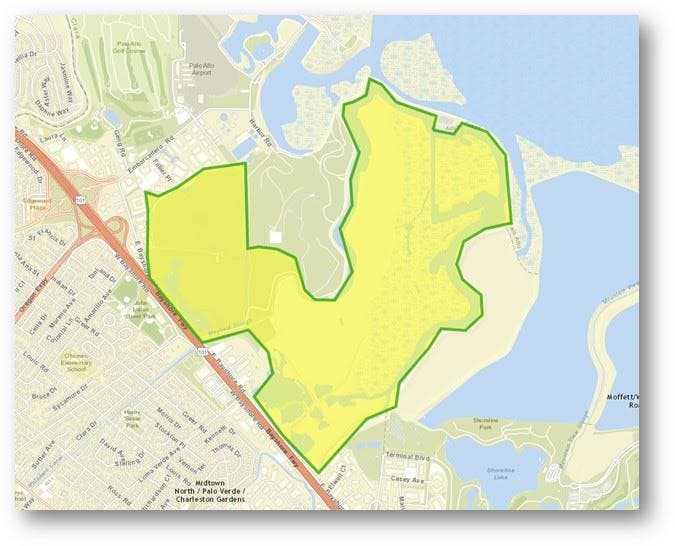
Image: 2.10-Winter Salt Marsh Mosquitoes Treatment Areas
-------
News from Santa Clara County Vector Control District:
Find out what's happening in Cupertinofor free with the latest updates from Patch.
SANTA CLARA COUNTY, CA -- Weather permitting, the Santa Clara County Vector Control District (SCCVCD) will apply a biological control agent and insect growth regulator by helicopter on Wednesday, February 10, 2016, to reduce the emergence of adult mosquitoes. The treatment is scheduled to start at approximately at 7:30 a.m. in the Palo Alto marsh areas and may continue in the afternoon. If needed, the operation may be extended to the morning of Thursday, February 11.
The areas to be treated are the ITT marshland and the Palo Alto flood basin.
Find out what's happening in Cupertinofor free with the latest updates from Patch.
A map can be found here or at SCCvector.org.
The helicopter may make low-altitude passes over trails surrounding the treatment area, so the public is advised to avoid areas where the helicopter is operating. VCD staff and signage will be posted at various locations around the treatment area to notify visitors about the treatment operation.
Commonly called the “winter salt marsh mosquito,” Aedes squamiger lays its eggs in the moist soil in late spring and early summer. These eggs can lay dormant for many years, even after repeated flooding. High tides and seasonal rains, together with the short days and cooler temperatures of winter, cause the eggs to hatch as early as November. This species is known to bite viciously during the day and can fly over 15 miles from its breeding grounds to feed on humans and other mammals.
SCCVCD has been closely monitoring the development of mosquito larvae in the areas to be treated. If left untreated, a significant number of salt march mosquitoes will likely become adults in early to mid-March, based on current data. The mosquito fly-off may affect residents from the north coastal areas of the county to as far south as the southernmost part of the City of San José and east to Milpitas. The aerial treatment is intended to minimize the number of mosquitoes and reduce the risk of mosquito bites to residents in the surrounding communities.
“Winter rains have facilitated the hatching of Aedes squamiger eggs, which will require treatment in the coastal areas of the county,” said District Manager Denise Bonilla. “The aerial operations usually result in a 90 percent reduction in mosquito numbers, and dramatically reduce the extreme nuisance caused by these mosquitoes well into the summer.”
Approximately 725 acres will be treated with water-based formulations of environmentally safe products: methoprene, an insect growth regulator, andBacillus thuringiensis var. israelensis (Bti). Bti is a natural bacteria that, when consumed by mosquito larvae, produces an insecticidal protein that kills the larvae. These products are mosquito-specific and short-lived in the environment: they effectively control the immature (aquatic stage) mosquitoes, but are not harmful to birds, fish, other insects, wildlife, or humans.
More information about these products is available at SCCvector.org.
The SCCVCD continues to encourage residents to report mosquito-breeding sources and take preventive measures, such as wearing long-sleeved shirts and long pants, and applying repellent when outdoors where mosquitoes are biting.
For more information about mosquito prevention, go to SCCvector.org or call(408) 918-4770.
For free assistance on mosquito control or other vectors residents can contact the District office by calling (408) 918-4770, fill out a service request online atSCCvector.org/service or use the SCCvector app, downloadable atSCCvector.org/app.
Get more local news delivered straight to your inbox. Sign up for free Patch newsletters and alerts.