From printed posters to basic chalkboards, and from banners to magnetic strip catalogues, menu board functionality and design has continually evolved. These boards are an important tool in the success of any restaurant. A display that is informative and easy to understand will keep the customers happy, and in turn will make sure they return for more. Here are some tips on how to design a menu which is customer-friendly.
Menu Sections
A very important part of designing a board is to organize it in such a way that when a customer comes in with a particular dish in mind (for instance a soup, meat, sandwich, salad, vegetarian option, fat free, etc), he/she should know instantly whether the food will be available or not. Once the person has found the specific category, he/she can then have a look at the particular options available.
Find out what's happening in Cupertinofor free with the latest updates from Patch.
Item Descriptions
A lot of restaurants make use of specialty names to describe some of their dishes which leaves the customers completely confused as to what is actually in the item. This is the reason why descriptions are so important. If customers do not understand the items on the list, chances are they will not order. If this is the case then there is no point wasting space on the menu board. The best way to go about it is offer detailed descriptions. For instance, if you sell sandwiches then make sure you include the type of bread the sandwich will come on, the variety of cheese available for topping, type of meat that is being used, the kind of sauces available, and the like. Also, does the sandwich come with chips? Such things must be illustrated on the menu along with the food item.
Find out what's happening in Cupertinofor free with the latest updates from Patch.
Pricing
The price for every item, including a cookie, an extra topping or other such options must also be marked clearly and should be easy to understand. A major aspect of menu boards is that their font has to be legible and clear. The same goes for numbers and pricing. A topping that’s for $3 is pretty reasonable, but if someone reads the "3" as a "5", there could be problems. Not many people will be interested in buying a topping that expensive.
Photographs
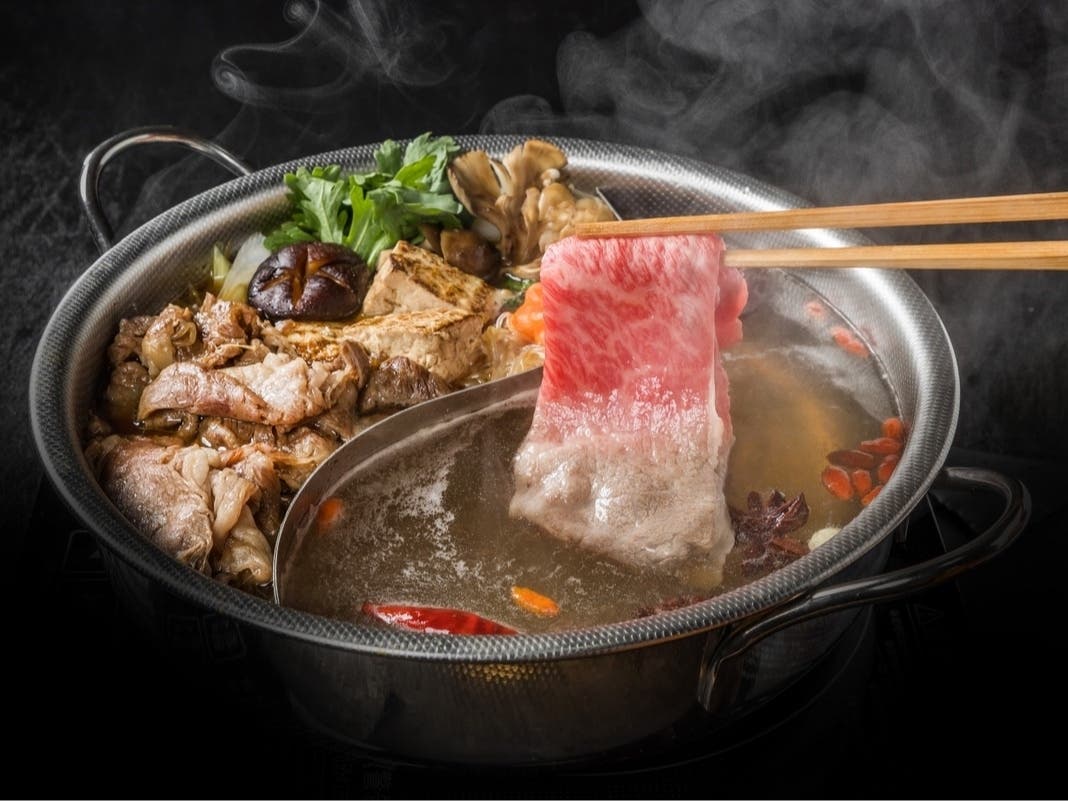
Presentation has a lot to do with repeat customers. A well presented dish is both deliciously nourishing and a visual feast. However, as it all starts with the menu, it’s a good idea to add pictures to the board, specifically for items that people might not have seen before. Invest money and time in taking photographs to tempt people with pictures of your best dishes.
Lightning
Find out about the lighting source for the menu board. To make sure the menu is easy to read and properly illuminated, having a lighting source directed on it is a good idea. Several owners make use of track lighting or illuminated boards to keep the menu lit.
Arrangement
Organize the layout for prices, wordage, and pictures on the menu board. You must have a good idea of the board size and the font you’d like to use, when designing your board. You can also draw a sample on a paper to get a better picture of how you want your finished board to look like.
Menu boards are normally the first thing customers look at when they enter a restaurant. Clearly described, appetizing, and reasonably priced products tend to draw the customers in and tempt them to order. A confusing or badly designed menu board can make the buyer leave. Hence, creating a good menu board is important to running a successful restaurant.
Ref:
http://www.ehow.com/how_5059412_design-menu-board.htmlRead the original article here:
http://www.signmysigns.com/Blogs/2013/July/tips_for_designing_a_customer_friendly_menu_board.html