Neighbor News
6 Steps to Revive a Storm Damaged Tree
How to restore a storm damaged tree through proper pruning, care, and only if necessary, removal.

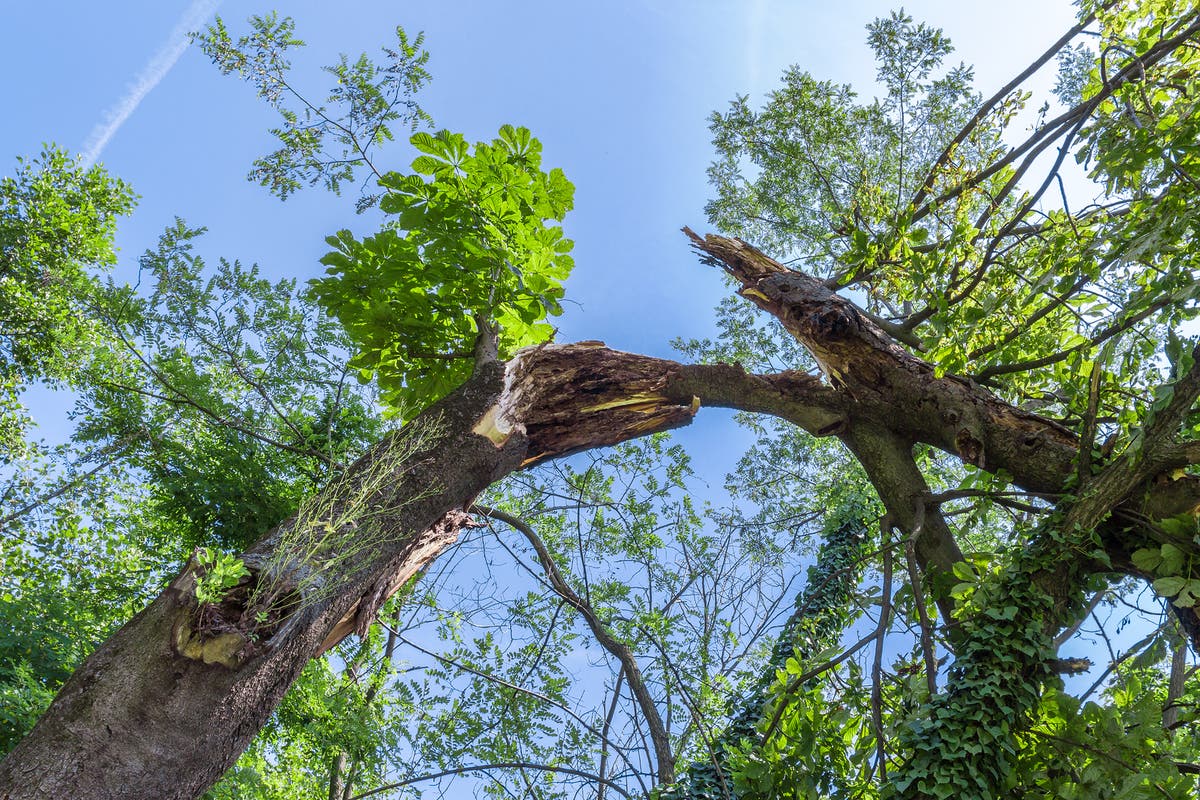
While trees that are hundreds of years old stand as testament to the strength of a tree throughout changing seasons and storms, there are times we need to deal with storm damaged trees.
Act Fast
When it comes to saving a storm damaged tree, or dealing with any tree issues after a storm, rapid response is key. Safety issues must be addressed as a first priority, with fallen (or falling) trees and branches removed, and utility lines cleared to ensure their function. If you have fallen powerlines, call your local utilities provider to address the issue immediately.
Find out what's happening in Danvillefor free with the latest updates from Patch.
Seek Professional Help
Along with any local emergency response and utilities assistance you may need, you will require professional assistance to recover or remove your trees. Working with a chainsaw off the ground, removing high branches or working on large trees should only be done by a certified arborist. In the uncertain conditions generated by a storm, this type of work can be particularly dangerous. Call your local professional arborist for expert assessment and care of storm damaged trees.
Find out what's happening in Danvillefor free with the latest updates from Patch.
Know When To Repair, And When To Remove
One of the most difficult aspects of restoring a storm damaged garden is knowing when to remove or when to repair a tree. Large split branches or split trunks, fallen or leaning older trees, and trees with damage to 50% or more of the trunk or the leaves will most likely need removal. However, trees provide many benefits and value to your landscape, so they are worth trying to save where possible. An experienced arborist can help you find the right trees to save and repair, while safely removing the trees that are beyond repair.
Prune Properly
After a storm, there is a tendency to be overcautious and prune trees too heavily or remove them completely. While fear of falling branches should be addressed through an analysis with a certified arborist, over-pruning your trees will do more damage in the long run. Topping trees should be avoided at all costs, as this robs trees of the means to produce food and makes them vulnerable to pests and disease. Pruning after a storm should be limited to keeping a tree safe while keeping as many live branches in the crown as possible. A skilled arborist can prune your tree correctly after a storm to reduce hazards and preserve tree health.
Do Water and Mulch
After a storm, your trees need to heal and regenerate. In order to best do that, trees should be provided with support and nourishment. Water is essential, but it’s important not to over water. Check the area around the tree, and water when soil is dry. It’s also helpful to apply mulch to conserve water in the soil, keep the soil cool, prevent soil becoming hard, and to encourage greater root growth.
Don’t Fertilize
While it might seem to make sense that storm damaged trees will need fertilizer, fertilizing your tree can do more harm than good. Fertilizer can inhibit a tree’s ability to recover by creating a fast-growing green tree with an inadequate root system to support it. It’s best to avoid fertilizer and allow a tree to recover naturally after a storm.
Reviving a tree after a storm takes care, patience, time and a consideration for safety. Work with a qualified arborist to secure the best result for your trees and landscape after your trees have sustained storm damage.