Community Corner
Keep Your Pets Safe This Halloween
For furry family members, Halloween can be more frightful than fun


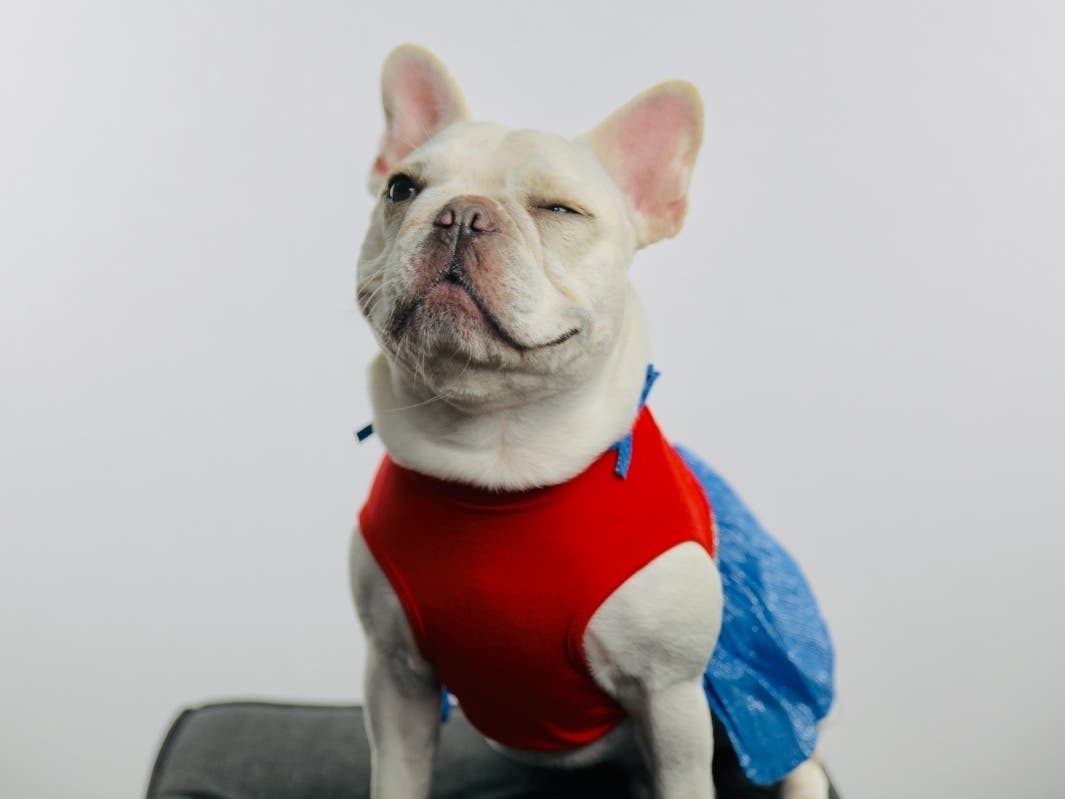
You don’t have to be a kid to enjoy the ghoulishly delightful nature of Halloween. But if you have furry family members, the merriment can be more frightful than they would like. Here are some suggestions for keeping your pets safe this Halloween.

Keep candy out of reach
While you may love your Snickers bar, chocolate is toxic to dogs. The higher the cocoa content, the worse the reaction. According to Pet-MD, symptoms of chocolate poisoning may include vomiting, diarrhea, rapid breathing, increased heart rate and seizures. Non-chocolate candies can be just as bad if they contain the artificial sweetener xylitol, which can cause a sudden drop in blood sugar, loss of coordination and seizures. Avoid a trip to the emergency vet by keeping all candy up high, in cupboards or safely in a pantry where your pooch can’t get into it and remind everyone in your household to do the same. If you think your dog has ingested chocolate or something with xylitol, don’t delay in calling your vet, the nearest emergency vet or the 24-hour ASPCA Animal Control Center hotline (888) 426-4435 (consultation fees may apply).
Trick or Treat
Constant doorbell ringing can be stressful for dogs, particularly ones who protect their humans by barking each time someone comes near. Consider crating your dog or keeping him or her in an enclosed room with soothing music on for company. If that’s not an option, consider handing out candy for a short period and keep your dog on a leash while doing so to maintain control at all times. While I love seeing the little ones in their costumes, ghosts, goblins, pirates and superheroes may startle your dog or your cat and cause them to run out the door.
Find out what's happening in Danvillefor free with the latest updates from Patch.
Microchips and name tags
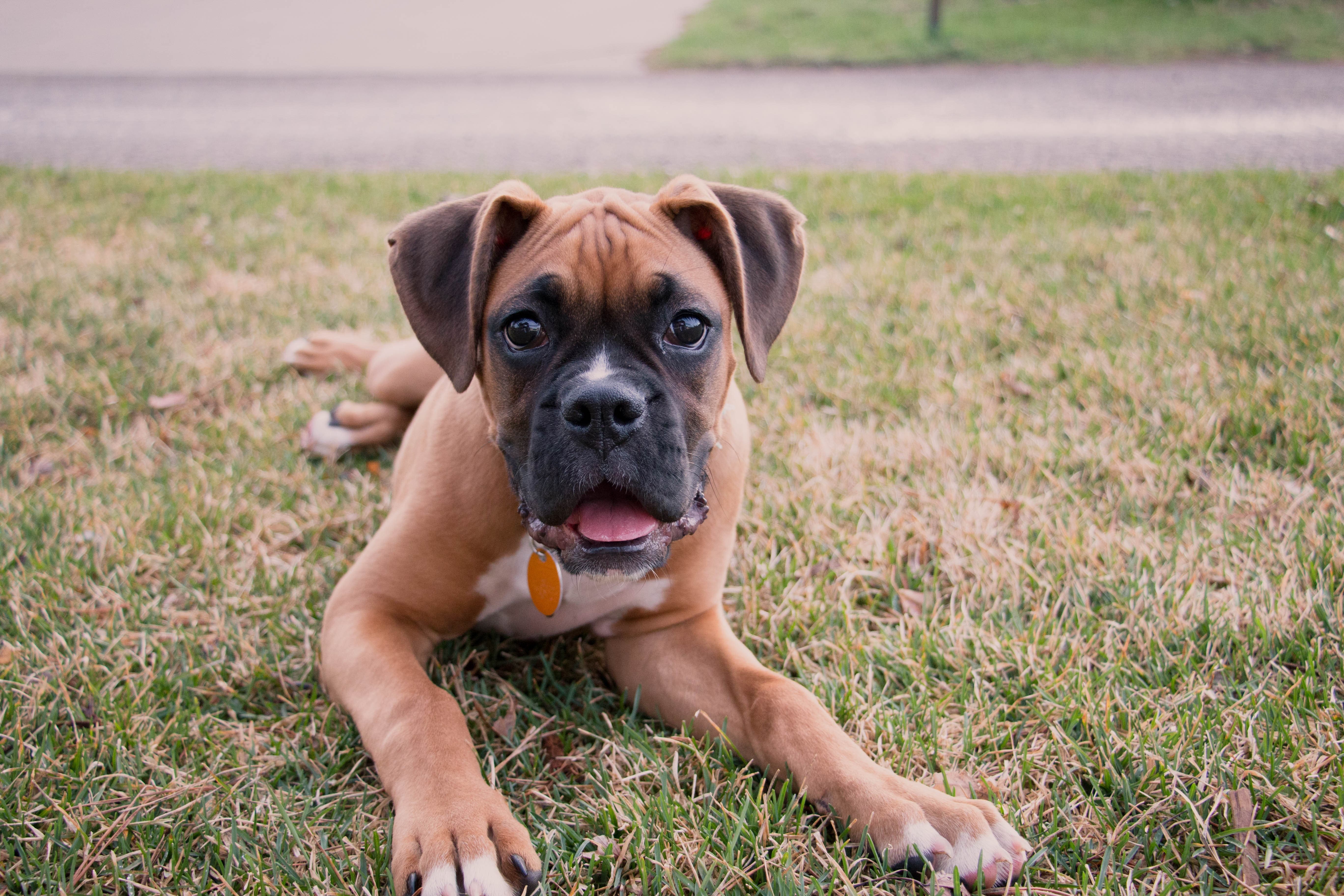
If your dog or cat should get out the door, having proper identification will increase the chances that he or she will be returned quickly. Microchips are a permanent identification method and can be inserted at any local vet during a routine visit. If you have moved recently, be sure to update your phone number and address with the microchip company. The same goes for collars and tags. They do no good if the number isn’t accurate. If you find a lost dog or cat not wearing identification, the nearest vet should be able to scan it for a microchip to get the owner’s information.
Hosting a party
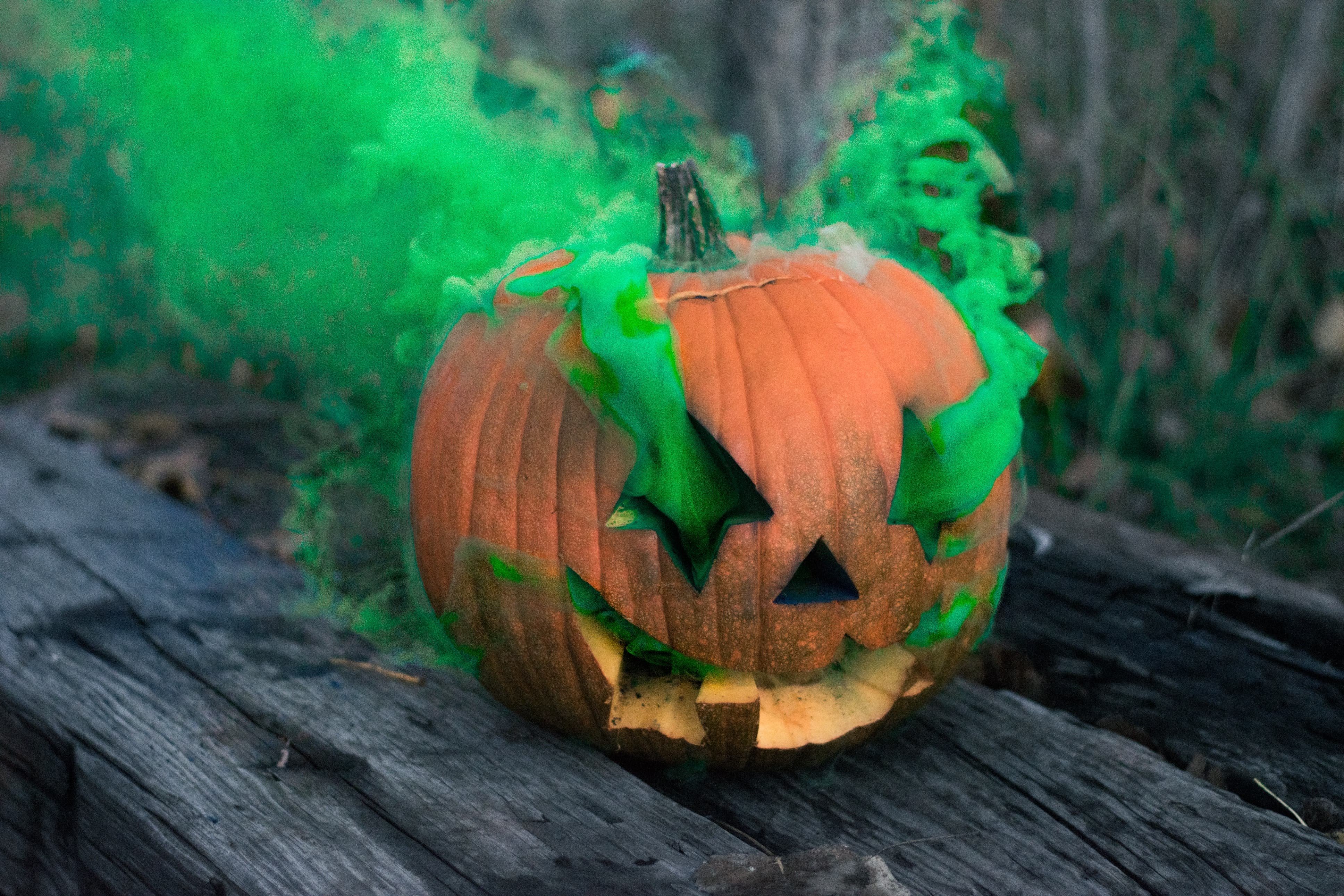
Keep food, candles and lit jack-o’-lanterns out of your dog or cat’s reach. Remember that masks and costumes can change how people look and smell, so even people your dog knows may be frightening and cause uncertainty. if possible, keep your pet crated or in a quiet room to stay safe. According to the Humane Society, besides candy, rubber eyeballs (choking risk), glow sticks and fake blood (possible poisons), fake cobwebs (can choke or entangle pets and wildlife), potpourri (toxic to birds) and strung lights are dangerous to pets and should be kept out of reach.
Find out what's happening in Danvillefor free with the latest updates from Patch.
Pet costumes
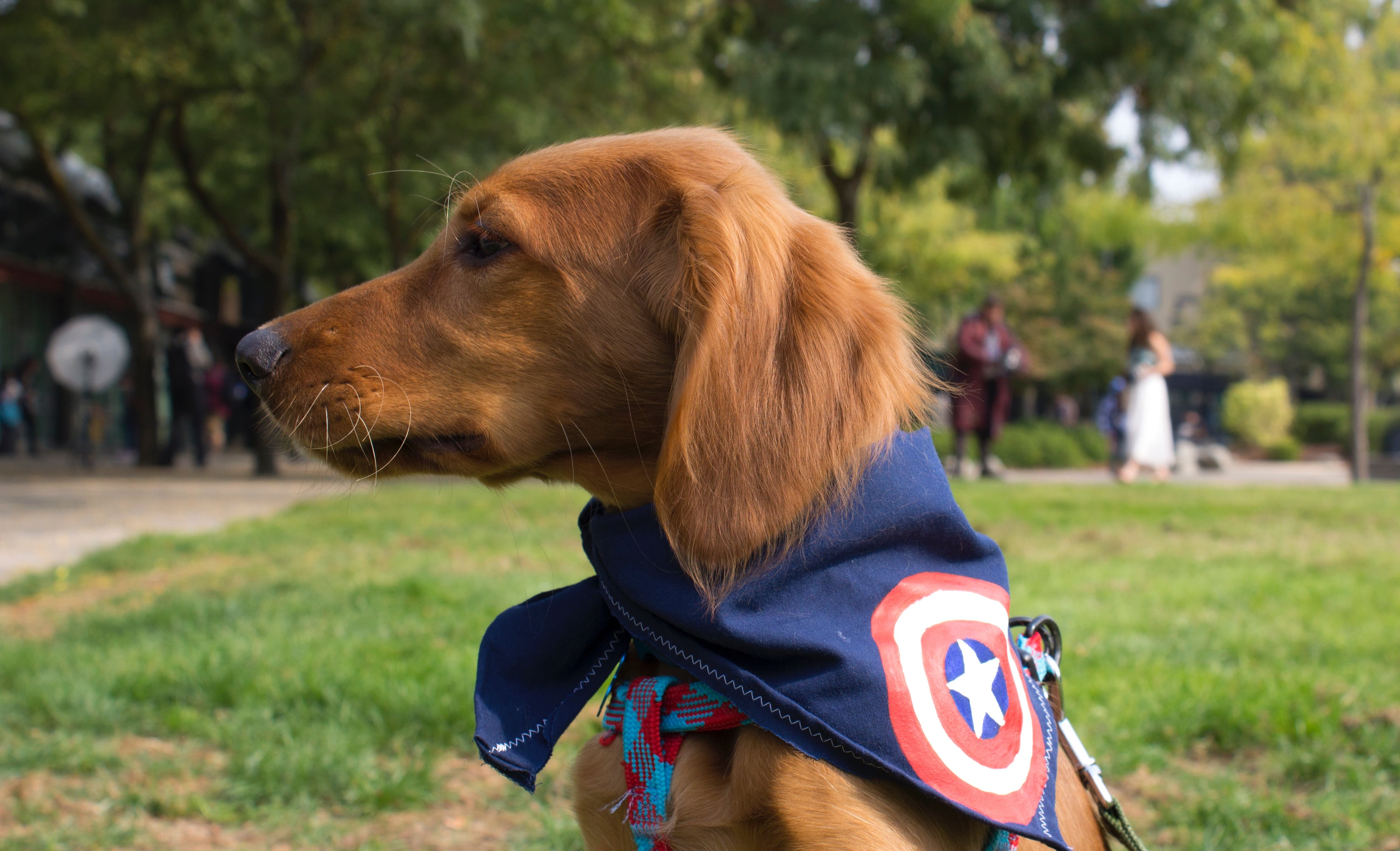
Before you spend a lot of money on a costume for your dog or cat, do a trial run. Although the cuteness factor is huge, wearing a costume can be stressful for animals. The ASPCA (aspca.org) recommends that you don’t put your dog or cat in a costume unless you know he or she loves it. If your pet is fine with masquerading as a lion or superman, make sure the costume doesn’t limit movement, sight, ability to breathe, bark or meow. Check for pieces that could be chewed off and be a choking hazard. If your pet shows signs of stress, take off the costume. Stress signals include folded down ears, eyes rolling back or looking sideways, a tucked tail and hunching over.