
David Michalko knows a thing or two about California droughts. Over his 35-year career as a water manager, he has contended with three serious multi-year droughts. As California’s drought deepens and temperatures rise, he’s ready to help small water systems statewide meet the challenges of potential water shortages.
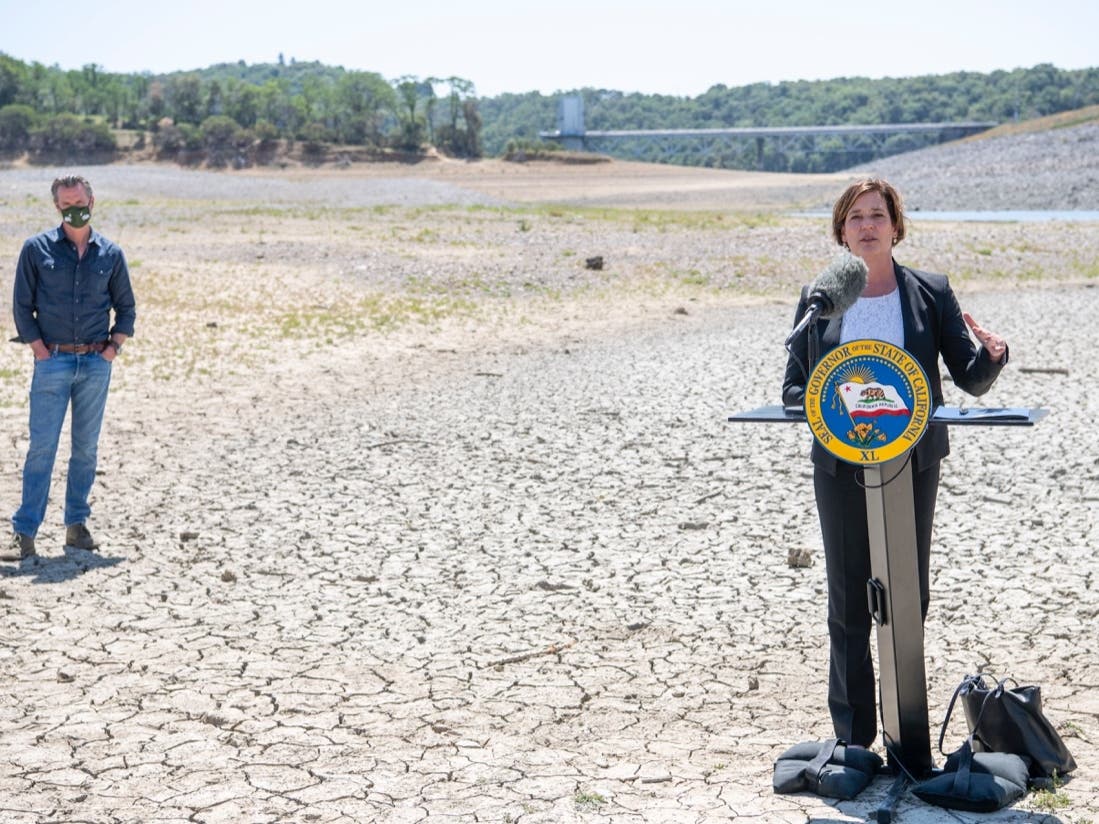
California’s last severe drought that ended in 2016 put state, regional and local water management to the test. Five consecutive dry years took a harsh toll up and down the state. The hot, dry weather fueled some of the most catastrophic wildfires in state history. Some farmers in the Sacramento and San Joaquin valleys had water deliveries interrupted. Rural communities and small water systems faced worst-case scenarios as wells ran dry.
Nightmare scenarios
Find out what's happening in Diamond Bar-Walnutfor free with the latest updates from Patch.
“Droughts are an enduring feature of California’s weather patterns, so its return is no surprise,” said Michalko, who joined Valencia Heights Water Company in West Covina, California in the drought year of 1987 and took the helm in 1995. “The only thing we don’t know is how long this one will last.”
Like most water system managers in California, Michalko spends a lot of time thinking about how to plan for drought cycles that can last anywhere from one year to ten. It is vital work to make sure that communities like the ones he serves have a safe and reliable supply of drinking water.
Find out what's happening in Diamond Bar-Walnutfor free with the latest updates from Patch.
But Michalko has shifted his focus beyond the bounds of Covina and West Covina, the service territory for Valencia Heights. He’s worried about the impact that drought will have on small, community water systems throughout the state.
“Running out of water is every water manager’s worst nightmare,” Michalko said.
Building out mutual aid
That grim reality for some communities during the last drought drew him to a statewide effort that aims to prevent it from happening again. Michalko joined the state’s County Drought Advisory Group to work with the state to improve understanding of the challenges faced by small water systems. Working alongside representatives from counties, tribes, community organizations and other stakeholders, the group recommended actions to improve drought preparedness for small systems. Some counties are forming local drought task forces ready to assist.
During both drought and normal conditions, Michalko sees his work in water as a public service. With that comes a responsibility for mutual aid among water providers. That commitment had also spurred him to serve on the Board of Directors for the California Association of Mutual Water Companies, a not-for-profit association that provides advocacy and facilitates operational and educational resources for small water systems, which led to the CDAG role.
“We as Californians are not resilient unless we have taken the care to help those most vulnerable to drought shortages,” he said.
Identifying the most vulnerable
According to the state of California’s report to the Legislature on the 2012-2016 drought, the state spent about half a million dollars a month at the drought’s peak for bulk and bottled water to be delivered to residents of rural communities whose wells had run dry. The drought’s severity led to many state actions taken in response, including the first time that state assistance was authorized for residents with dry private wells to develop permanent water supplies.
It’s worth noting that the state’s water board oversees approximately 7,500 public water systems, about 92% of which serve fewer than 1,000 connections, according to the state’s drought report. During the drought, the board provided emergency funding to more than 180 mostly small systems for projects such as interconnecting with another system or drilling new or deeper wells.
But ensuring that water systems serving disadvantaged communities have safe drinking water extends not just to drought but also to other types of water shortages, such as those brought on by water quality issues or over-pumping. To help identify those small water suppliers most at risk of drought and water shortage, the state developed a drought risk assessment tool. As part of this effort, California Department of Water Resources Senior Researcher Julia Eckstrom approached Michalko and Valencia Heights Water Company to serve as a site to test and provide feedback.
“The tool is useful in assessing a water shortage or drought risk of the state’s more than 3,000 small water systems. This will help to inform small water systems in developing a model Water Shortage Contingency Plan to meet drought and other emergency challenges,” said Eckstrom.
“Small systems, many left high and dry, weren’t sure where to turn to for help during the last drought,” Michalko said. “I wanted to help now so we could avoid the calamity of communities running out of water.”
Meeting new requirements
Senate Bill 552 by State Senator Robert Hertzberg incorporates CDAG’s recommendations and requires small systems to develop abridged water shortage contingency plans. It is a reasonable requirement, Michalko said, but still a daunting task for some small systems that rely on volunteer board members or one staff member who runs the entire operation.
That’s why Michalko partnered with DWR’s Eckstrom, the CalMutuals organization and a talented Civic Spark Fellow named Bethany Rader to hold statewide and county-based workshops for small systems on the drought assessment risk tool and how to plan for water shortages.
Eckstrom said that the collaboration with Dave and CalMutuals helped DWR reach more than 80 small water systems that may have fallen through the cracks otherwise.
For Pamela Jarecki, general manager of the tiny Krista Mutual Water Company in Frazier Park, California, the workshops offer of support from DWR and CalMutuals validated the work they were doing already. “It gave me confidence that we were taking the right steps to formalize what we do and need to do in a plan,” Jarecki said.
There’s no question that small water systems face challenges in addressing drought conditions. But lessons learned during the last drought have placed the state and water systems in a better position to act before wells run dry again. With state funding and cooperation among state and local agencies and water companies, California can weather this drought and future ones while ensuring vulnerable communities continue to have access to safe drinking water.
“Water systems around the state are doing good work despite challenges,” Michalko said. “If some systems need more support to keep water flowing, we need to do what we can to help as a state.”