Community Corner
MyPlate: USDA's New Assault On Obesity
While we just can't keep ourselves from Supersizing, Jumbo-upping, Hungry Man dining, Whole Hog roasting, and King Size crunching, here comes the USDA with a new tool for our safety.
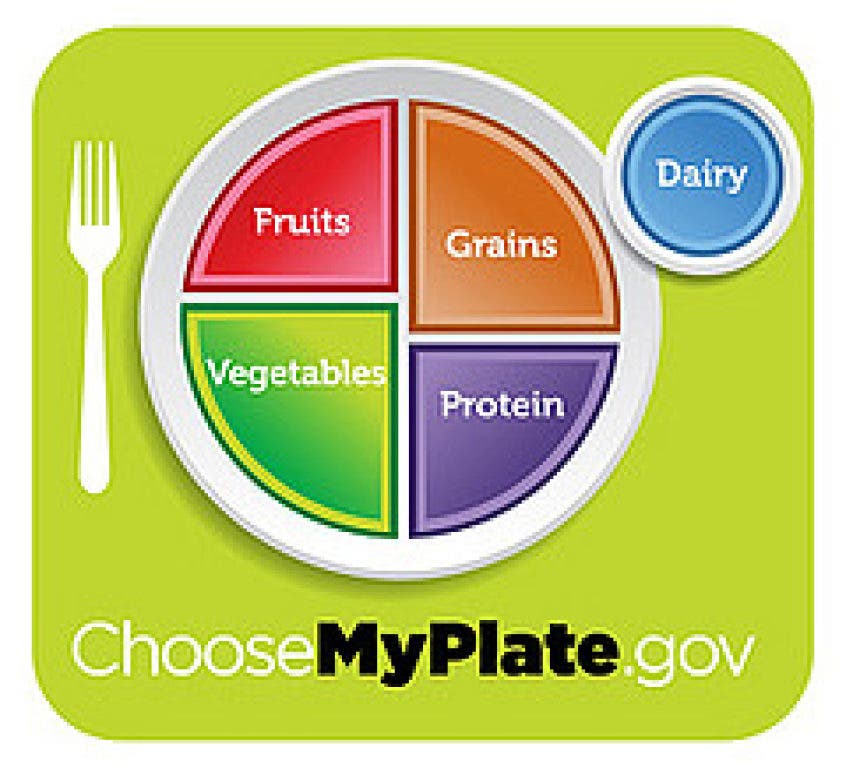

On June 2, the U.S. Department of Agriculture released an entirely new version of the highly criticized food pyramid. Why does this matter to us?
It matters because the government has a responsibility to protect its citizens from all enemies foreign and domestic, including ourselves. So, if our fork is the threat to our security, it needs to be reckoned with.
Growing waistlines are costing us all dearly, in health care, social security, and our reputation as gluttons.
Find out what's happening in Diamond Bar-Walnutfor free with the latest updates from Patch.
The fat American with a cigar and gas guzzling vehicle has put a blight on the so called American dream, reducing American citizens to reckless consumers that have no concept of self control.
Enter the USDA to save us from ourselves with its new MyPlate food system.
Find out what's happening in Diamond Bar-Walnutfor free with the latest updates from Patch.
From 1958, the USDA's food guide was a rectangle illustrating five food groups: dairy, meat, fruits and vegetables, and grains. In 1992, after a year of extraordinary debate, the USDA released its highly controversial Food Guide Pyramid. Why the controversy?
The food industry found it objectionable, because the grains group at the bottom portion of the pyramid received the most attention than the others. As we know, food companies are very competitive, and do not like their product to receive any negative publicity. Nutritionists also objected however, that too many servings of grains would encourage obesity.
In 2005, the USDA made everyone happy with the MyPyramid redesign. There was no hierarchy in food choices, but it did not do enough to inform diet choices because it did not differentiate between the food categories.
This year, a new design has taken shape. It is circular, like a dinnerplate, and also gives more needed attention to fruits and vegetables. Maybe most surprising, is the modest dairy portion.
The new circular chart is called MyPlate. It is split unequally four ways. The circular plate version of the old pyramid is designed to give a fast and easy reference to a healthy diet.
It has four color coded sections for fruit, vegetables, grains, and proteins. Dairy will not be included on the plate, but alongside, suggesting a cup of yogurt or milk.
Along with the dinner plate version of the old pyramid, will be a six-part guide to healthy eating. For example, to balance calories, the government is asking that we eat less, and avoid oversized portions.
We should increase certain foods such as fruits and vegetables, making them half of the plate at mealtime, and switch to low fat dairy. The foods we are asked to reduce are salt, in all packaged foods as well as the saltshaker, and to drink water instead of sugary drinks.
The USDA's press announcement explained:
“The 2010 White House Child Obesity Task Force called for simple, actionable advice to equip consumers with information to help them make healthy food choices. As a result, USDA will be introducing the new food icon to replace the MyPyramid image as the government's primary food group symbol. It will be an easy-to-understand visual cue to help consumers adopt healthy eating habits consistent with the 2010 Dietary Guidelines for Americans.”
Dr. Andrew Weil, a well-respected wellness MD critiqued the new design on his blog to Huffington Post, writing:
“We'd be much healthier as a nation if we stopped worrying so much about fats, and instead made a concerted effort to avoid processed, quick-digesting carbohydrates — especially added sugars.”
Local Chino registered dietician, Rossia Tin Cheng, had this to say about MyPlate:
“I am somewhat excited about the new Dinner Plate Guide. The last food pyramid guide is confusing but the current dinner plate guide is easy to follow. It is impractical in the sense that it does not include any sugar and fat which we enjoy and need, even in small amounts. Also, the included four food groups of fruit, vegetables, starch and protein are somewhat equally divided. Nevertheless, we still need to strive to eat right most days plus exercise as a lifestyle for our health and wellness.”
There is much more to being healthy than our food intake, but no amount of exercise can balance a poor diet. As individuals, we need to make a concerted effort to change our bad habits.
We owe it to ourselves and the generations after us. Our children are fatter than ever, and Michelle Obama has taken on the task of reversing some of that damage.
This is a time for all of us take a look at our dinner plate. The old fashioned 16 oz. slab of beef, whole potato, and veggies as a garnish must be thrown out. The new way of eating, in line with our computer-driven lifestyles, should balance our sedentary ways.
Two cups of vegetables, a half cup of whole grain, and a palm-sized portion of lean meat will do the trick. Five to nine servings of fruits and veggies per day and a small portion of low fat dairy.
That is just the tip of the iceberg, though. If you were to feed your body the nourishment it needs for maximum health and energy, there is much more involved.
Stay tuned to next week’s article on SuperFoods.