The overly corporate-led form of globalization that we see today also affects how natural resources are used and what priorities they are used for.
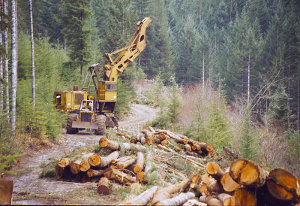
It is true that cutting down forests or converting natural forests into monocultures of pine and eucalyptus for industrial raw material generates revenues and growth. But this growth is based on robbing the forest of its biodiversity and its capacity to conserve soil and water. This growth is based on robbing forest communities of their sources of food, fodder, fuel, fiber, medicine, and security from floods and drought.
We hear more about sustainable forestry practices by the large logging multinationals. However, what does that really mean? Who is it sustainable for? Society and the environment, or for the logging companies? By replanting trees that will grow quickly and allow them to be felled for “sustained” logging sounds like a good strategy. However, the trees that are favored for this (eucalyptus) require a lot of water to grow so quickly. As John Madeley points out:
Find out what's happening in Diamond Bar-Walnutfor free with the latest updates from Patch.
[T]he [eucalyptus] trees achieve this rapid growth by tapping large quantities of groundwater, impoverishing surrounding vegetation and threatening to dry up local water courses.
— John Madeley, Big Business Poor Peoples; The Impact of Transnational Corporations on the World’s Poor, (Zed Books, 1999) p.76.
Find out what's happening in Diamond Bar-Walnutfor free with the latest updates from Patch.
Madeley continues by describing the impact that the use of chemicals to treat woodpulp from the eucalyptus has on local fisheries and on food production. This has had terrible effects on indigenous people within such regions.
10 years on from the above, Inter Press Service notes similar things, as activists around the Amazon complain about tree plantations.