Usually, when I’m watching a TV sitcom like The Big Bang Theory, I’m not very aware of the background laughter that erupts every time something humorous is said. But when I’m away from the TV, but still listening, I can hear that insane, artificial laugh track giving its stamp of approval over and over again.
Are any of you surprised that the laughter on every current TV sitcom is artificial? That the canned laughs are added after the scenes are taped?
The laugh track would be added by some sound technician who might have five laugh selections to choose from: (1) a few laughs to reward faintly funny dialog (2) laughter from five or more people to recognize a funny line (3) laughter from a dozen laughers to point out an especially humorous situation (4) movie-theater sized laughter and (5) sustained and loud laughter with clapping when a scene has built to a really funny climax.
Find out what's happening in Dixonfor free with the latest updates from Patch.
Do we really need to be nudged along to think that some dialog is funny? Does a laugh track fulfill the same function as when someone nearby yawns and we involuntarily yawn too? Or when someone clears his throat and we feel the need to do it too?
My criticism is that the producers and directors of sitcoms suffer from an inferiority complex and don’t think their programming is funny enough to stand on its own. They worry about ratings and competing against other programs using laugh tracks.
Find out what's happening in Dixonfor free with the latest updates from Patch.
Consider the taped nighttime shows by Jay Leno, David Letterman et al, where audience laughter is pretty genuine. I sat in the audience for a Letterman show in New York once, and sure, the audience is prepped somewhat and is ready to laugh, but if the jokes were really bad, you know it from poor audience response.
Imagine using canned cheering to make live football games on TV more exciting, or evangelist TV programs with canned “Amens” and clapping. Imagine comedians on the Comedy Channel performing on stage in small venues with artificial whistling, cheers and laughter.
Imagine a fishing show on a sports channel with a hooting and hollering sound track when that 10-pound bass is landed.
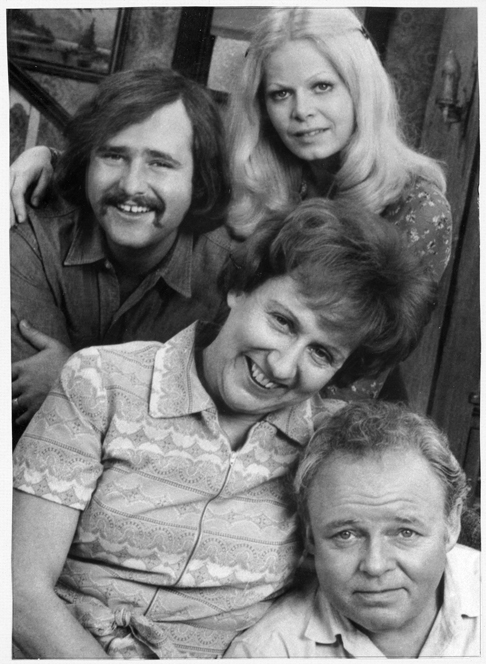
Many of you aren’t old enough to know, but during the 1970s there was a number-one-rated program called All in the Family, featuring a bigoted father, a doting but sometime rebellious mother, and their young daughter and her hip husband. There was always the announcement that the program was performed and taped before “a live studio audience.” Putting it another way, no laugh track was used. Due to the relevancy of the plots, which dealt with racism, sex, abortions, politics, and so on, and the quality of the humor, the program ran for nearly a decade.
Toward the end of the program’s run, the taped show was shown to an audience on TVs and their laughter (or lack of it) was added to the program. This technique could be used for sitcoms today, if they were brave enough to use it.
Let’s free up laughter to be genuine.