Health & Fitness
Patch Blog: How to Handle Scars
Local beauty blogger and esthetician Vanessa illustrates the ways to fade and remove scars from your complexion.
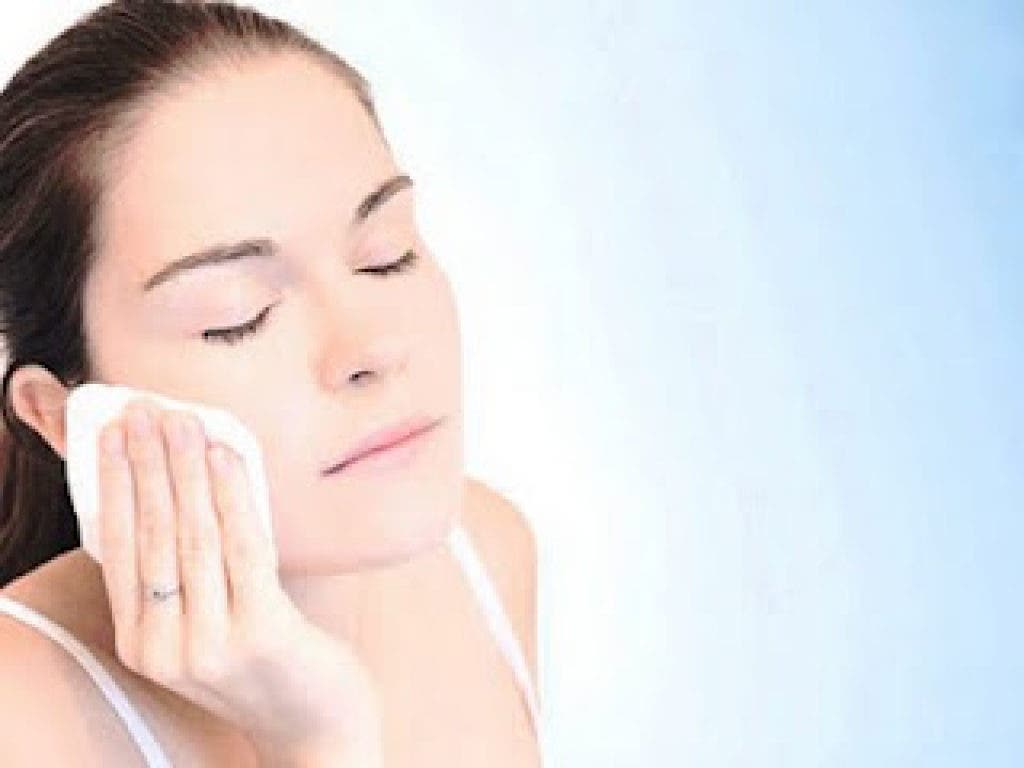
Many say that scars give character, but few of us look so kindly upon them when they mark our own face or body. Different types of scars require different treatment, and some fail to respond to any.
Discolored Acne Scars
Discoloration resulting from acne (technically called postinflammatory hyperpigmentation) is one of the easiest types of scarring to improve. These marks can be faded by one or a combination of at-home products—including glycolic products, prescription tretinoin, vitamin C, kojic acid, and hydroquinone—as well as light treatments such as microdermabrasion or dermaplane.
Find out what's happening in Eagle Rockfor free with the latest updates from Patch.
To speed up progress or tackle more resistant cases, a light peel designed specifically for hyperpigmentation dramatically improve an acne-scarred complexion in a single week. These solutions apply to face and body. It is best to tackle these scars earlier, and be careful about UV exposure, which will darken the scars, making SPF a must-have component of your skin-brightening regimen.
Acne Scars Involving Texture Differences
Find out what's happening in Eagle Rockfor free with the latest updates from Patch.
Textural scars from acne, such as pitted and ice pick scars, require more invasive treatments. An at-home regimen of tretinoin prescribed by a physician is usually the place to begin. This should be followed by a consult with the doctor about laser resurfacing or dermabrasion. These services both require downtime to care for your compromised post-procedure skin, but effective results and your new smooth complexion make it worth the trouble.
Raised Scars
Hypertrophic scars are raised and white. These can sometimes be prevented but rarely can be improved. Proper wound care, including the use of silicone sheets or other silicone-based products, makes one far less likely to suffer a scar after healing.
If you are bothered by an existing hypertrophic scar, it is worth a trip to a surgeon—surgery may be able to improve it. Do not waste your money on products or salon or spa services. No over-the-counter products or lightweight services will decrease the size or help re-pigment the scar.
Most importantly, learn to love yourself regardless of your imperfections. In my skin care practice I have seen thousands of faces, from Eagle Rock to Beverly Hills to New York and beyond. I can assure you that the majority have scars and imperfections. Bouts of chicken pox, stories of running into walls, elaborate roller-skating accidents— the causes are endless.
I myself ran into a tree branch chasing down a butterfly when I was five and still have the mark to prove it next to my eye. Embrace technology to improve yourself when you can, but make peace with that which cannot be altered. We are only human after all.