Health & Fitness
Echo Park Man is LA's First West Nile Victim of the Year
An elderly Echo Park man is recovering after contracting the county's first human case of West Nile Virus in 2016.
LOS ANGELES, CA - Los Angeles County health officials today confirmed the first human case of West Nile virus in the area for the 2016 season.
The patient is an "elderly" man in the Echo Park area, and he was hospitalized in late June and is recovering at home, according to the county Department of Public Health. The man had no prior medical history.
"This serves as a warning to residents that West Nile virus is a serious disease that may require hospitalization and can even result in death for some individuals," according to Dr. Jeffrey Gunzenhauser, the county's interim health officer. "Elderly persons and other people with weak immune systems are at highest risk of developing severe illness. Protect yourself from mosquitoes by using insect repellent containing an effective ingredient such as DEET, and eliminating any stagnant water around your home where mosquitoes can breed. Do it for your kids. Do it for your grandkids. Do it for yourself."
Find out what's happening in Echo Park-Silver Lakefor free with the latest updates from Patch.
In 2015, there were 300 human infections in the county health department's jurisdiction, including 24 fatalities. Most of the patients were older adults who developed illnesses such as meningitis and encephalitis. Cases are generally reported between July and October or early November.
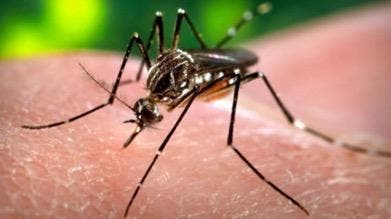
Mosquitoes typically become carriers of the virus after feeding on an infected bird and can then spread the potentially lethal strain to animals and humans.
Find out what's happening in Echo Park-Silver Lakefor free with the latest updates from Patch.
Those at greatest risk include seniors and individuals with compromised immune systems.
Symptoms may never materialize, but can include fever, headache, nausea, body aches, skin rashes and swollen lymph nodes.
To reduce exposure to West Nile virus, residents are urged to:
- spend as little time as possible outdoors at dawn or dusk, when mosquitoes are generally on the move;
- wear pants and long-sleeved shirts during outdoor activity;
- use insect repellent;
- ensure door and window screens are fitted properly to keep bugs out; and
- get rid of standing water, aside from pools properly treated with chemicals.
City News Service