Neighbor News
California ADU Program 2026: Grants, Laws & Costs for Homeowners
Learn about the California ADU program for 2026. Get the facts on CalHFA grants, new state laws, build costs, and permit timelines.
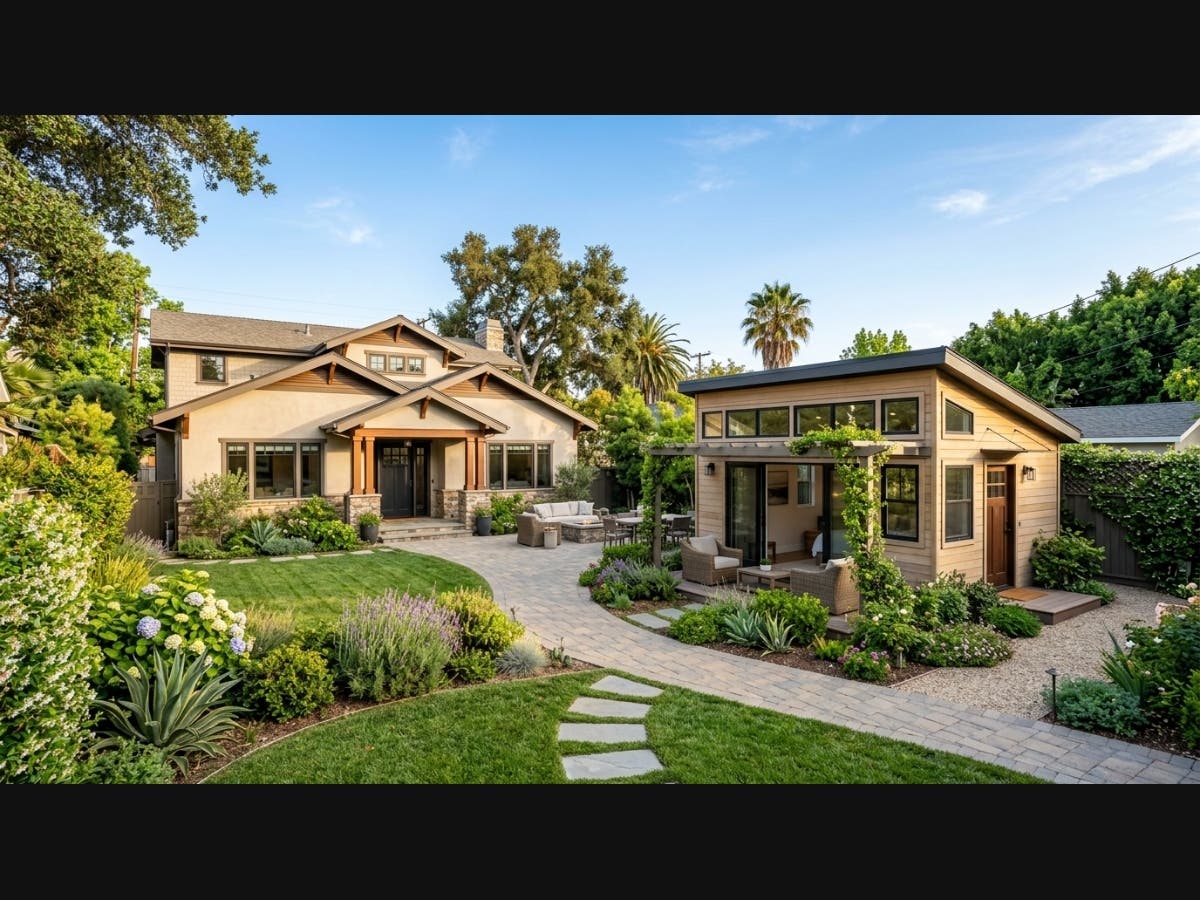
California is in the middle of a housing shift. More homeowners are adding accessory dwelling units, also called ADUs, to their properties. These are also known as backyard units, granny flats, in-law suites, or secondary dwellings. They sit on the same lot as your main home. In 2026, building an ADU in California is easier than ever before. New state laws protect homeowners from delays. Permit timelines are shorter. Financing options keep growing.
This guide covers everything you need to know. You will learn about the state of the California ADU program in 2026, how to fund your project, what new laws mean for your build, and how to get started step by step.
The State of ADUs in California in 2026
Find out what's happening in Elk Grovefor free with the latest updates from Patch.
California has issued more than 80,000 ADU building permits since 2016. That number keeps climbing every year. The state pushed this growth by removing local roadblocks and setting strict rules that cities must follow.
The goal is clear: California needs more housing. ADUs are one of the fastest and most affordable ways to add housing without buying new land. Cities cannot say no to most ADU applications. They must approve or reject them within 60 days.
Find out what's happening in Elk Grovefor free with the latest updates from Patch.
As a homeowner, this matters to you. It means less red tape. It means a faster project starts. And it means more protection if your local building department tries to stall your application.
Key Fact: Over 80,000 ADU permits have been issued in California since 2016, with annual permit numbers rising each year.
California ADU Grants in 2026: What You Need to Know About the CalHFA Program
Many homeowners search for the CalHFA ADU grant. This was a state program that paid up to $40,000 toward pre-development costs. That money covered things like architecture drawings, soil reports, and permit fees.
Here is the honest truth: the CalHFA ADU grant program is not accepting new applications in 2026. All the money ran out in December 2023. The California Housing Finance Agency has not opened a new funding round.
This is important to know before you start planning. Some consultants and websites claim they can get you access to this grant. The CalHFA itself warns that these claims may be scams. Never pay upfront fees to someone promising guaranteed grant money. Always check the official CalHFA website directly at calhfa.ca.gov.
So the grant is gone for now. That does not mean you have no options. It just means you need to look at other funding paths.
Real Financing Options That Work in 2026
Even without the state grant, homeowners have several solid ways to pay for their backyard unit project.
Home Equity Lines of Credit (HELOCs)
A HELOC lets you borrow against the value already built up in your home. You access funds as you need them. Interest rates vary, but you only pay interest on what you draw. This is one of the most common ways Californians fund secondary suite construction in 2026.
Fannie Mae Home Style and Freddie Mac CHOICE Renovation Loans
These are renovation loan products tied to your primary mortgage. Here is the key benefit: they let you borrow based on the expected value of your home after the ADU is complete. This is called the future appraised value. It can unlock more money than your current equity allows.
FHA ADU Loan Guidelines
The Federal Housing Administration (FHA) allows lenders to count 75 percent of the expected ADU rental income toward your qualifying income. This helps you meet debt-to-income requirements even if your current income alone would not qualify.
Local Municipal Programs
Some California cities still offer their own smaller programs. San Diego, Pasadena, Santa Cruz, and several Bay Area cities have deferred loans or fee waivers. These are limited and competitive. Contact your city planning department directly to ask what is available in your area.
Key Fact: Most California homeowners now finance ADU construction through HELOCs, cash-out refinancing, or renovation loans, since the CalHFA state grant remains closed.
New California ADU Laws That Took Effect in 2026
The 60-Day Mandatory Approval Rule
State law requires cities to approve or deny your ADU permit application within 60 days of receiving a complete application. This is called ministerial approval. The city cannot hold public hearings. Your neighbors cannot formally object. The review is based only on code compliance.
If the city misses the 60-day deadline, your application may be considered automatically approved. This law gives you real power. Keep records of when you submitted your complete application.
Coastal Zone Streamlining (AB 462)
California homeowners near the coast used to face long delays from the California Coastal Commission. Building a backyard unit in a coastal zone could take years due to appeal processes. AB 462 changed this. It forces cities to issue Coastal Development Permits for ADUs within the same 60-day window. It also removes the ability to appeal these permits to the Coastal Commission. This saves coastal homeowners months or even years of waiting.
Permanent Ban on Owner-Occupancy Requirements
California permanently ended the rule that required property owners to live on-site to rent out an ADU. As a homeowner, you can now rent out both your main home and your secondary dwelling at the same time without living on the property.
Unpermitted ADU Legalization (AB 2533)
Many California homeowners have garage conversions or converted in-law spaces that were never permitted. AB 2533 created a clear path to legalize these structures. The unit must have been built before January 1, 2020. Cities must provide a simple health-and-safety checklist rather than demanding full modern code upgrades. This protects homeowners with older structures from prohibitive renovation costs just to get a permit.
Multifamily Property Expansion (SB 1211)
If you own an apartment building or a duplex, SB 1211 is a major win. Before this law, multifamily lots could only add two detached ADUs. Now you can build up to eight detached units on one lot, as long as the total ADU count does not exceed the number of existing units. Cities cannot require you to replace parking stalls when you use surface parking areas to build these new units.
Zoning, Setbacks, and Size Limits in 2026
How Big Can Your ADU Be?
State law sets minimum size allowances that cities must honor:
- A one-bedroom detached ADU must be allowed at a minimum of 850 square feet.
- A two-or-more bedroom detached ADU must be allowed at a minimum of 1,000 square feet.
- Most detached units max out at 1,200 square feet under current rules.
- Junior ADUs (JADUs), which are units inside your existing home, cap at 500 square feet.
How Close to the Property Line Can You Build?
Cities cannot require more than a 4-foot rear or side-yard setback for a newly built detached unit. If you are converting an existing garage or structure, the setback rules are even more relaxed. Many converted garages sit at zero setback from the property line.
Do You Need Extra Parking?
In most cases, no. State law eliminates parking requirements for ADU projects within one-half mile of public transit. Even outside transit zones, many ADU types are still exempt from added parking requirements.
What Does It Actually Cost to Build in 2026?
Key Fact: California ADU construction costs in 2026 range from $250 to $650 per square foot depending on location, site conditions, and finish level.
Here is a realistic breakdown of all-in costs for a typical Sacramento-area detached secondary suite:
| Cost Category | Estimated Range |
| Architecture and engineering | $8,000 to $18,000 |
| Permit and impact fees | $4,000 to $15,000 |
| Site prep and grading | $25,000 to $55,000 |
| Construction or prefab unit delivery | $120,000 to $220,000 |
| Sewer, water, and electrical connections | $15,000 to $35,000 |
| Interior finishes and appliances | $20,000 to $40,000 |
Good news on fees: if your backyard unit is under 750 square feet, California law exempts it from city and county development impact fees. This can save you $10,000 to $30,000 depending on your location.
Also, building an ADU does not trigger a reassessment of your main home's property tax. Under Proposition 13, only the contributory value of the new ADU is added to your tax bill.
Energy Code Requirements Under Title 24
All new ADU construction in California must meet the 2022 California Energy Code, also called Title 24. This affects your build in real ways:
- Your project must be all-electric. No new gas appliances.
- A heat pump water heater is required in most new detached builds.
- Solar panels are required on most new detached units over a certain size.
- EV charger readiness (a dedicated 240V circuit) is required.
- High-performance insulation and window glazing are mandatory.
Working with a builder experienced in Title 24 compliance helps avoid costly corrections during the final inspection.
Looking to plan your ADU project from the ground up? Explore our full ADU Design-Build services at Burnette Construction to see how we handle permitting, design, and construction as one seamless process.
Step-by-Step: How to Start Your California ADU Project in 2026
Step 1: Run a Feasibility Check Look at your lot. Check coverage limits, easements, utility lines, and slope. Not every lot works for every ADU type. This step saves you money before you hire an architect.
Step 2: Choose Your Construction Type Stick-built custom construction gives you the most design freedom. Prefab or modular ADUs ship from a factory and install faster, usually in three to five months total. Garage conversions cost the least upfront. Each path has trade-offs.
Step 3: Use Pre-Approved Plans When Available Many California cities now offer pre-approved ADU plan libraries. These are ready-to-use building designs vetted by the city. Using one can cut your permit timeline from months down to two or three weeks.
Step 4: Submit Your Application A complete application triggers the 60-day shot clock. Make sure all required documents are included at submission. Missing items reset the clock.
Step 5: Build and Pass Final Inspection Work with your contractor to schedule rough inspections and final inspections. You need a Certificate of Occupancy (COO) before any tenant can legally move in.
Is Building an ADU Right for You?
An ADU can earn you $2,000 to $2,800 per month in Sacramento, $1,500 to $3,500 in the Bay Area, and $2,000 to $4,500 in Los Angeles. That is meaningful monthly income. It can pay off your construction loan, help a family member live nearby, or boost your property value long term.
The 2026 legal landscape is the most homeowner-friendly it has ever been. Permit timelines are tighter. Fees are lower for smaller units. Cities have fewer tools to delay or deny your project.
If you are ready to explore what is possible on your property, the next step is a site feasibility assessment.
Frequently Asked Questions
Can I sell my ADU separately from my main home in California? Yes, but only in cities that have adopted AB 1033 ordinances. As of 2026, cities including San Jose, San Diego, San Francisco, Oakland, and Berkeley have opted in. Many cities have not. Check with your local planning department before counting on this option.
Does building an ADU trigger a full property tax reassessment? No. Proposition 13 protects your existing home from reassessment. Only the added value of the new ADU is factored into your property tax bill.
Is the CalHFA $40,000 grant still available? No. All funding was exhausted in December 2023. The program is not accepting new applications as of 2026. Monitor calhfa.ca.gov for any future funding announcements.
How long does it take to get a permit? State law requires a decision within 60 days of a complete application. Using pre-approved city plans can speed this up to two to three weeks in many jurisdictions.
What is the smallest ADU California allows? For a detached unit, state law guarantees at least 850 square feet for a one-bedroom unit. For JADUs built inside your existing home, the cap is 500 square feet.