Community Corner
Creating a City from a Country Town
What is lost and what is gained when our rural areas become suburbs?
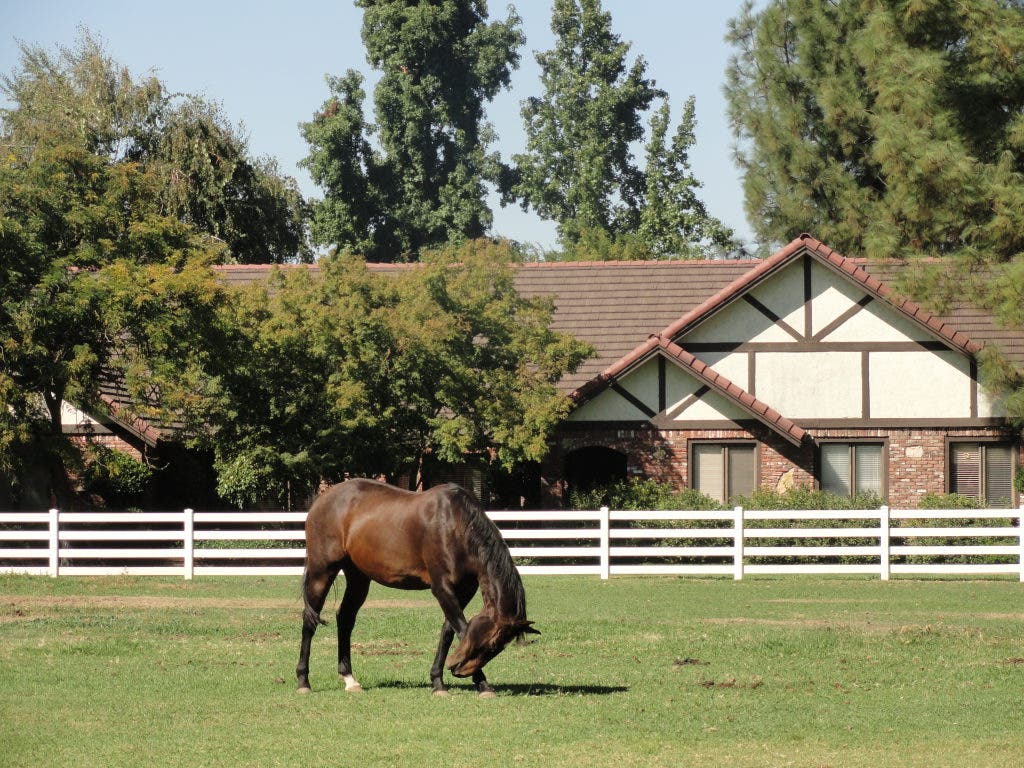

During the Christmas break, I spent a fair amount of time driving to Rancho Murieta, and that took me through parts of Elk Grove that I rarely see: specifically, the Elk Grove of old. I don’t mean just Old Town, but the Elk Grove that existed before—as a friend of mine would put it—the planting of houses took over the planting of fields.
In my everyday trips around our city, I’m mostly wending my way through the warren of streets and courts and ways that make up the planned communities and shopping areas that the developers have created in fashioning the new Elk Grove. It’s a lot of beige and stucco and concrete, with trees and shrubs of varying heights depending on the vintage of the neighborhood.
However, if you drive out on Bruceville south of Whitelock or Elk Grove Blvd east of Bradshaw, there still lives the Elk Grove of ranches and farm land. Acres upon acres of fields planted and bare, paddocks and stables, barns and chicken coops, single family homes—some grand at the end of long drives and some quite worn, but with a character that speaks of rural life. Seeing it, I can understand how those who have lived here before the 21st Century might come to view those of us who are new as spoilers of the land.
Find out what's happening in Elk Grovefor free with the latest updates from Patch.
When I first moved to the Sacramento area, it was to Amador County. Once there, thanks to close friends who were natives, I settled into the community almost as if I’d been born there. I loved the rolling hills with the Sierras in the distance, the nooks and crannies of a terrain formed by both nature and man. When I arrived in Amador, I believe there were some 10,000 inhabitants; in Jackson, where I lived, the sign claimed a population of about 1,700. The town offered a version of country life that reminded me of my childhood in Pennsylvania, and I became, as the natives were, quite protective of it. That is to say, we called the weekend tourists Flatlanders, laughed at their city ways, and said good riddance every Sunday afternoon as they began their journey back to civilization. That there could be any more permanent intrusion of the Flatlanders was anathema; it was also just over the horizon.
I used to joke that I’d leave Amador when we got our first stoplight. I got out just before that in 1992, and now I couldn’t tell you how many stoplights there are in the county. Route 49 no longer meanders through the mining towns that are themselves antique artifacts; there’s a spiffy new bypass so traffic can zoom through, enabling the new residents of the new Amador to get to and from their work with only a modicum of trouble. But for me, the Amador that I knew and loved is no more.
Find out what's happening in Elk Grovefor free with the latest updates from Patch.
And that, I imagine, is how a lot of native Elk Grovians feel as well. If I squint as I drive on some of the backroads in our city, I can see what it must have been like before all the building began. I can then understand why some of the commenters on Patch sound so querulous, so impatient with the needs and wishes and thinking of those of us who are new.
I go back to the goals that were set out when the General Plan for the city was written back in 2000: “The future is envisioned by the residents to continue to reflect the attributes which brought them to the community: a diversity of high quality residential and commercial areas in a rural setting, a high level of public services provided by the City Elk Grove, and a pleasing environment in which to live and work. The future will also provide more shopping opportunities (including a regional mall), increased employment opportunities, and an increased tax base to support City government and the services it provides.”
I know there were those who fought this cityhood. Reading the General Plan, you can sense the conflict between those who wanted to maintain Elk Grove as a rural pocket just south of Sacramento and those who wanted to take advantage of its location and land to build a thriving suburb. Maintain the status quo or move into the future? The latter won.
However, now in 2012 that future is here, and I wonder how longtime residents of Elk Grove feel about it. What exactly has been lost—and by whom? What precisely has been gained—and by whom? Did the founders make a deal with the devil to create our city? Or is the erasure of the old ways just the normal course of civilization?