Community Corner
On the Job with the Men and Women in Blue
Our columnist begins her 16-week foray inside the Elk Grove Police Department.
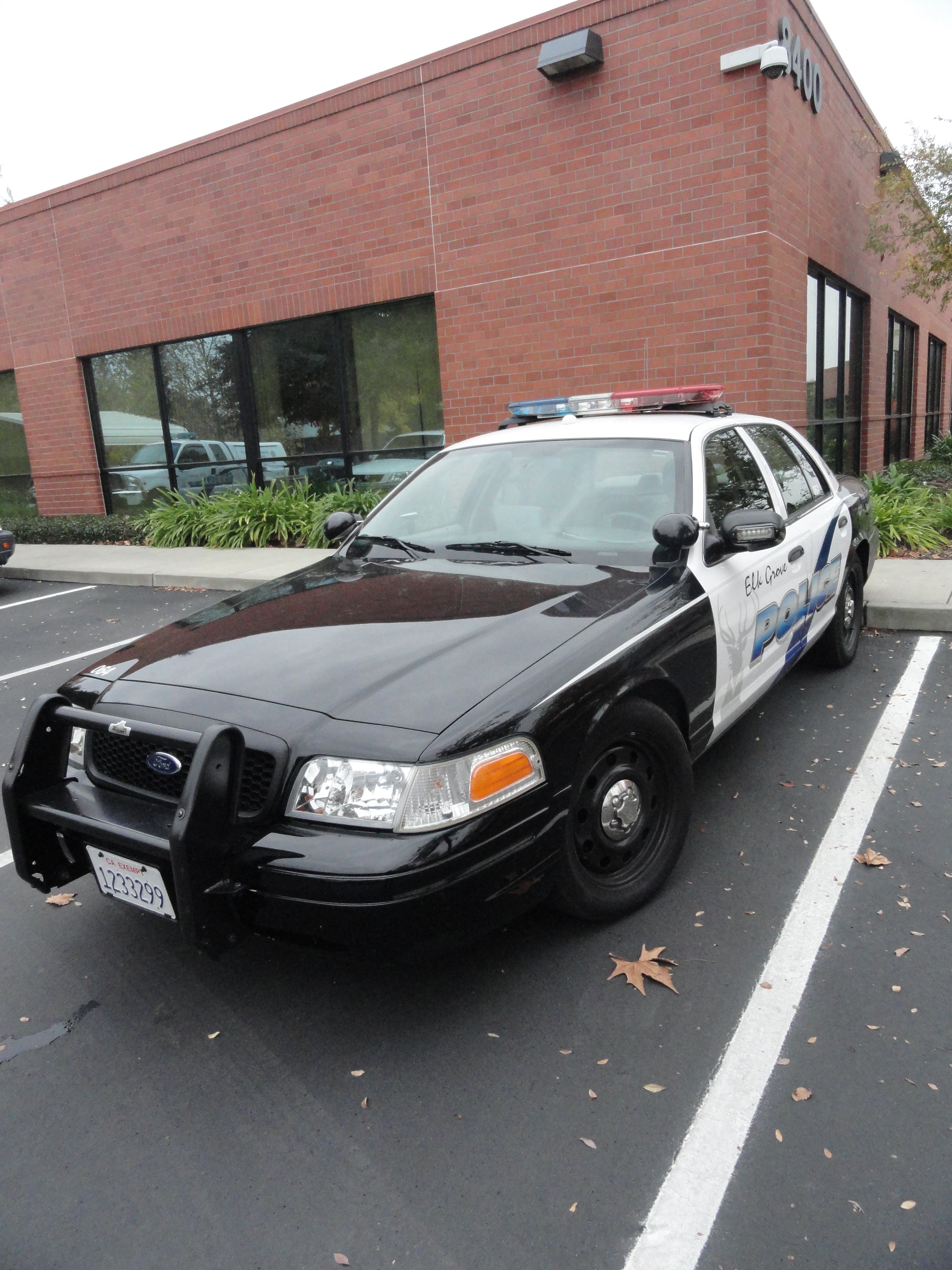
My first big assignment when I was playing Lois Lane in Los Angeles was the police beat. I got it because I was young and green and my editors figured I would mess up in some spectacular way that they could capitalize on. This was the '70s and I was a radio reporter at KPFK. If you know your radio—or your '70s—then you know that KPFK, along with the other Pacifica Stations, was a hotbed of counterculture journalism. I, on the other hand, was anything but. My role model was Mary Tyler Moore: I was “nice” and my clothing matched.
When I got assigned to do a ride-along with the Los Angeles Police Department for a documentary KPFK was producing, I was a latecomer to the team. I’m not sure how much research they had already done or where my ride-along fit into it. It is indicative of the tenor of the times and the relationship between the media and law enforcement that the documentary had already been titled, “The Tarnished Badge.”
My role, which I only learned when my safe return back to the radio station was greeted with disappointment, was to be a kind of tease mare, nubile bait that would lure the barely-controlled cop I was riding with to force himself on me in a way that would make for lurid radio listening. It didn’t happen. The sergeant I rode with was quite professional throughout and instead, that night began, for me, a fascination with law enforcement.
I spent the next several years covering the police beat for the LA Free Press and as I got to know the department, I marveled at the kind of person it takes to, first, be a cop and, second, stay a cop. It’s something I could never do. For one, I have no interest in creating the physical self required for the job. For another, I’m a scaredy-cat. The thought of plunging head-first into a room where bad people with guns are waiting to ambush me—well, I can barely watch it on TV.
It’s been several decades since I covered the LAPD and much has changed. For one, rather than guarding their territory and keeping the citizens at arms’ length, many police departments, including our own, are now actively working to integrate the department and the community it serves. I wasn’t aware of this when I signed up to go to the Elk Grove Police Citizens’ Academy, a four-month course for civilians about the department, but the message was loud, clear and constant from the three men who welcomed the 20 or so Elk Grove residents last week for our first class.
Chief Robert Lehner, Captain Bryan Noblett, and Officer Jason Jacobo, who leads the Academy, all said in a number of different ways that the goal of the Citizens’ Academy is:
“to educate you on the role and function of the various disciplines within the Elk Grove Police Department as well as increase communication between the department and the community. We want to show you what we can do for the community and how we accomplish our mission. In addition, we want to learn how we can better serve the citizens of Elk Grove.”
In fact, Chief Lehner warned us that at our graduation, he will be asking us two questions that we should be prepared to answer. At that, the half of us who are perennial good students got our pens poised to write down the questions: “Did you have fun? Did you learn something?”
Each class is three hours long and it’s a full syllabus, including Ride-Alongs and Crime Scene Investigation, Communications-Dispatch and Hostage Negotiation. It is—another word the three men use a lot—”interactive.” Over the next 16 weeks, I’ll be reporting back from time to time on how my training is going. I expect you to come with me. In fact, make the Chief happy: Send me your questions and I’ll ask them.
When I applied to the Citizens’ Academy and told them that I had covered LAPD as a journalist, the officers responded with variations of “It’s kinda different here.” What they mean, I think, is that Elk Grove doesn’t have the quantity of crime and therefore the intensity of issues that the LAPD faces. That’s true. But my theory is being a cop is being a cop, no matter where you do it. Let’s see if I’m right.