Neighbor News
Signs of Gutter Problems | Prevent Water & Foundation Damage Today
Common signs of gutter problems include sagging gutters, water overflow, foundation pooling, fascia rot, and interior water.
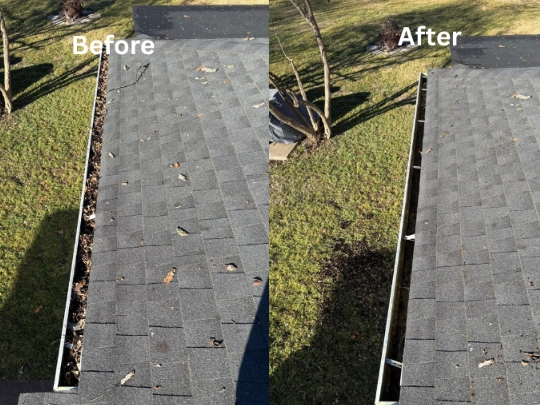
Signs of Gutter Problems Every Homeowner Should Never Ignore
The signs of gutter problems are essential for protecting a home’s structural integrity, exterior surfaces, and foundation stability. Gutters are not decorative components; they are part of a residential water management system designed to channel rainwater safely away from the property. When gutters fail, water follows gravity, and gravity always finds the weakest point of a structure.
Many homeowners only recognize gutter issues after visible damage appears, but by that point, underlying problems such as moisture intrusion, wood rot, or foundation erosion may already be developing. Recognizing early warning signs allows for timely preventive maintenance, reducing long-term repair costs and preventing extensive structural damage.
Why Identifying Gutter Problems Early Matters
Early detection of gutter system failures plays a critical role in maintaining a home’s overall health. Gutters are directly connected to the roofline, fascia boards, siding, and foundation. When they malfunction, water is redirected toward areas never designed to handle sustained moisture exposure.
How Gutters Protect Your Roof, Walls, and Foundation
A properly functioning gutter and downspout system collects rainwater from the roof surface and directs it away from the home’s perimeter. This controlled drainage prevents water from saturating roof edges, fascia boards, and exterior walls. It also protects the foundation footing by preventing pooling water that can seep into basement walls or crawl spaces.
Without effective gutters, rainwater cascades directly off the roof, accelerating soil erosion, damaging landscaping, and increasing hydrostatic pressure against foundation walls. Over time, this can lead to foundation cracks, basement leaks, and long-term structural instability.
Find out what's happening in Elk Grovefor free with the latest updates from Patch.
Long-Term Risks of Ignoring Gutter Damage
Ignoring early gutter warning signs allows minor issues to evolve into significant structural threats. Persistent water exposure can cause wood rot in fascia and soffits, compromise roof decking, and encourage mold and mildew growth. Moist environments also attract pests, including termites and carpenter ants, which thrive in damp wood.
Unchecked gutter problems often result in interior water damage, such as stained ceilings, peeling paint, and warped drywall. These symptoms indicate that moisture has already breached the home’s protective envelope.
Cost Comparison: Early Gutter Repair vs Structural Repairs
From a financial perspective, early gutter repair services are significantly more affordable than large-scale structural remediation. Simple fixes such as rescuing loose gutters, clearing debris, or sealing seams cost a fraction of what homeowners pay for foundation repairs, mold remediation, or roof replacement. Preventive gutter maintenance is one of the most cost-effective investments in homeownership.
Find out what's happening in Elk Grovefor free with the latest updates from Patch.
Most Common Signs of Gutter Problems
The most reliable way to diagnose gutter issues is by recognizing visible symptoms, water behavior patterns, and physical deterioration indicators. These signs often appear gradually and worsen over time if left unaddressed.
Visible Structural Damage to Gutters
Structural deterioration is often the first category of gutter failure indicators homeowners notice.
Sagging or pulling-away gutters are a strong sign that the system is overloaded or improperly secured. This condition usually results from debris accumulation, weakened fasteners, or rotting fascia boards that no longer support the gutter’s weight.
Cracks, holes, and rust formation indicate material degradation. Small cracks allow water to escape during rainfall, while rust signals advanced corrosion in metal gutters. Over time, these weak points expand, leading to continuous leakage along the roofline.
Loose brackets, hangers, or fasteners reduce the gutter’s ability to maintain proper alignment. When gutters lose structural support, they cannot maintain correct pitch, which directly affects water flow efficiency.
Separated seams and joint failures are common in sectional gutter systems. These failures cause water to drip at connection points, often soaking fascia boards and exterior walls below.
Water Flow and Drainage Issues
Abnormal water behavior during rainfall is one of the clearest functional signs of gutter problems.
Overflowing gutters during rain indicate blockages or insufficient drainage capacity. When water spills over the edges, it defeats the entire purpose of the gutter system and directs water toward vulnerable areas.
Standing water inside gutters suggests improper slope or sagging sections. Gutters are designed to maintain a slight pitch toward the downspouts; any deviation results in stagnant water that accelerates corrosion and debris buildup.
Improper gutter slope or pitch prevents efficient drainage. Even a small misalignment can disrupt water movement, causing overflow, pooling, and premature gutter wear.
Downspout blockages and disconnections restrict water exit points. When downspouts are clogged or detached, water backs up into the gutter channel and spills over during heavy rainfall.
Clogged Gutters and Debris Buildup
Debris accumulation is one of the most common and preventable gutter system problems.
Leaf, pine needle, and organic debris accumulation obstructs water flow, especially in homes surrounded by trees. Over time, decomposing organic matter creates dense blockages that trap moisture.
Roof granule buildup in gutters often occurs as asphalt shingles age. These granules settle in gutters, contributing to sediment buildup that reduces water capacity and increases gutter weight.
Ice dams and seasonal blockages are common in colder climates. When trapped water freezes, it expands, placing stress on gutters, fasteners, and roof edges. Freeze-thaw cycles can crack gutters and loosen attachments, leading to long-term damage.
Exterior Warning Signs Around Your Home
While gutter damage often begins within the gutter system itself, many of the most telling indicators appear on the exterior structure of the home. These signs are typically secondary symptoms, meaning the gutter problem has existed long enough for water to affect surrounding components.
Foundation and Landscaping Damage
One of the most serious consequences of gutter failure is uncontrolled water reaching the ground near the home’s base.
Water pooling near the foundation is a clear signal that gutters and downspouts are not directing runoff far enough away. Persistent pooling increases hydrostatic pressure, which can force moisture through foundation walls and into basements or crawl spaces.
Soil erosion and landscape washout often appear as uneven ground, exposed roots, or displaced mulch beneath roof edges. This erosion destabilizes the soil supporting the foundation and can contribute to long-term settling issues.
Cracks in foundation walls, especially stair-step cracks in masonry or horizontal cracks in concrete, may indicate repeated water saturation caused by poor gutter drainage. While not all foundation cracks are caused by gutters, improper water management is a common contributing factor.
Damage to Fascia, Soffits, and Roof Edges
Gutters are directly attached to the roof’s edge, making nearby components highly vulnerable when gutters fail.
Rotting fascia boards are one of the most common exterior signs of prolonged gutter leakage. When water escapes behind or through the gutter, fascia boards absorb moisture, leading to wood decay and structural weakening.
Soffit and roofline water damage often presents as peeling paint, warped panels, or dark staining beneath the eaves. These issues indicate that water is bypassing the gutter system and flowing back toward the roof structure.
Shingle deterioration near gutters may occur when trapped water backs up under the roof edge. Over time, this compromises shingle adhesion and accelerates roof aging.
Mold, Mildew, and Biological Growth
Excess moisture creates ideal conditions for biological growth, making these indicators particularly important.
Mold or mildew on siding often develops when water repeatedly splashes against exterior walls due to overflowing gutters. These growths not only damage siding materials but also pose potential health concerns.
Algae and moss growth near gutters typically appear as green or black streaks. Their presence signals persistent dampness, which may be caused by leaking seams, overflowing channels, or clogged downspouts.
Persistent exterior moisture, even during dry weather, is a strong indicator that trapped water is not draining properly from the gutter system.
Interior Signs of Hidden Gutter Problems
Some of the most damaging gutter issues reveal themselves inside the home. These interior warning signs suggest that water has already penetrated the building envelope.
Water Damage Inside the Home
Ceiling and wall water stains often appear as brown or yellow discoloration. These stains typically form when water travels along framing members before surfacing indoors.
Peeling paint or bubbling drywall indicates prolonged moisture exposure. When drywall absorbs water, it loses structural integrity and becomes vulnerable to mold growth.
Damp basements and crawl spaces are frequently linked to poor exterior drainage. Malfunctioning gutters allow water to collect near the foundation, where it eventually finds its way inside.
Indoor Air Quality Issues
Beyond visible damage, gutter problems can affect a home’s indoor environment.
Musty odors are often the first sign of hidden moisture problems. These odors result from mold and mildew growing in damp, enclosed spaces.
Interior mold growth, especially near baseboards or along exterior-facing walls, may indicate water infiltration caused by improper gutter drainage.
Seasonal and Weather-Related Gutter Warning Signs
Certain gutter problems become more noticeable during specific weather conditions, making seasonal observation an important diagnostic tool.
Gutter Issues After Heavy Rain or Storms
Overflow during heavy rainfall suggests capacity issues, blockages, or inadequate downspout sizing. Storms often expose weaknesses that go unnoticed during light rain.
Storm-related gutter failure, such as bent sections or detached downspouts, may occur due to high winds or debris impact.
Winter Gutter Problems and Ice Dams
In colder climates, ice dams form when trapped water freezes inside clogged gutters. As ice expands, it places stress on gutter seams, fasteners, and roof edges.
Freeze-thaw damage weakens gutter materials over time, leading to cracks, leaks, and misalignment once temperatures rise.
Snowmelt and Freeze-Thaw Damage
Improper snowmelt drainage can overwhelm gutters in early spring. Repeated freeze-thaw cycles accelerate wear on both gutters and surrounding structural components.
What Causes Gutter Problems?
The root causes of gutter failure helps homeowners prevent future issues rather than repeatedly addressing symptoms.
Lack of Regular Gutter Maintenance
Neglected gutters accumulate debris, retain moisture, and place excessive weight on fasteners. Over time, this leads to sagging, leaks, and detachment.
Poor Installation or Incorrect Gutter Slope
Improperly installed gutters may lack sufficient pitch or support spacing. These installation errors compromise drainage efficiency from the start.
Aging Gutter Materials
All gutter materials have a finite lifespan. Aluminum, vinyl, steel, and copper gutters deteriorate at different rates depending on climate and maintenance.
Weather Exposure and Environmental Factors
Heavy rainfall, snow loads, temperature fluctuations, and surrounding vegetation all accelerate gutter wear and tear.
How to Inspect Gutters for Problems
Routine inspection is one of the most effective ways to detect gutter system issues before they escalate into costly repairs. Even without professional tools, homeowners can identify many early warning signs through careful observation.
Visual Inspection Checklist for Homeowners
A basic gutter inspection process begins with checking the gutter line from the ground. Uneven sections, visible sagging, or gutters pulling away from the roofline often indicate structural stress or fastening failure.
Looking inside the gutter channel reveals debris buildup, standing water, or sediment accumulation, all of which signal restricted water flow. Downspouts should be examined for visible blockages and verified to discharge water several feet away from the foundation.
Signs That Require a Closer Look
Certain indicators warrant closer attention, including recurring overflow during moderate rainfall, water stains beneath gutters, or visible rust and cracking. These symptoms often suggest systemic drainage inefficiencies rather than isolated debris issues.
Safety Tips When Inspecting Gutters
Gutter inspections should always prioritize safety. Using a stable ladder, wearing gloves, and avoiding inspections during wet or windy conditions reduce the risk of injury. For multi-story homes or steep rooflines, professional inspection is strongly recommended.
Gutter Repair vs Replacement When to Take Action
Deciding between gutter repair and gutter replacement depends on the extent of damage, material condition, and overall system performance.
When Gutter Repairs Are Sufficient
Minor issues such as loose fasteners, small leaks at seams, or localized clogs can often be resolved through targeted repairs. Seam sealing, refastening gutters, and downspout realignment are cost-effective solutions when the rest of the system remains structurally sound.
Signs You Need Full Gutter Replacement
Widespread rust, multiple cracks, persistent sagging, or recurring leaks usually indicate end-of-life gutter materials. In these cases, continued repairs become less economical than installing a new seamless gutter system designed for proper slope and drainage.
Common Gutter Repair Solutions
Typical repair methods include replacing damaged sections, upgrading fasteners, installing additional hangers, and extending downspouts to improve water dispersion away from the foundation.
Preventing Future Gutter Problems
Prevention is the most reliable strategy for extending the lifespan of a residential gutter system and protecting the home from water-related damage.
Importance of Regular Gutter Cleaning
Routine professional gutter cleaning prevents debris buildup and ensures uninterrupted water flow during heavy rainfall. Homes surrounded by trees may require more frequent maintenance.
Installing Gutter Guards
Gutter guard systems reduce the amount of debris entering the gutter channel while allowing water to pass through. While not maintenance-free, they significantly decrease clogging frequency and moisture retention.
Scheduling Professional Gutter Inspections
Periodic professional gutter inspections identify subtle issues such as improper slope, hidden leaks, or early material fatigue that homeowners may overlook.
Maintaining Proper Water Drainage
Ensuring that downspouts extend far enough from the home and that soil grading slopes away from the foundation enhances overall property drainage efficiency.
When to Call a Professional Gutter Service
Certain gutter issues exceed the scope of DIY solutions and require professional expertise.
Warning Signs That Require Expert Help
Persistent leaks, foundation water intrusion, extensive fascia damage, or recurring ice dams are strong indicators that professional intervention is necessary.
Benefits of Professional Gutter Repair and Maintenance
Professional services provide accurate diagnostics, proper installation techniques, and access to higher-quality materials. This results in longer-lasting solutions and improved system performance.
What to Expect During a Professional Gutter Inspection
A professional inspection typically includes a full assessment of gutter alignment, fastener integrity, downspout performance, fascia condition, and drainage effectiveness.
Frequently Asked Questions About Gutter Problems
How Often Should Gutters Be Inspected?
Most homes benefit from gutter inspections at least twice per year, typically in spring and fall.
Can Gutter Problems Cause Foundation Damage?
Yes. Poor gutter drainage is a leading contributor to foundation moisture issues, soil erosion, and basement leaks.
Are Gutter Guards Worth Installing?
For many homeowners, gutter guards provide long-term value by reducing debris accumulation and maintenance frequency.
What Is the Average Cost to Fix Gutter Issues?
Costs vary depending on damage severity, gutter material, and labor requirements, but early repairs are significantly less expensive than structural remediation.
Final Thoughts on Identifying and Fixing Gutter Problems
Recognizing the signs of gutter problems empowers homeowners to protect their property from avoidable water damage. Gutters play a critical role in safeguarding roofs, walls, foundations, and interior spaces. By addressing issues early, maintaining proper drainage, and seeking professional help when needed, homeowners can preserve both the value and safety of their homes.
A proactive approach to gutter care is not just maintenance—it is a long-term investment in structural protection, moisture control, and property longevity.