Health & Fitness
Want Your Child to Sleep Better? Try These Foods
The foods that your young child eats in the hours before bedtime can either help him sleep or keep him awake.
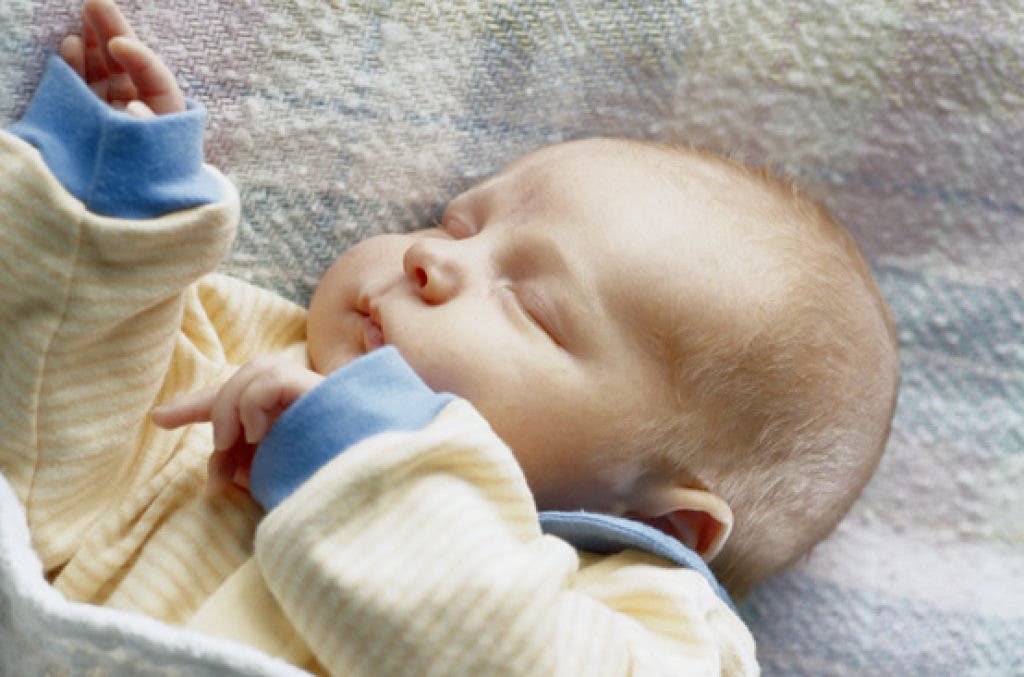


When we sleep better, our days are better. If you are looking for a way to help your children sleep better, one great place to start is to look at what they are
eating, especially in those last few hours before bedtime. There has been so much research done in the last few years, that we can now identify some of the best foods to help our little ones sleep…and a few foods that will have the opposite effect, keeping your child restless and unable to fall asleep.
Known for helping relax muscles, and for releasing the calming hormones melatonin and serotonin, the following foods are the best recipe for sleep, and would be great for dinner or bedtime snacks:
- Bananas: They’ve been called a “sleeping pill in a peel” because they help
release both melatonin and serotonin, as well as magnesium, which relaxes
muscles. - Chamomile Tea: This has a mild sedating effect to calm restless minds and bodies.
- Warm Milk: Yes, it’s true, because it has some tryptophan, which is an amino acid with a sedative-like effect, along with calcium, which helps the brain use the tryptophan.
- Honey: While sugar can be stimulating, a little honey can tell your brain to
turn off the orexin, which is a recently discovered neuro-transmitter that’s
linked to staying alert. - Potatoes: Eating a small baked potato, especially one mashed with warm milk, helps clear away the acids that can interfere with tryptophan
- Oatmeal: a filling bedtime snack because oats are a rich source of melatonin. Try it with some warm milk or drizzled with honey. Since carbohydrates boost serotonin, brown rice or other whole grains are also sleep-inducing.
- Almonds: Again, these offer a nice dose of tryptophan and magnesium in each handful.
- Flaxseeds: Just a spoonful on that bedtime oatmeal will add crunch, along with a rich dose of omega-3 fatty acids, which are a natural mood-lifters
- Whole-wheat bread (or whole grain bagels): Everything works together – a slice of toast with tea and honey will release insulin, which then will help the tryptophan get to the brain, where it’s converted to serotonin—and altogether they quietly whisper “time to sleep.” It’s the same high-carb idea as the oatmeal.
- Turkey: We’ve all heard about the tryptophan in our Thanksgiving turkeys causing everyone to nap after dinner, but that’s actually just a modern myth. Tryptophan works best when your stomach is a bit empty, not overstuffed, and when there are some carbs along with it. So, try a lean slice of turkey on that whole-wheat toast.
- Lettuce or dark leafy greens: Add some of these chlorophyll-rich leaves to the turkey and toast.
Common sense tells us that the opposite is also true – if there are foods that help our children fall asleep, there are also foods that will interfere with their sleep. If you limit or control the following foods late in the day, especially an hour or
two before bedtime, everyone will sleep better.
Find out what's happening in Encinitasfor free with the latest updates from Patch.
- Coffee, teas with caffeine (non-herbal), or colas
- Spicy foods
- Chocolate
- Sugar, foods high in sugar, and refined carbohydrates – these can all raise blood-sugar levels and cause a burst of energy, just when you want your child “winding down”
- Foods with additives or preservatives
- Foods that can cause some digestive distress, including beans, cucumbers, and peanuts
- Foods high in protein, such as meat, that can block the release of serotonin, and are a much better choice earlier in the day, when you want your child more active and alert
As you grow to know your child and his eating preferences, you will also see his tolerances for some of these “stimulants”, and you can be more careful with the foods that seem to cause energy boosts.
Aside from knowing that there are foods that will help induce or inhibit sleep, it is also important to rule out food intolerances when trying to determine what might be causing sleep disturbances. If you suspect that some foods (dairy or
gluten, for example) are causing your child sleep difficulties, please see your
pediatrician for an evaluation.
Find out what's happening in Encinitasfor free with the latest updates from Patch.
Of course, not all sleep problems will be fixed by these suggestions. So many parents are exhausted by struggling with difficult bedtimes or frequent night wakings with their baby or toddler.
One out of every four families has sleep problems. Let’s solve yours together. If you are one of those families, you have probably heard that you should either let your child cry it out, or that children outgrow it. But those out-dated notions don’t help you at 2 a.m. when you are all losing precious sleep.
Call today if you need someone to talk with. I am a pediatric sleep consultant, member of the Association of Professional Sleep Coaches, and trained by Kim West L-CSW (aka The Sleep Lady, author of Good Night Sleep Tight.) I can help you understand the reasons why your baby or young child is struggling to get a good night’s sleep. I will meet with you and help you decide on a soothing, gentle, and gradual solution that is just right for you and your child; and, most importantly, I will continue to support you by phone and emails while you make the changes in your personal plan. Most children can learn independent and uninterrupted sleep in just a few weeks.
Better sleep is not just a dream!
Mary Riggs is the mother of three amazing daughters, and one perfect granddaughter, who is a wonderful sleeper at 13 months. Along with her sleep-coach training, Mary has more than 25 years of experience as a Montessori teacher, specializing in supporting and guiding infants, toddlers, and their families. Mary and her husband recently moved to North County San Diego, where she has already begun improving the sleep of many young families. You can learn more at her website, www.goodnightchild.com.