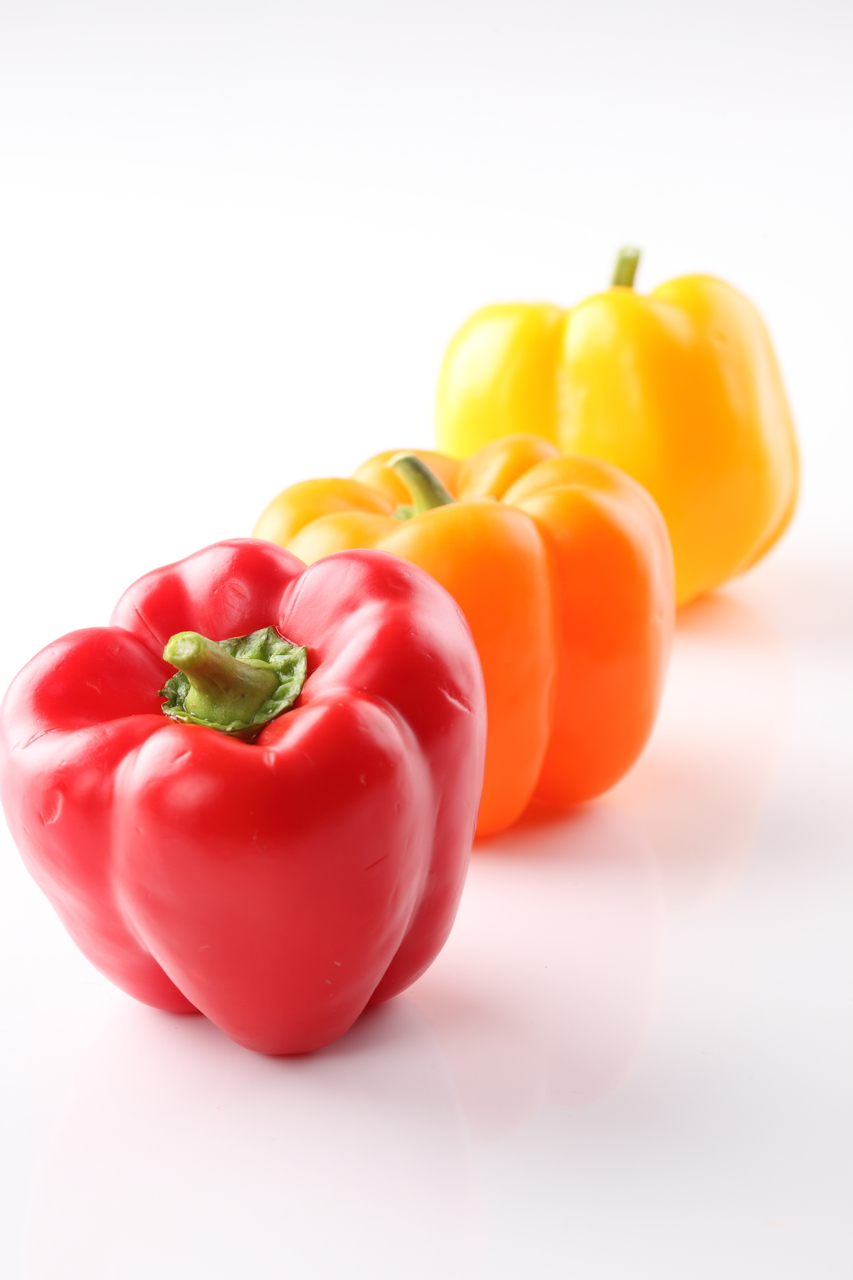
Previous studies comparing the nutritional content of organically grown produce have had mixed results. As the authors of recent literature review reported last year, "Organic crops contain a significantly higher amount of certain antioxidants (vitamin C, polyphenols and flavonoids) and minerals. Moreover, there is a lower level of pesticide residues, nitrate and some heavy metal contaminations in organic crops compared to conventional ones." (Gyorene KG, et al. 2006).
Recent studies, however, are finding even more significant results when measuring nutrients such as beneficial flavonoids in organically grown produce. Such was the case in a recent study by researchers at the University of California-Davis and the University of Minnesota, who analyzed the levels of two highly beneficial flavonoid-type antioxidants — quercetin and kaempferol — in dried tomatoes (Mitchell AE et al 2007). Flavonoids are polyphenols with not only antioxidant, but anti-viral, anti-inflammatory, anti-cancer, anti-diabetic, anti-allergy, anti-anxiety, anti-osteoporotic, and cardioprotective effect . They occur in virtually all plant foods and are associated, as one would expect from all their beneficial actions, with a range of preventive health benefits. Mitchell et al. found that certified organic tomatoes contained 79% more quercitin and 97% more kaempferol, compared with tomatoes grown by conventional methods!
The reasons explaining these results may at first seem counter-intuitive. Conventional farming practices have long used pesticides to protect plants from pests and have heavily doused them with inorganic nitrogen-rich fertilizers to enhance growth. The irony is that over-protection of the plants prevents them from producing their own natural protection from pests and infections, and inorganic fertilizers do not replenish trace minerals, which become depleted in our soils. Flavonoids are plants' own internally produced protection system against pests. While we think of them as a healthy addition to our meals to help protect us against disease, we don't often remember that they actually do the same thing for the plants that supply them for us.
Find out what's happening in Encinitasfor free with the latest updates from Patch.
Researchers have found that levels of flavonoids in the organically grown plants actually increased over time as soil levels of nitrogen compounds decreased — when they became in a sense, more nutrient-deficient! Researchers at Kansas State University reported similar results in 2005 when organic farming produced higher levels of flavonoid antioxidants as a result of the crops. increased vulnerability to insect attack. The over use of conventional fertilizers, which are high in nitrogen content, also results in a greater uptake of water and has been hypothesized to dilute the flavor of conventionally grown produce as well.
______________________
Find out what's happening in Encinitasfor free with the latest updates from Patch.
Extracted from The George Mateljan Foundation, a not-for-profit foundation with no commercial interests or advertising, is a new force for change to help make a healthier you and a healthier world.