Politics & Government
Encino Residents Invest in a Sunny Future With Solar Panels
For some, it's about being good stewards of the planet. Others mainly wanted to see huge savings on their power bills. For these local homeowners, going solar was worth the city's red-tape hassles.


Despite the upfront costs, the delays and the bureaucracy involved with installing solar panels on their roofs, several Encino homeowners saw the sunny side of the ordeal.
“We didn’t do [it] for the money—that was a nice benefit—but my husband built this home to be green and to take advantage of what God provides on this earth, which is the sun. It’s about being a good steward and a good example for our children,” singer Edie Boddicker said, as she and her husband, Grammy award-winning recording artist Michael Boddicker, demonstrated the features of their 12,000-square-foot Encino home.
The Boddickers purchased their home in 1996 and began the green remodel in 2008 when their electric bills were consistently running between $1,200 and $1,600 per month. Cost, comfort and soundproofing were Michael's primary concerns as he researched the best energy-efficient retrofits for his home, including solar. He said he and architect Jaime Pavez designed the roof pitch and layout with solar panels in mind.
Find out what's happening in Encino-Tarzanafor free with the latest updates from Patch.
After getting multiple estimates, he selected Advanced Solar Electric to install the SunPower solar system, which consists of 52 panels and three inverters.
The full price of the Boddickers' system was $267,000. However, after a $200,000 rebate from the Los Angeles Department of Water and Power and a federal tax credit of $30,000, the net cost was $37,000, and the system has completely eliminated the Boddickers' electricity bill.
Find out what's happening in Encino-Tarzanafor free with the latest updates from Patch.
Michael said he will recoup his initial investment in four years and then will start pocketing the yearly energy savings. The panels have a warranty of 25 years, so the system will produce at least $30,000 in energy for the Boddickers, assuming energy costs stay the same over the years. If prices go up, the system will generate even more savings.
Other features of the home include a passive solar design with thought to heat and air flow, high-end double-paned windows, solar chimneys, which let hot air out of the home, spray-in foam insulation, LED lights and seven Solatubes to bring in natural light during the day.
“It’s exciting to be the first green, off-the-grid dub theater mix studio in L.A.," said Michael, who operates a recording studio at his home. "It was the right thing to do, environmentally, and I love that it’s practically invisible,” he said.
Although it is illegal for any building department in California to withhold a solar permit based on aesthetics, as stated in the Solar Rights Act, amended in 2004 by AB 2473, the Boddickers said they were very mindful of their neighbors' view of the panels.
“People in the neighborhood want to be more green but the upfront costs are one of the things that scares them, especially when in some cases it might be more than what they originally paid for their house years ago. It seems like a huge amount of money,” Michael said.
Although the Boddickers refer to their system as "off-the-grid," the system is actually a grid-tied solar system, which means the family has full power from the utility night and day. While the sun is shining, the panels generate electricity, which is fed back into the grid for others to use. The DWP is required to pay the Boddickers for the power the panels generate every day by crediting their power bill monthly.
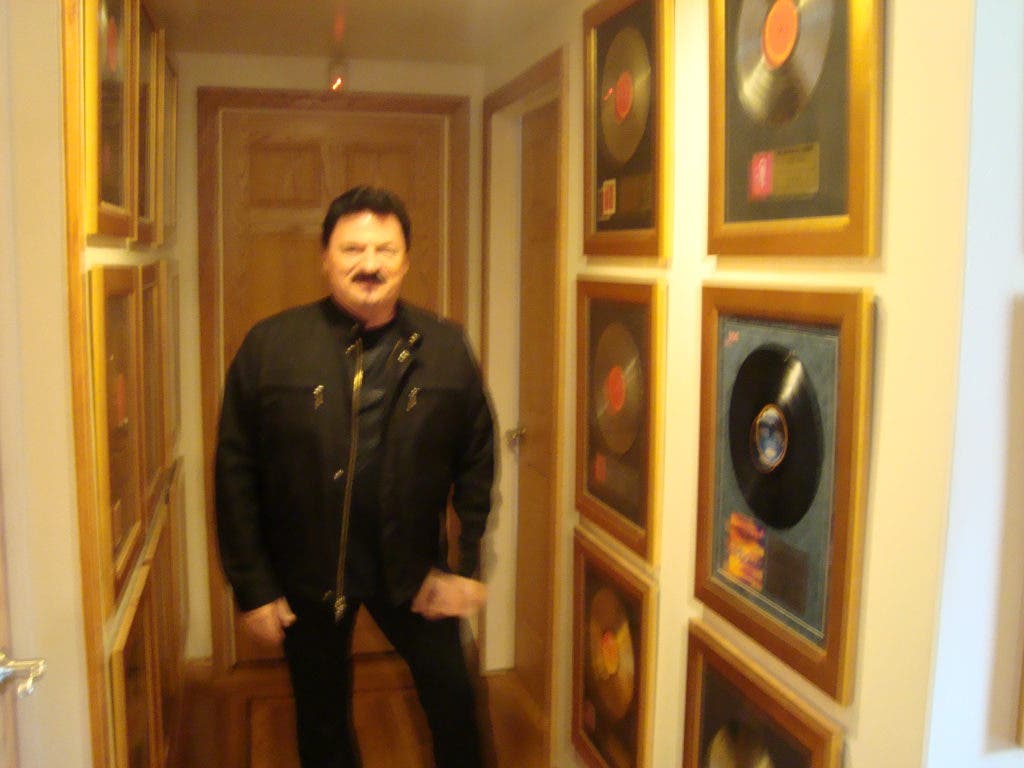
“I don’t care what any of the neighbors think about the looks of my panels. I tell them ‘come and watch my electric meter running backwards.’ I don’t want to pay what they’re paying for power,” said Encino resident and solar owner Bobby Kimball, who is the former lead singer of Toto.
Kimball and his wife, Jasmin, say they are very happy with their 42 BP Solar panels.
“Our bill went from $500 per month to $50. We pay more for trash than we do for electricity now, and we have a 9,000-gallon koi pond which has pumps running all day,” Jasmin said.
Another Encino resident, Javier Honles, is looking forward to getting his first bill from the DWP now that the 44-panel solar system his father-in-law put on the house has finally been approved by Water and Power.
“We've been waiting a long time. It sucks that it takes so long for LADWP to come and approve the system. It took three months for them to show up, and the system has to remain off until they come. They should be encouraging green energy production,” Honles said.
Nima Ameli, production manager of Advanced Solar Electric, agrees. Ameli said there are major challenges with going solar in Encino right now.
Ameli said the DWP has suspended the solar rebate program for 90 days and is not accepting any new solar applications in the city of Los Angeles. A DWP representative confirmed that the rebates have been suspended.
"Customers can still purchase and install systems, but if they want them turned on right now, they will have to forgo the rebate altogether," Arash Saidi of the DWP's Solar Incentive Program told Encino Patch.
The DWP recently announced it could take from one to five years to pay the solar rebates out, which makes solar very difficult to sell to most homeowners and is severely hurting solar installation companies.
Currently, the manufacturers float the rebates so the customer doesn’t have to come up with the full purchase price at the time of sale, but Ameli said they don’t want to wait five years for their money. This is creating huge cash-flow problems for solar businesses and preventing people from going solar.
In addition to the rebate problems, Ameli said the DWP has been taking from three to seven months to approve the systems, which must remain turned off during the waiting period. The process is frustrating to customers who have put out a very large capital expenditure and have to wait months to reap the benefits. The DWP's Saidi had advice for Los Angeles homeowners thinking of going solar.
"It would behoove our customers to wait until the moratorium is over and then apply and go through the normal process," Saidi said. "They will then receive a rebate after meeting all the requirements set forth in the solar incentive program guidelines."
In the Boddickers' case, it took three months from installation to DWP approval, representing a loss of $4,000.
The Boddickers said they were not finished with eco-friendly changes to their home, though.
“We wanted to do more, including put in large water cisterns, but the city wouldn’t let us. They have since changed the laws. We also plan to get an electric car soon,” Edie said.