Politics & Government
Congressman Honda Introduces Bill to Reduce Marine Debris
The 'Land Based Marine Debris Reduction Act of 2014' focuses on increasing the national recycling rate to help reduce litter.


Information submitted by the Office of Congressman Mike Honda:
On Wednesday, July 30, Congressman Mike Honda (D-CA17) introduced the Land Based Marine Debris Reduction Act of 2014 (H.R. 5283). This bill focuses on increasing the national recycling rate by authorizing the Environmental Protection Agency to evaluate and categorize products and, where necessary, require an increase in the amount of recycled materials used in new products or packaging.
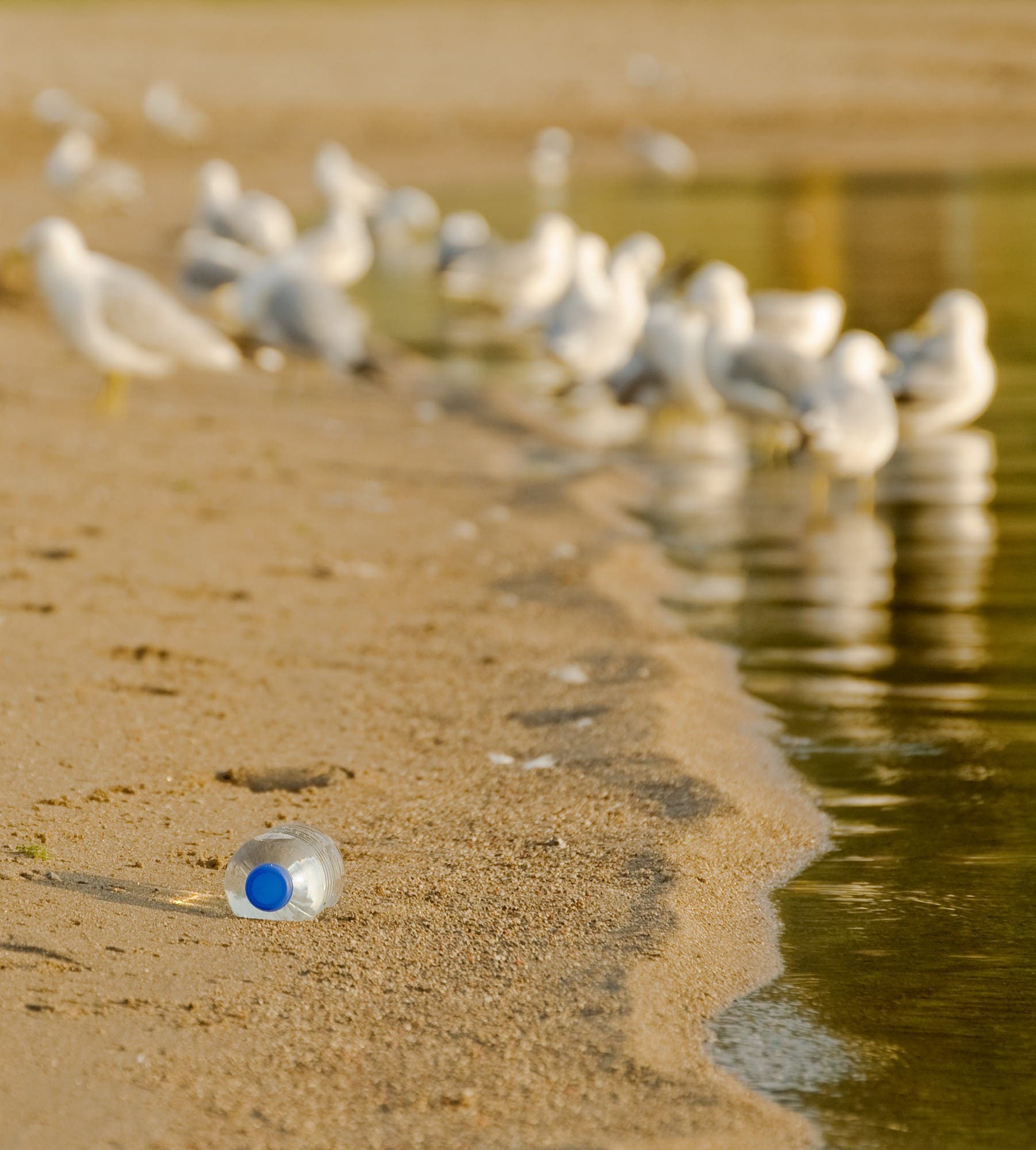
Marine debris comes in all shapes and sizes; but as much as 80% of it comes from land-based sources. Most of this occurs as a result of improperly disposed-of materials—otherwise known as litter. Under this bill, the EPA would identify ways that trash is entering the environment and offer best practices in how to deal with these leakages at the Federal, State and local level.
Find out what's happening in Fremontfor free with the latest updates from Patch.
The legislation will also allow the EPA and the Secretary of Commerce, in consultation with industry, to create a voluntary recycling label that producers can put on their products and packaging to make it easier for consumers to understand how products and packaging can be recycled properly.
The goal, according to Congressman Honda, is to increase the national recycling rate to ensure products and packaging are disposed of properly, decreasing the amount of trash that ends up in our oceans.
Find out what's happening in Fremontfor free with the latest updates from Patch.
“Making people aware of the problem is the first step. The second is letting people know they can be part of the solution,” Congressman Honda said. “By encouraging industry to use more recycled materials, we safeguard the sustainable use of our precious natural resources.”
The Ocean Conservancy, said in a statement, “Rep. Honda recognizes that trash in our oceans is one of the primary threats to marine health. His legislation addresses the need to engage with scientists, industry, and policymakers to tackle this issue through multiple avenues, including identifying primary waste pathways so we can stem the tide of trash at its source.”
Get more local news delivered straight to your inbox. Sign up for free Patch newsletters and alerts.