Politics & Government
Let's Filter Seawater And Avoid County-vs.-County Water Wars: Santa Clara Co. Supe
Board of Supervisors' Dave Cortese urges Bay Area governments to band together on desalination during drought.


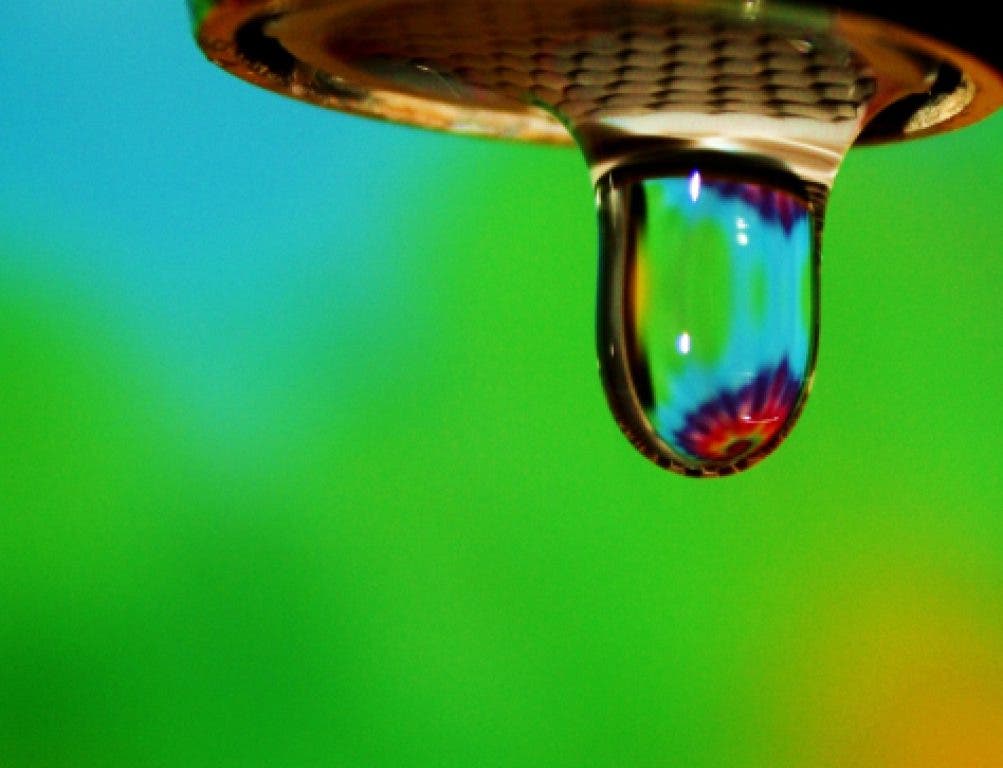
Santa Clara County Board of Supervisors president Dave Cortese said Monday that a regional system used to tap desalinated seawater in the Bay Area should be an option to bolster the county’s vulnerable water supply and avoid “water wars” with other counties.
San Jose gets one-third of its water flow from the Hetch Hetchy Water System outside Yosemite - on which San Francisco also relies for its supply - while another one-third comes from state aqueducts and the final third from local ground water, Cortese said.
All of those sources for San Jose and the county, which has 1.8 million people, could be at risk as California continues to experience a severe drought, Cortese said.
Find out what's happening in Gilroyfor free with the latest updates from Patch.
The topic of harvesting and desalinating water from the ocean for drinkable water has been discussed by county officials but nothing has been approved and it is time to do so, given Gov. Jerry Brown’s announcement last week ordering cities and towns to cut water use by 25 percent, he said.
“This shouldn’t be a dog eat dog world,” Cortese said. “It shouldn’t be county against county. I’m worried about that. The city and county of San Francisco, if they’re desperate for water, at some point, do we still get Hetch Hetchy down here? That’s one-third of our water supply in Santa Clara County.”
Find out what's happening in Gilroyfor free with the latest updates from Patch.
- Related:
- Experts’ Q&A on Record-Low Snowpack in California Mountains
- Gov. Brown Orders First-Ever Mandatory Water Reductions
- Warming Temps, Droughts Are Linked; Climate Change Contributing: Study
- California “Has Only About One Year of Water Supply Left in its Reservoirs”
- Gov. Brown Signs $1 Billion Emergency Drought Package
“We want to head those kind of arguments off,” he said. “There have been enough water wars in the state over the years without us getting into a water war now.”
The real solution is for governments in the Bay Area to get together, perhaps through the formation of a new agency, to coordinate on desalination technology, split the costs fairly, solve the environmental issues of cleaning seawater and get the facilities up and running, he said. The cost of water for consumers will likely have to increase to pay for it, which is better than the alternative of shortages of drinking water, he said.
“We don’t have to call all those shots right now but we need to get all of the information on the table, we need to get the funding strategies in place and I think we need to be ready to build the plants that we need to get water to people,” he said.
The seawater converted by desalination plants could amount to as much as 10 percent of the county’s supply of drinking water, he said.
Supervisor Joe Simitian, who authored bills on water issues while he was a state legislator, said that creating water through desalination should be considered as “a long-term back up” and part of to-do list below other methods such as recycling water, capturing rainwater, groundwater recharging and conservation. The cost of desalination has come down in recent years, but it remains a concern with limited funding and there are environmental worries including what to do with the brine-filled discharge left over after filtering seawater.
“I think it’s worth taking a look at but desalination comes with it a number of challenges,” Simitian said. “It’s certainly not a quick fix. It certainly is not a silver bullet.”
Pulling water from the southern San Francisco Bay in the northern part of the county would not be desirable because the South Bay is shallower and there is far less tidal action than up at San Francisco and along the Pacific Coast, he said.
Cortese said he has not proposed anything concrete yet on desalination but he wants to bring the topic before a board committee later this month and “we’ll ask for an expedited response.”
San Diego and Santa Barbara have indicated an interest in paying for their own desalination projects, he said. Brown has made $1 billion available for investing into projects that generate water and has mentioned desalination, he said.
Last year, the county decided to focus on conserving water and established a goal of reducing water usage by 25 percent, he said.
“We’ve been knowing that the county itself needs to be at the table itself on these issues, because when it comes right down to it, we have a direct relationship with 1.8 million people in this county, and we have three sources of water, two of which aren’t dependable right now, and maybe all three of them,” he said.
“If those three sources aren’t going to cut it, in my mind, desalination is your next option,” he said. “The only place where you can get water is the ocean.”
Desalination plants require high amounts of energy to operate, but the plants can run on alternative energy sources that the state is committed to generating, he said. California is projected to see its current population of 38 million expand to 50 million in the future, and will need new sources of water, because, for instance, the Colorado River in the Southern California “has already dried up,” he said.
“So I don’t think this is just a drought issue anymore, it’s also about the sustainability of the state when it comes to water,” he said. “I think that people sometimes forget that it’s the state’s most precious commodity and without it we can’t support the state.”
Though the plants are expensive to build, the funds to develop them exist in the state, he said.
“Money is starting to become a non-issue when it comes to water,” he said.
--Bay City News
Also on Patch:
Get more local news delivered straight to your inbox. Sign up for free Patch newsletters and alerts.