Health & Fitness
Blog: Is The Humane Society Doing Its Job?
Is the Humane Society protecting animals or do they fall short at times?

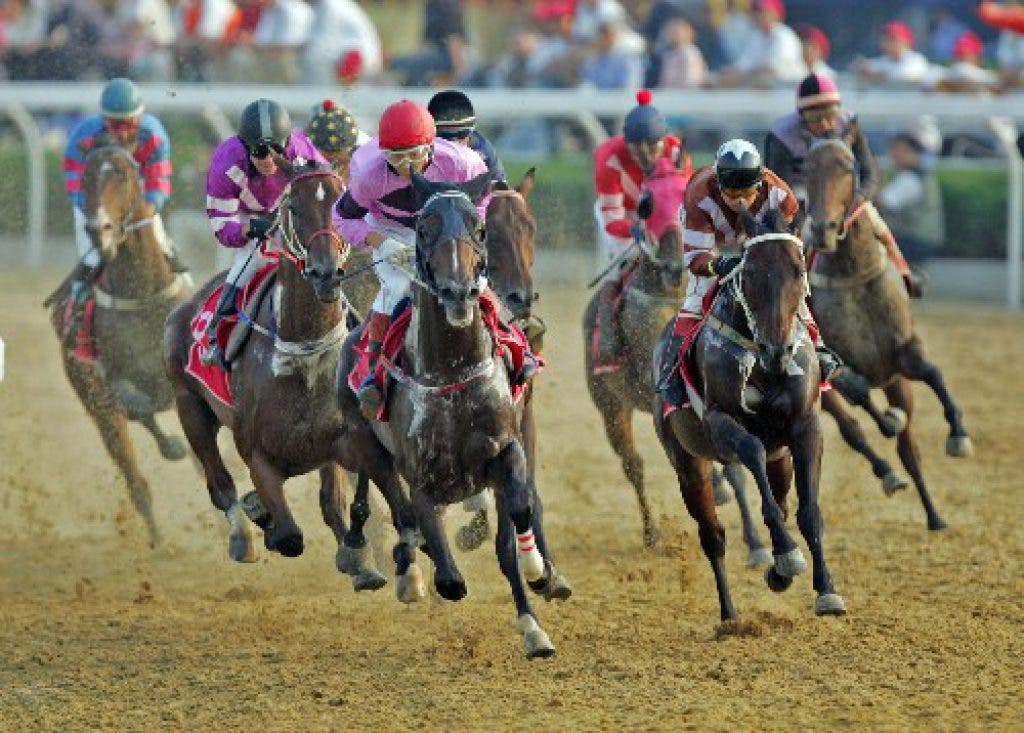
Animals in movies are monitored by representatives of the American Humane Society to make sure that none are put into danger. The organization currently monitors over 2,000 productions that use animal performers and it's partly funded by the Screen Actor's Guild. The AHA is currently taking a lot of heat because three horses in the have had to be euthanized for injuries in the first season of the show. AHA maintains that they have done everything within the industry guidelines to protect animals. Of course, there are others who take exception...like, People For the Ethical Treatment of Animals. I won't itemized their objections, but let's just say that they feel that the AHA was negligent on many levels on the "Luck" set.
PETA has been lobbying studios to quit using live animals in films and TV and replace them with CGI techniques. "War Horse", the Steven Spielberg film utilized over 100 horses in the film including 14 that played the title role of "Joey" and the production had no animal injuries. That was as much to the credit of Spielberg as anyone else. He gave the AHA representative on set full power to pull the plug if she felt there was any danger or risk to any animal.
I am not a fan of the use of animals in films, especially if they are subjected to any type of risk or mistreatment in the film (even though, of course, it's simulated). I just don't have the stomach for it. I'm too much of animal lover. I started to watch the first episode of "Luck" and about 30 or 40 min. into it a running horse snapped it's leg. I was instantly done with that show. It's a shame because it had an amazing cast. But I can't handle or imagine animal deaths or suffering.
Find out what's happening in Glendorafor free with the latest updates from Patch.
I do think that AHA could do more to protect animals in films. I do think that some of them bend to producers and directors wishes to just stay in that privileged environment. I'm not convinced that ALL AHA employees or representatives have altruistic goals towards animals. I take that position from personal experience in my own life with a local Los Angeles County Humane Society shelter.
Twelve years ago, when my son was eleven we headed to the Humane Society shelter to get a puppy for him. I grew up with a dog and it's a great feeling to always have that special companion. So we found a puppy and paid all the fees and pre-paid the cost of spaying that had to be done within six weeks. We took the dog home and within five days she became very sick and contracted parvo.
Find out what's happening in Glendorafor free with the latest updates from Patch.
She was one of three puppies at the Shelter so I called them to warn them of the parvo and they pretty much just shrugged it off and replied, "yeah, that can happen." I told them that they may want to warn any other buyers who bought the other two puppies. Their response was condescending at best and I know they never mentioned it to anyone. When I told them that recovery would be difficult and prolonged for our pup and asked if we could apply the spaying fee to later than six weeks do allow for full recovery of our dog, they said no. So I lost that money right there.
Parvo is not always curable in dogs. I initially took our dog to an Emergency Pet Clinic because it was after hours for our Vet. They started treatment. Two days later we transferred her to our Vet who has a 97% success record with Parvo cases and they saved her...at an expense of $3,200. The good news is that our pup recovered. But it put me off the Humane Society forever. They were not sympathetic to the situation. They didn't offer to help with the problem and they let a sick animal be adopted.
I came to personal conclusions about the Humane Society based on this and other incidents my friends have experienced. Those being: it's a business. The animals at some shelters are a commodity. Most people who work there probably make minimum wage or just slightly more. Not all of them are passionate about the care of animals. They are overwhelmed by the sheer number of animals there and have no time to truly care about any of the animals. They kill animals. They don't make it convenient to accommodate those who "adopt" their animals.
The conclusions i have drawn from my experience is that the Humane Society would benefit by more self-regulation and self-examination of procedures and policies.
I understand that operating any kind of animal shelter or monitoring animals is no easy thing. But there are many "no kill" shelters that are making it work and there are people who are extremely committed to the welfare of animals. I have sought out those people and organizations and support them now with my $500-$1,000 donations per year instead of the American Humane Society.
Other people may have had excellent experiences with their local Humane Society and I am thrilled if that is the case. But even knowing that just this one shelter did not have the best interests of the animals in their care at heart has bothered me and influenced me ever since I had contact with them.