Politics & Government
Stalled City Growth to Impact Future Planning, Business Development
An aging population and slow growth could limit the number and types of future residential and business development in the city.


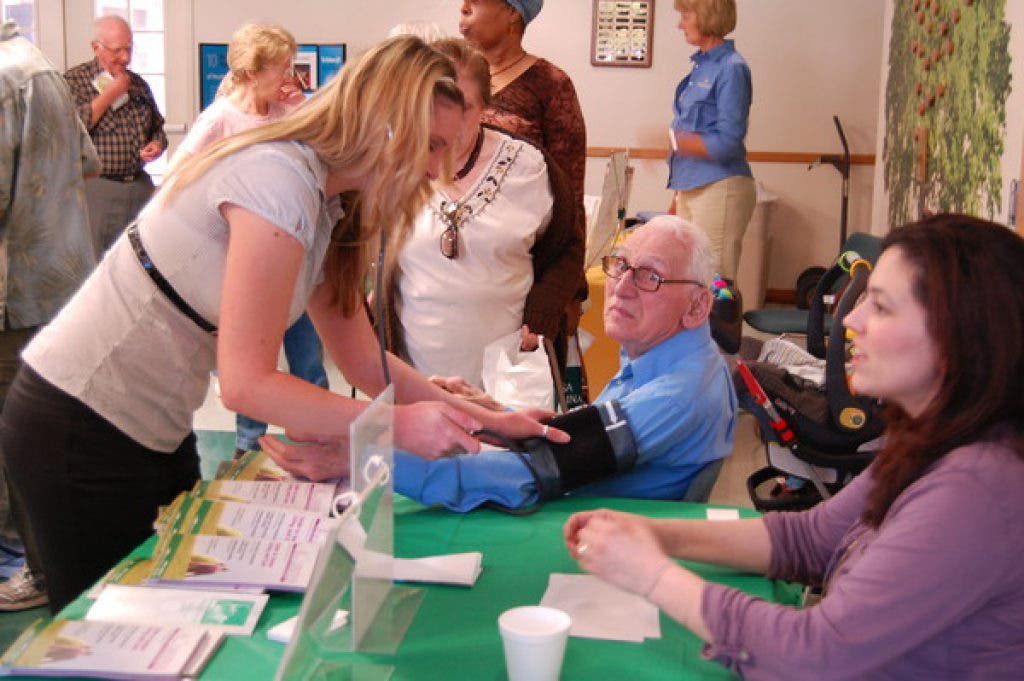
When the recently released U.S. Census figures showed that Glendora had grown by just 658 people since the 2000 Census, Planning Director Jeff Kugel said the number came as a surprise to him.
Residential planning projects are determined by the number of household needs in the community, and in the last decade, Glendora had seen several new residential communities built within its borders.
There had been a large subdivision on Bennett and Barranca, an 87-unit apartment complex on Elwood and Route 66, a single-family subdivision on Amelia and Route 66 and many more completed and future residential projects.
Find out what's happening in Glendorafor free with the latest updates from Patch.
But latest Census figures showed that the
“I was actually quite surprised that the population was only 600 more people, given the number of housing units we’ve added to the city in that time,” said Kugel.
Find out what's happening in Glendorafor free with the latest updates from Patch.
Kugel said he had thought the population would have grown about 2,000 to 4,000 more people. However, he speculated that the stalled population growth and rising apartment units could be attributed to the city’s aging population.
City figures project that
“Maybe it’s an indication that households have gotten smaller,” said Kugel. “As residents get older, and their children move out and settle in other communities, we’re seeing a need for more smaller units.”
While future general housing planning development won’t be determined until 2013, Kugel said, based on the latest figures, the city may not see huge growth in residential development.
Also affected by the numbers are housing programs such as the Community Development Block Grant, which has aided city welfare programs for low-income, elderly and disabled citizens. Resources from the grant are determined by the city’s low-income population.
While the city received $350,000 from CDBG last year, Kugel expects to see funds from the grant to continue to dwindle.
Although City Manager Chris Jeffers said the latest Census figures did not surprise him, he noted that the aging population will continue to have an impact on the types of business and residential developments in the area.
According to Jeffers, the city could expect to see more community services for seniors, including transportation and recreation programs at the La Fetra Senior Center.
Jeffers also noted more businesses tailored to a more mature crowd, such as pharmacies and assisted living facilities.
He also noted that schools could continue to see declining enrollment and less support from the older generation, as they may be less likely to vote for school-related measures with their children no longer in school.
“The city, as well as retailers, will continue to watch these numbers because it tells us who our citizens are and what they need,” said Jeffers.
Get more local news delivered straight to your inbox. Sign up for free Patch newsletters and alerts.