Politics & Government
San Mateo County Supervisors Hold Off on New Budget Strategy
County Supervisors said they want more time to consider the outcomes-based budget approach.
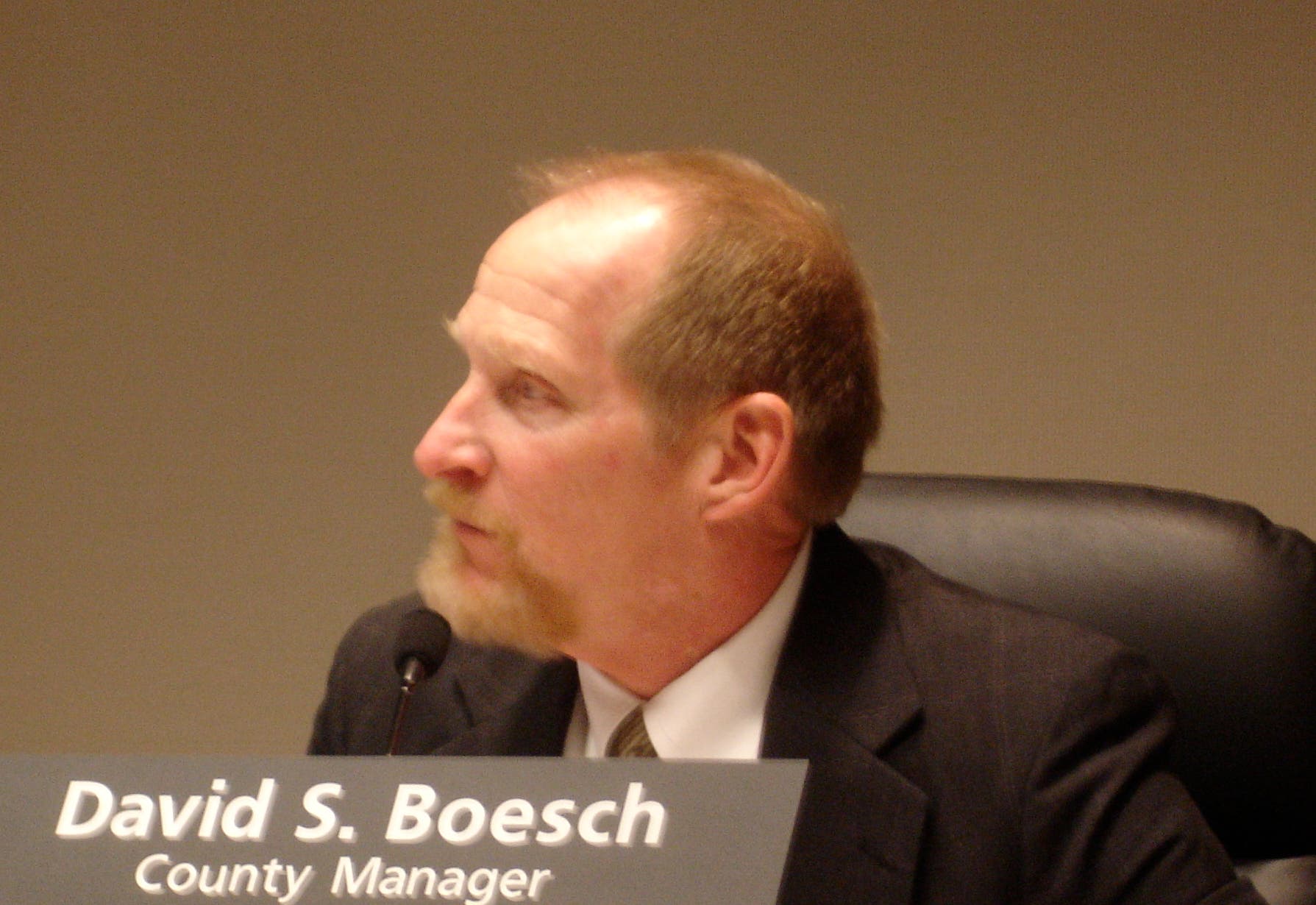

The San Mateo County Board of Supervisors stopped short of adopting a new priority-based budgeting process yesterday.
County Manager David Boesch wanted the supervisors to approve the new budgeting process for fiscal year 2011-12, focus county-funded services into six outcomes, and authorize up to $300,000 to implement the plan.
But supervisors said they wanted the Finance and Operations Committee to examine the issue and to have another workshop to fully vet the budgeting process.
Find out what's happening in Half Moon Bayfor free with the latest updates from Patch.
Boesch proposed following the "Budgeting for Outcomes" model developed by consultant Public Strategies Group, which has helped more than 20 public agencies adopt a similar approach.
While Board President Richard Gordon said a new budget strategy is needed, he expressed concern about adopting a method designed by consultants.
Find out what's happening in Half Moon Bayfor free with the latest updates from Patch.
"I'm a little concerned that we are buying somebody else's product, that this comes as a pre-packaged approach with a whole bunch of jargon that the consultants have created," Gordon said. "My preference would be to see this board and county…design something that works for us."
The new process is part of a five-year plan to eliminate a more than $100 million structural deficit by fiscal year 2013.
According to a county report, the key elements of the proposed budgeting process are as follows:
● Start with available resources, not last year's budget.
● Replace the existing incremental process that funds individual departments, with a priority-based process that funds proposals that achieve the best results for the community and address the needs of our most vulnerable residents.
● Use Requests for Results (RFRs) to ask departments to submit proposals to provide services in one of six Results Areas: Healthy Residents, Safe Neighborhoods, Economic Self-Sufficiency, Livable and Connected Communities, Environmental Stewardship and Well-Managed Government.
● Prioritize proposals based on available resources, evidence and demonstrated results, and broad-based community input obtained throughout the process.
● Create an Innovation Fund and provide incentives for innovation, cross-departmental collaboration, community partnerships and employee engagement.
"We really have two fundamental choices," Boesch told the board. "We can continue to do business as we have or we can take an approach that looks something like I've outlined for you."
Sheriff Greg Munks said he would not participate in the new process as outlined because it interferes with his duty to create priorities for his department.
"The idea of having these teams that look at proposals and they become prioritized, I believe takes away my statutory responsibility to set priorities for my department," Munks said.
Supervisors signaled that they would support a hybrid plan that uses elements of the county manager's recommendation.
"To be successful everyone needs to participate," said Supervisor Mark Church. "Everyone needs to be on board."