Schools
Drug Dog May Be Used at Redondo Union
Officials want to limit exposure and usage on campus but caution that canine searches will not impact overall drug use by teens.
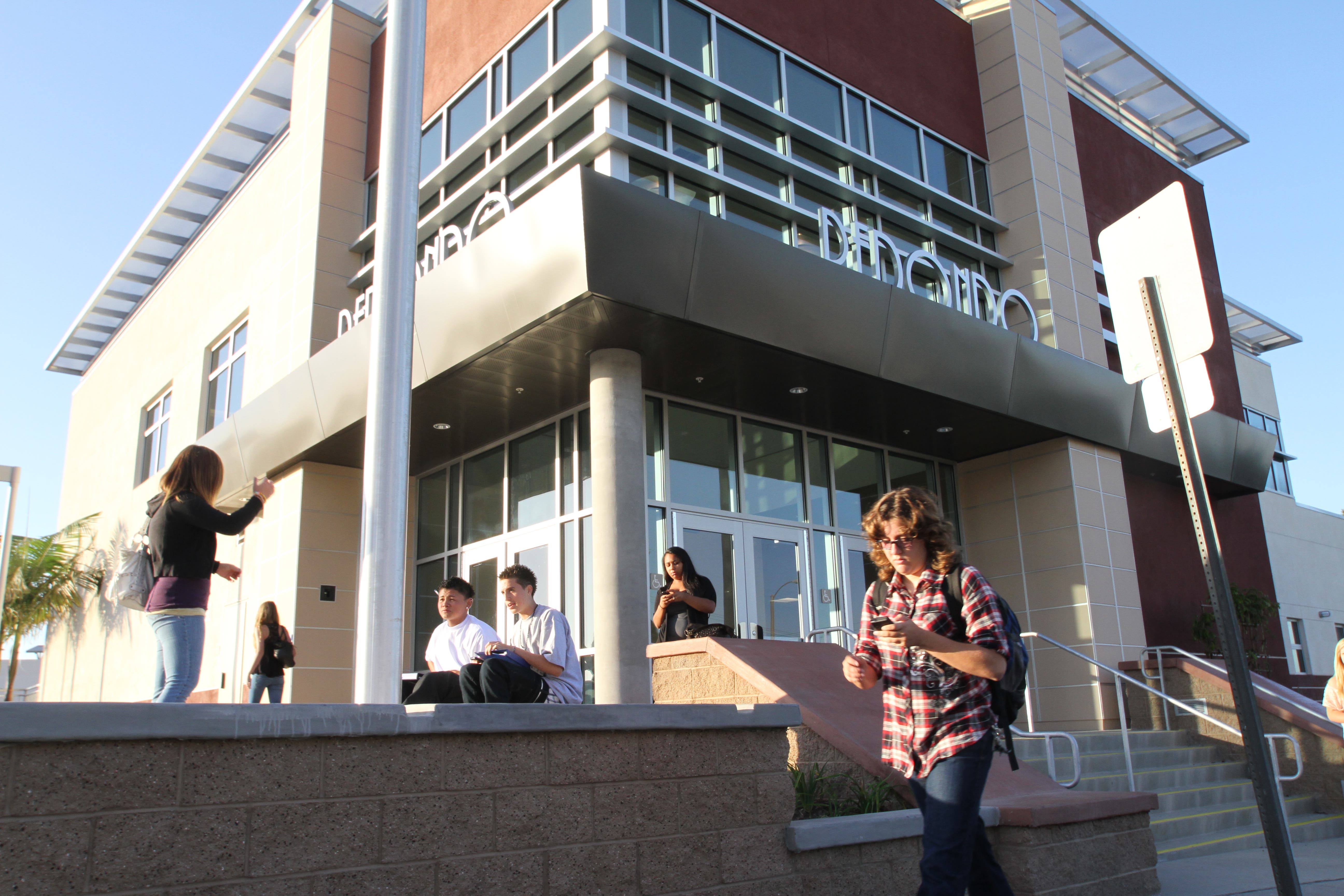
A drug-sniffing dog might regularly search for drugs at as early as next school year if the Redondo Beach Unified Board of Education approves the proposal.
Assistant Superintendent Frank DeSena will make a recommendation to use a police canine after parents and students expressed support for the measure, he told Patch.
“Students think it would be a deterrent for other students to bring drugs onto campus,” DeSena said. “We’re not naïve about this. We don’t think it’s going to stop everyone from using drugs. But the biggest thing parents say is they don’t want their child exposed to other students using drugs on campus.”
Find out what's happening in Hermosa Beachfor free with the latest updates from Patch.
The neighboring district’s Drug and Alcohol Community Task Force last month recommended that dogs regularly search for drugs at the high school where some Hermosa Beach students attend.
The task force, a non-public body of parents, students, law enforcement and Beach Cities Health District officials, and school district staff, is in its third year of existence.
Find out what's happening in Hermosa Beachfor free with the latest updates from Patch.
A drug-sniffing dog can be used in different ways, DeSena said. The dog can sniff lockers, or it can search in the student parking lots. The dog can also sniff backpacks in classrooms while students wait in the hallway.
Redondo Beach police Capt. Jeff Hink said the department’s police dog is trained to detect marijuana, cocaine, methamphetamine and heroin, which includes other opiate-based drugs.
Between 10 and 13 percent of Redondo Union students polled said they have been drunk on alcohol or high on drugs at least once while on school property, according to the most recent .
But a drug-sniffing dog cannot detect alcohol and does not address that issue, DeSena said.
Superintendent Steven Keller used to work as a middle school principal 15 years ago in Orange County where 11 students were expelled for drug possession the previous year.
Although Keller’s middle school did not employ a drug-sniffing dog, Keller said, he and parents and staff cleaned up the school by actively being present on campus. However, the students ended up doing drugs off campus, Keller said.
“The reality was that drug use was pushed outside our little fiefdom, the drawbridge went down, the kids went over the little moat and out into the community where they knew they were less likely to get busted,” Keller said.
Schools and the community at large must commit to limiting drug use, Keller said, but parents are the most important influence when it comes to identifying and limiting their children’s drug habit.
A dog would probably not begin searching for drugs at Redondo Union until next school year since parents first must be notified.
If the Board of Education approves the measure, the dog would likely be allowed access to the school and students’ possessions slowly and in incremental steps, Keller and DeSena said.
Mira Costa High School and Manhattan Beach Middle School each allow a dog onto campus to search for drugs, and the Torrance school district uses dogs at its high schools and the middle schools.
The Palos Verdes Peninsula school board also is considering allowing a drug-sniffing dog at Palos Verdes High School.