Arts & Entertainment
19 Patriotic Movies And Series To Watch Over The July 4 Weekend
Explore films and series that illuminate America's 250‑year history, from the fight for independence to eras of conflict and change.


HOLLYWOOD, CA — America’s 250th year invites a look across the nation’s history — from the debates that shaped its founding to the struggles, frontiers and reinventions that tested its ideals. These films and series illuminate the people who argued, built, fought, imagined and challenged the country into being, revealing how the American experiment has evolved through conflict, courage, dissent and ambition.
If you’re drawn to stories of origin, you’ll find them in “Lincoln,” “1776,” “John Adams,” “The Patriot” and “The American Revolution.” For the raw tensions of frontier America, “The Last of the Mohicans” and “The New World” capture the collision of cultures that shaped the continent before the nation existed.
Meanwhile, beyond those early chapters, the nation confronted crucial, pivotal moments, depicted in “Glory,” “Selma” and “The Grapes of Wrath.” And for works that explore innovation, reinvention or the pressure to rally together, “Hamilton,” “Apollo 13,” “The Right Stuff,” and “The Social Network” offer vivid contemporary reflections.
Find out what's happening in Hollywoodfor free with the latest updates from Patch.
Finally, for fun and satire on the 4th of July, "Independence Day" is a perennial favorite.
Below are the top 19 films and series that trace how the nation has been forged, tested and propelled forward.
Find out what's happening in Hollywoodfor free with the latest updates from Patch.
Top 19 Films And Series About America
“Lincoln” (2012)
Daniel Day-Lewis, Sally Field; directed by Steven Spielberg
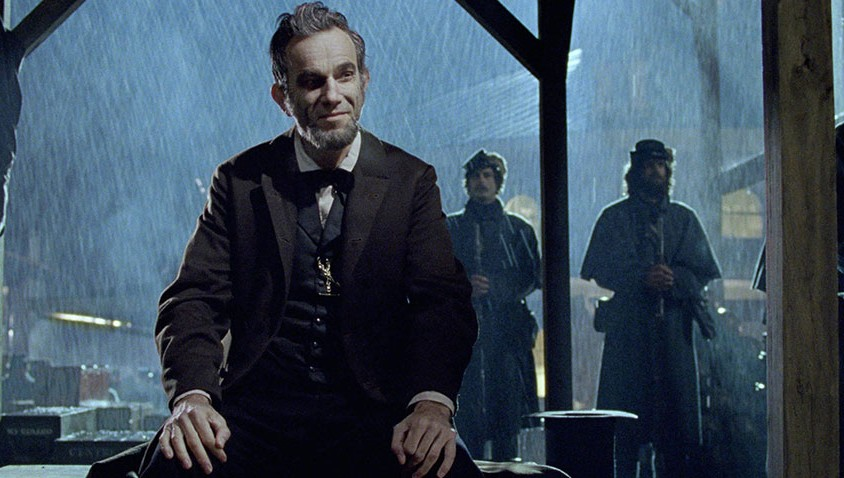
“Lincoln” opens with the quiet force of political courage, showing how the country’s most consequential moral shift depended on patience, persuasion, and the unglamorous work of negotiation. Spielberg centers the film on the final push to pass the 13th Amendment, capturing the urgency of a nation trying to redefine itself before the Civil War’s end. Daniel Day-Lewis plays Lincoln with a measured, almost fragile resolve, revealing a leader who understands that history often turns on small, difficult votes rather than grand gestures.
“1776” (1972)
William Daniels, Howard Da Silva; directed by Peter H. Hunt
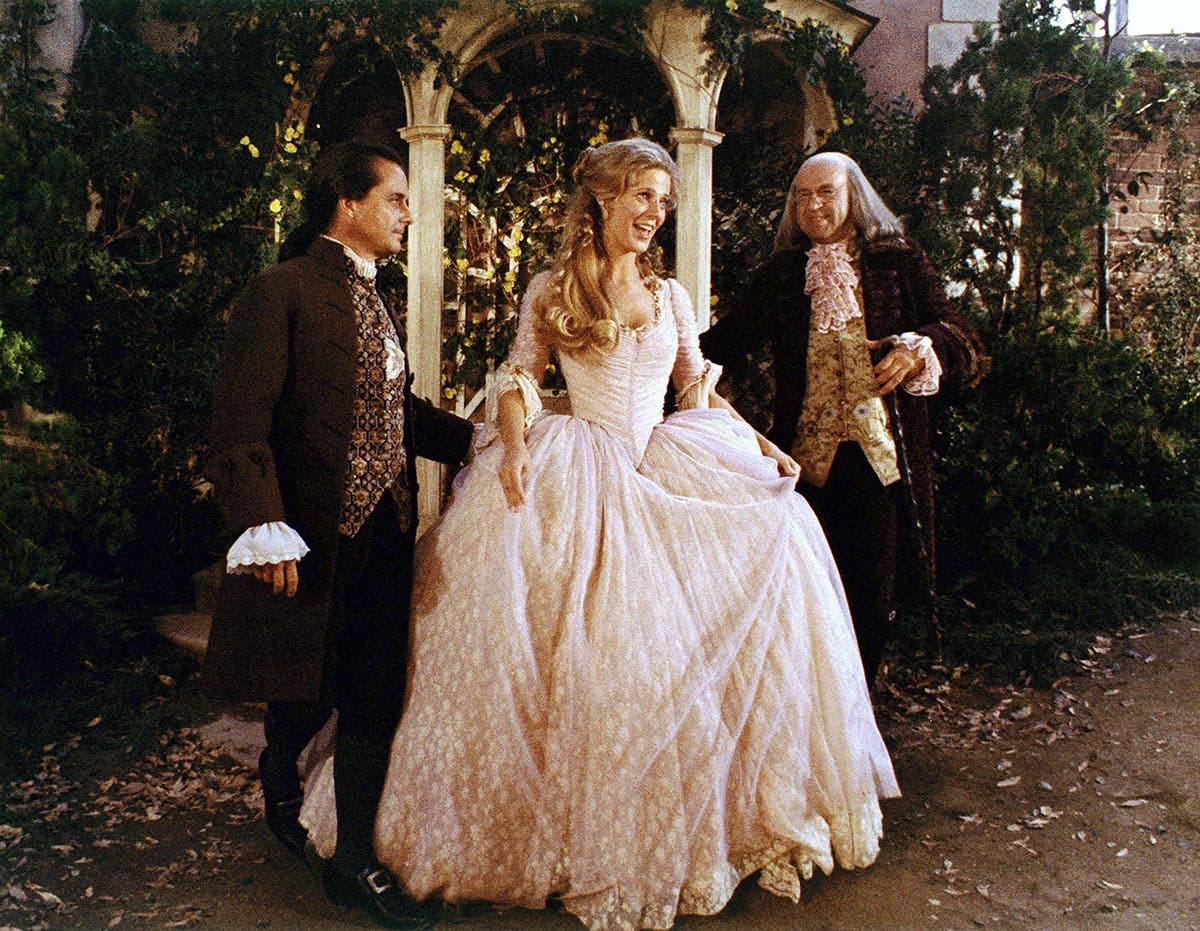
The film revels in the messy, argumentative birth of independence, reminding us that the American experiment began not with unanimity but with disagreement. “1776” turns congressional debate into musical theater without losing the stakes, showing how ideals are hammered out through ego, exhaustion and compromise. It’s a buoyant, surprisingly sharp portrait of the founding as a human endeavor rather than a mythic moment.
“Independence Day” (1996)
Will Smith, Jeff Goldblum, Bill Pullman; directed by Roland Emmerich

“Independence Day” channels a modern form of American mythmaking, using spectacle to explore how unity emerges under pressure. Emmerich stages the crisis with blockbuster scale, but the film’s emotional weight comes from ordinary people improvising solutions and refusing defeat. Smith and Goldblum ground the chaos in humor, resolve and collaboration, turning a sci‑fi invasion into a story about collective ingenuity. In its own pop‑culture way, the film reflects how America imagines itself when facing the unimaginable — resilient, inventive and capable of rallying together.
“Glory” (1989)
Matthew Broderick, Denzel Washington; directed by Edward Zwick
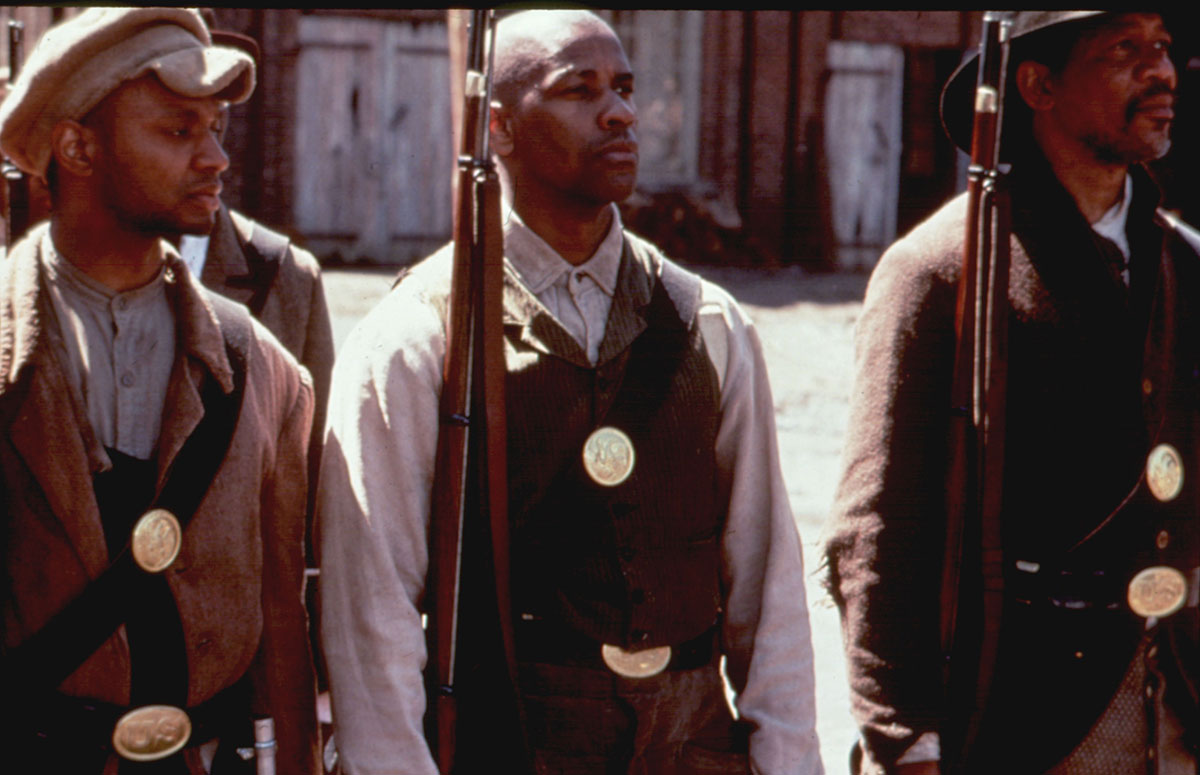
“Glory” builds its power slowly, and in the middle of the film, the story widens into a reckoning with the unfinished promise of freedom. The 54th Massachusetts Infantry becomes a lens for the contradictions of a nation fighting for union while denying equality, and Denzel Washington’s performance anchors the film in raw, personal sacrifice. It’s a Civil War drama that understands the war’s moral core better than most: the fight to make the country live up to its founding words.
“Hamilton” (2020)
Lin-Manuel Miranda, Leslie Odom Jr.; directed by Thomas Kail
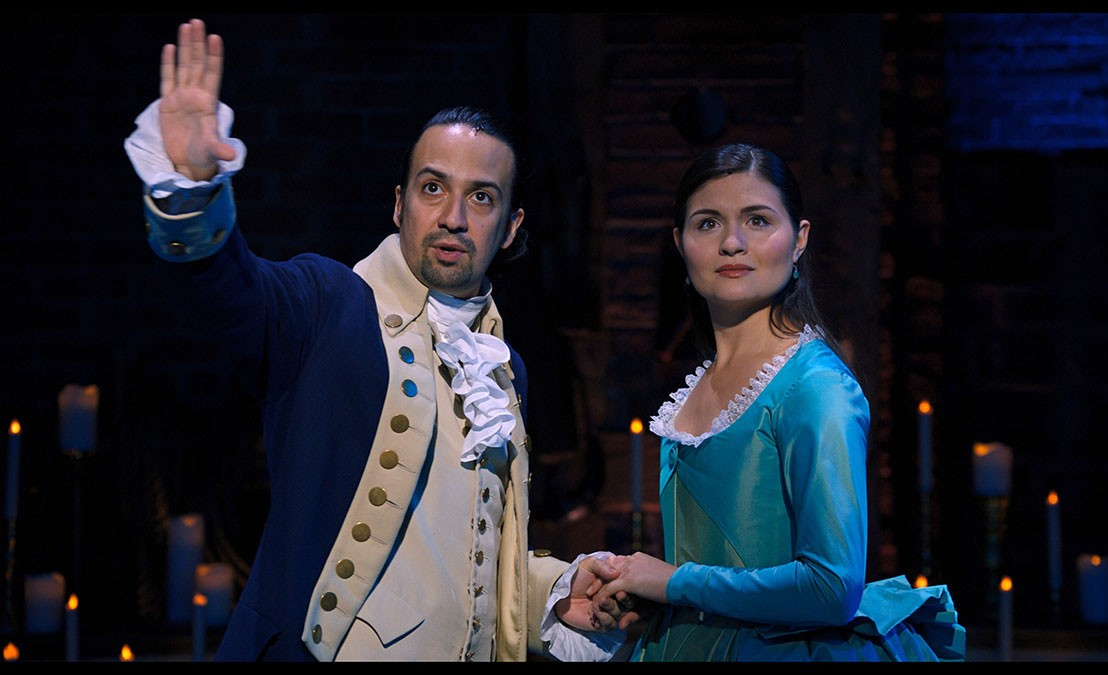
“Hamilton” reframes the founding through modern voices, proving that the American story is always being retold and reclaimed. The filmed production captures the kinetic energy of Lin-Manuel Miranda’s score, blending hip-hop, R&B and traditional musical theater into a portrait of ambition, reinvention and the restless drive that shaped the early republic. It’s a reminder that the founding belongs to everyone willing to engage with it.
“Apollo 13” (1995)
Tom Hanks, Kathleen Quinlan; directed by Ron Howard
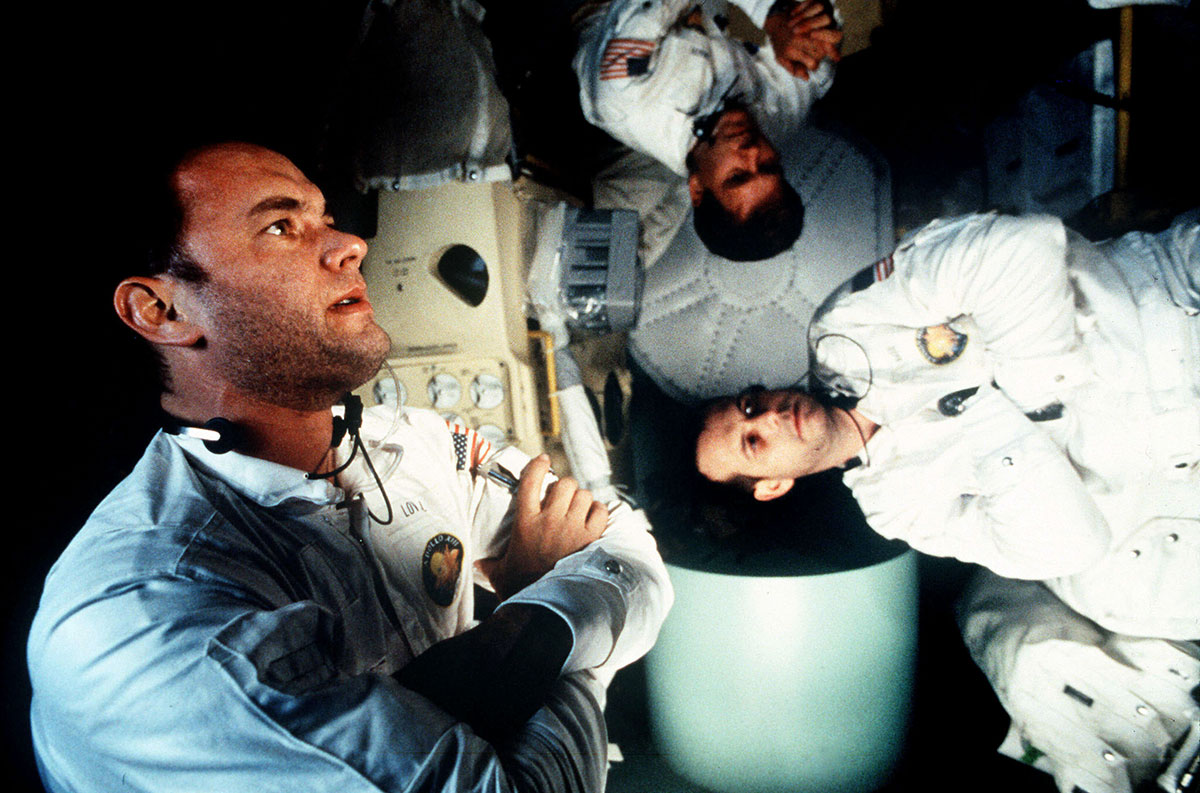
The film’s tension comes from ingenuity under pressure, revealing how American problem-solving often emerges from failure rather than triumph. Howard’s retelling of the ill-fated lunar mission is grounded in teamwork and improvisation, showing how a near-disaster became a testament to collective resolve. It’s a space story that feels quintessentially American: ambitious, precarious and ultimately collaborative.
“The Patriot” (2000)
Mel Gibson, Heath Ledger, Jason Isaacs; directed by Roland Emmerich
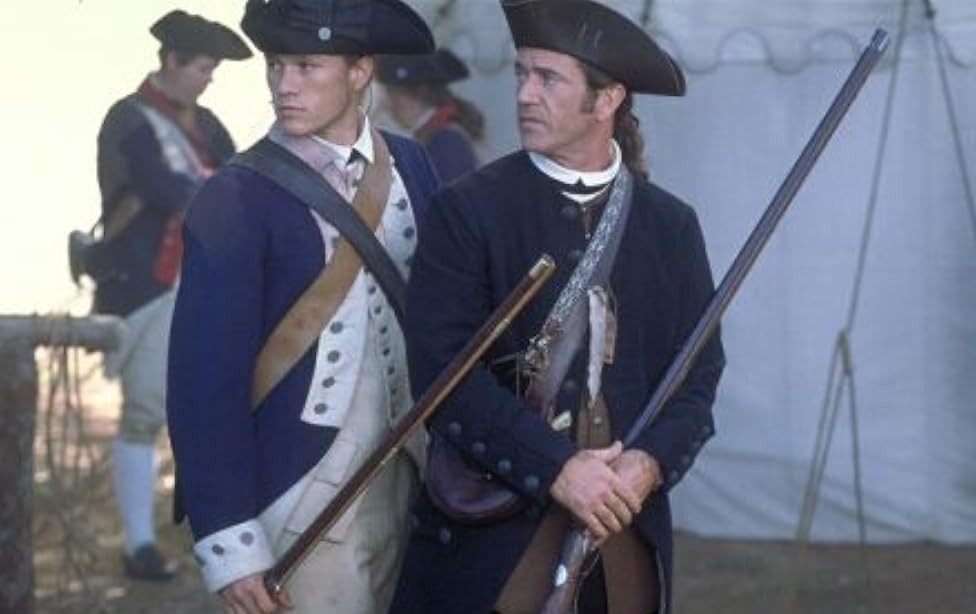
“The Patriot” approaches the Revolution through personal loss, using one family’s tragedy to illuminate the emotional stakes behind independence. Emmerich blends frontier violence with political awakening, showing how ordinary people were pulled into a conflict that reshaped the continent. Mel Gibson’s performance anchors the film in grief, anger and reluctant leadership, revealing the Revolution as a messy, intimate struggle rather than a clean myth. The film’s focus on sacrifice and contradiction underscores how the country’s founding ideals were forged through hardship rather than inevitability.
“Selma” (2014)
David Oyelowo, Carmen Ejogo; directed by Ava DuVernay
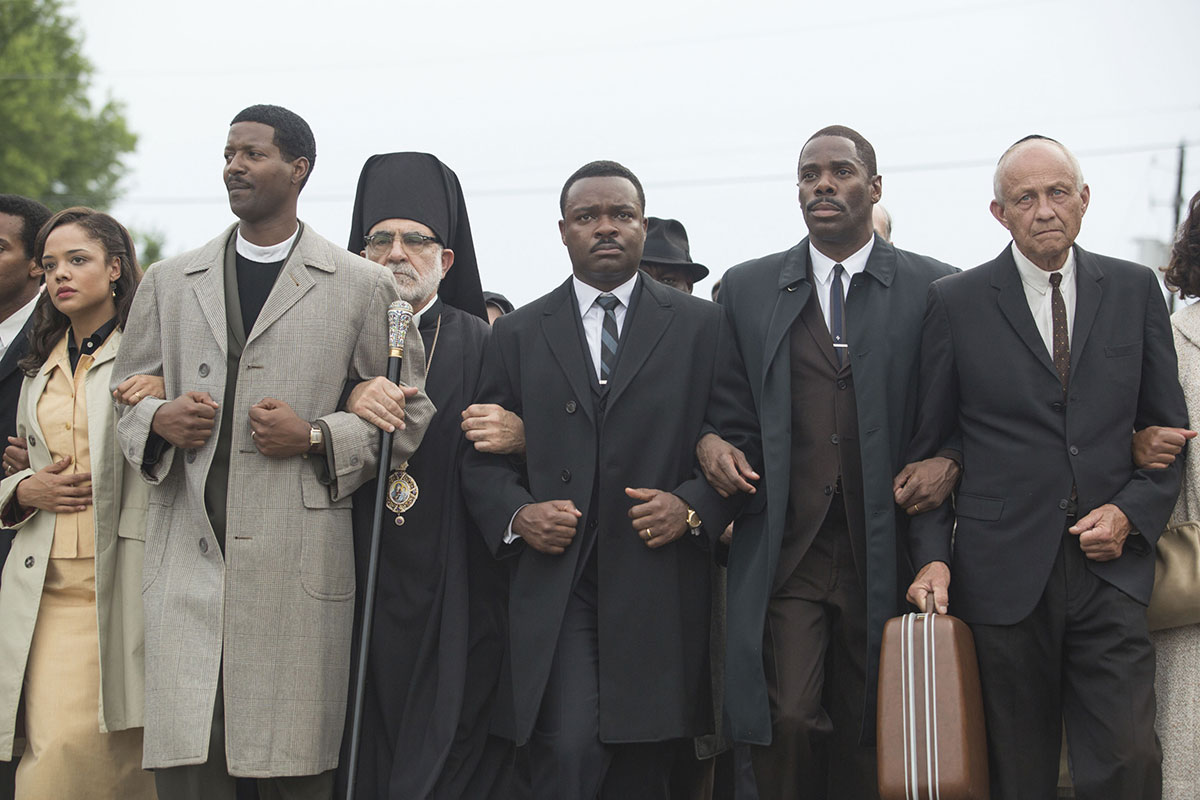
“Selma” captures the fight to make American Democracy more real, showing how progress depends on pressure, courage and collective action. Director Ava DuVernay focuses on the Selma-to-Montgomery marches, revealing the strategic and emotional weight behind one of the civil rights movement’s most consequential victories. David Oyelowo’s portrayal of Dr. King is grounded and human, emphasizing the burden of leadership rather than the myth.
“The Right Stuff” (1983)
Sam Shepard, Ed Harris; directed by Philip Kaufman
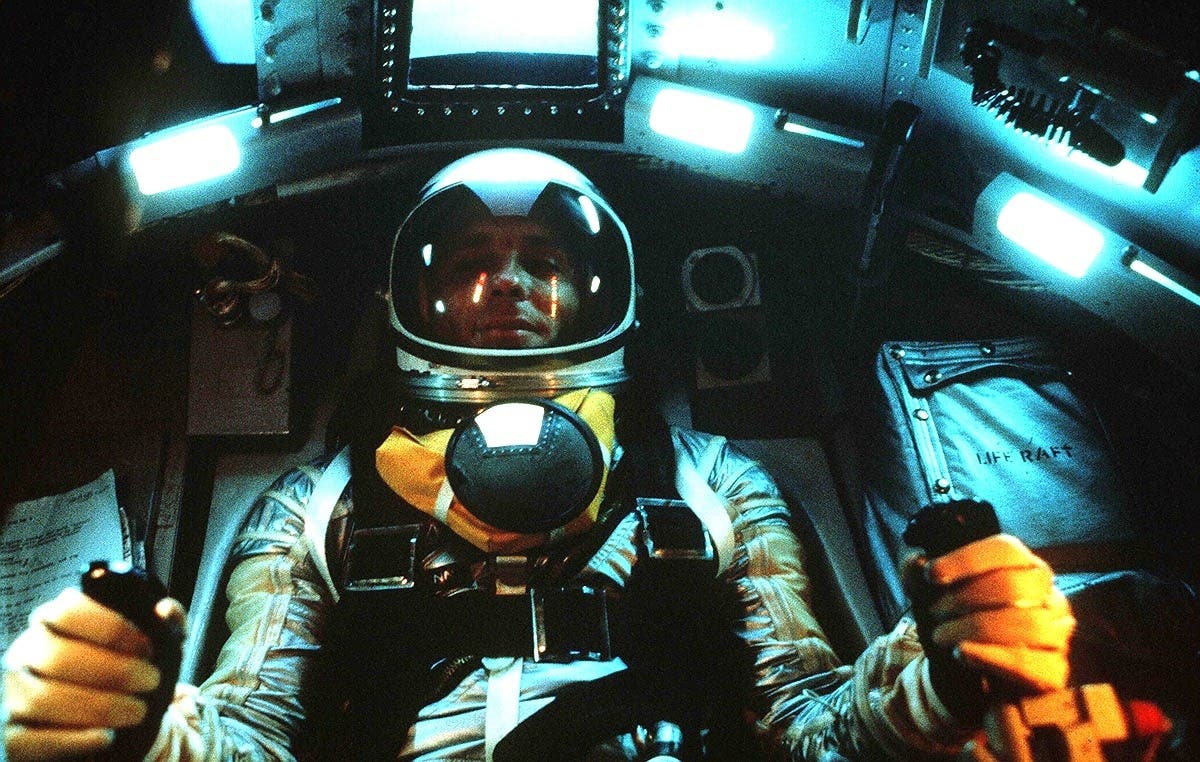
Kaufman’s film treats the early space program as a study in ambition, risk and swagger, capturing the restless drive to push beyond known limits. Ultimately, it argues that America’s identity has always been tied to the urge to test the horizon, even when the cost is steep and the outcome uncertain.
“The Last of the Mohicans” (1992)
Daniel Day-Lewis, Madeleine Stowe, Wes Studi; directed by Michael Mann
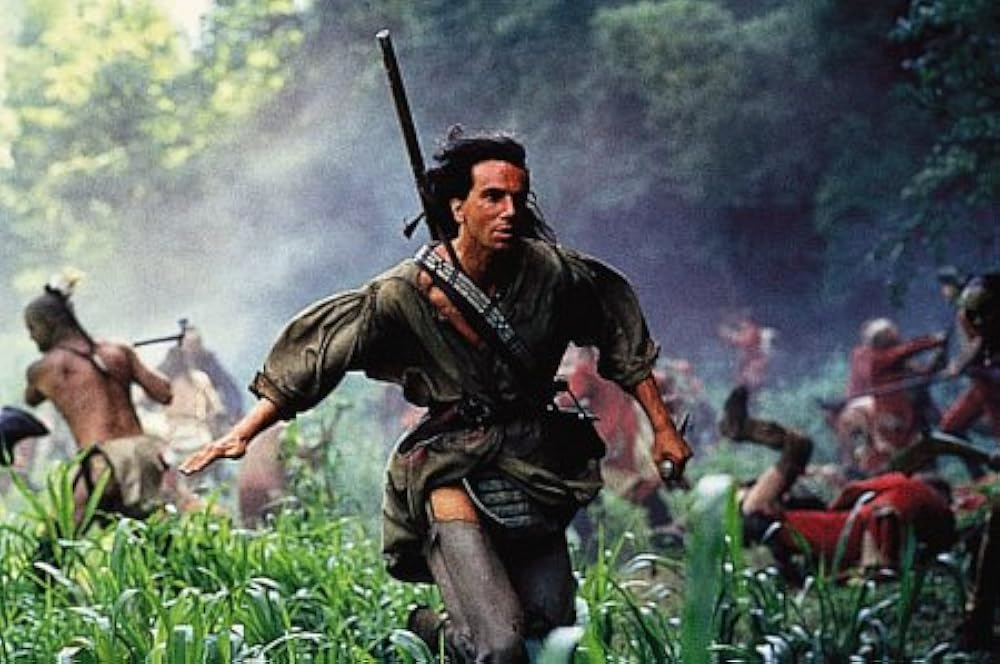
Michael Mann’s frontier epic captures the collision of cultures during the French and Indian War, a period that shaped the continent long before the United States existed. Daniel Day‑Lewis’s Hawkeye moves between worlds, navigating loyalty, survival and love as empires fight for dominance. The film’s sweeping landscapes and operatic score turn the wilderness into a character of its own — vast, contested and full of possibility. By tracing the tensions and exchanges of the early frontier, the film reminds us that the American story began long before the founding, in the complicated terrain of identity and land.
“Hidden Figures” (2016)
Taraji P. Henson, Octavia Spencer, Janelle Monáe; directed by Theodore Melfi
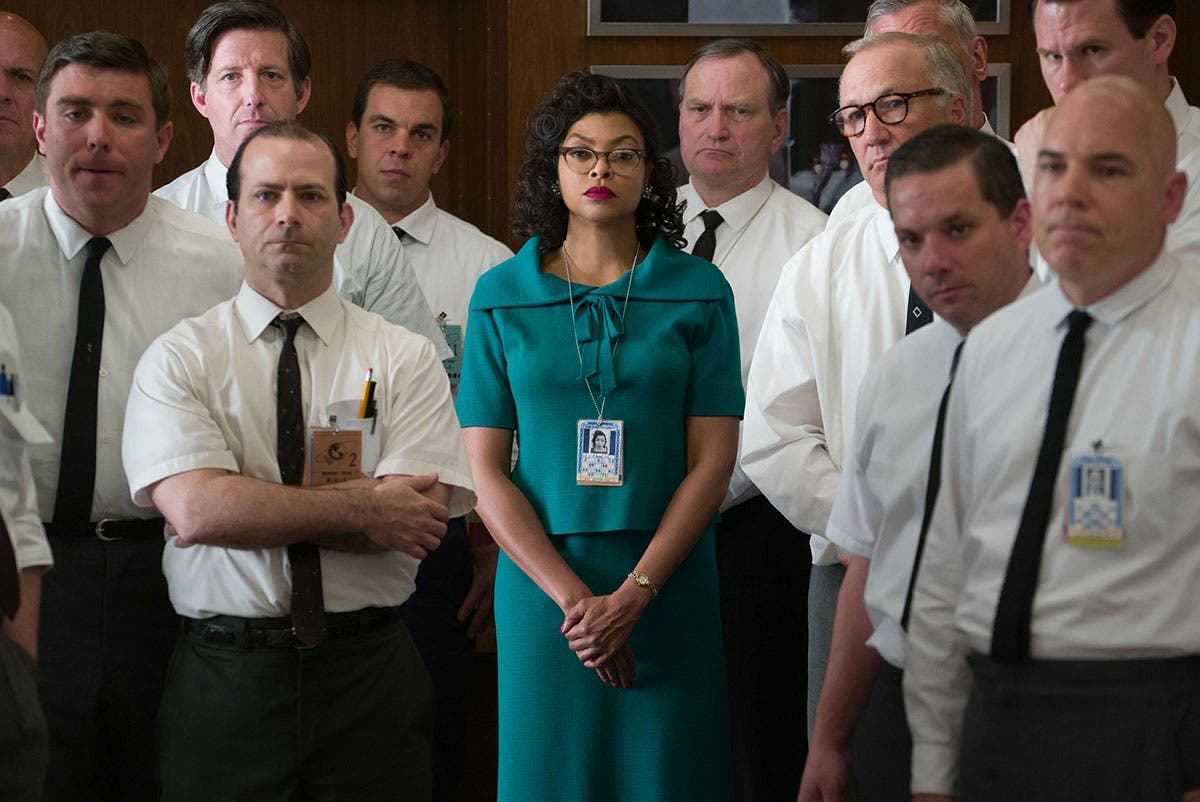
Midway through “Hidden Figures,” the film reveals its deeper purpose: expanding who gets to be part of the American narrative. The story of Katherine Johnson, Dorothy Vaughan and Mary Jackson — three real-life brilliant African-American mathematicians and engineers at NASA — reframes the space race as a collective achievement built on overlooked brilliance. It’s a warm, clear portrait of how national progress depends on opening doors rather than guarding them.
“John Adams” (2008)
Paul Giamatti, Laura Linney; created by Tom Hooper and Kirk Ellis
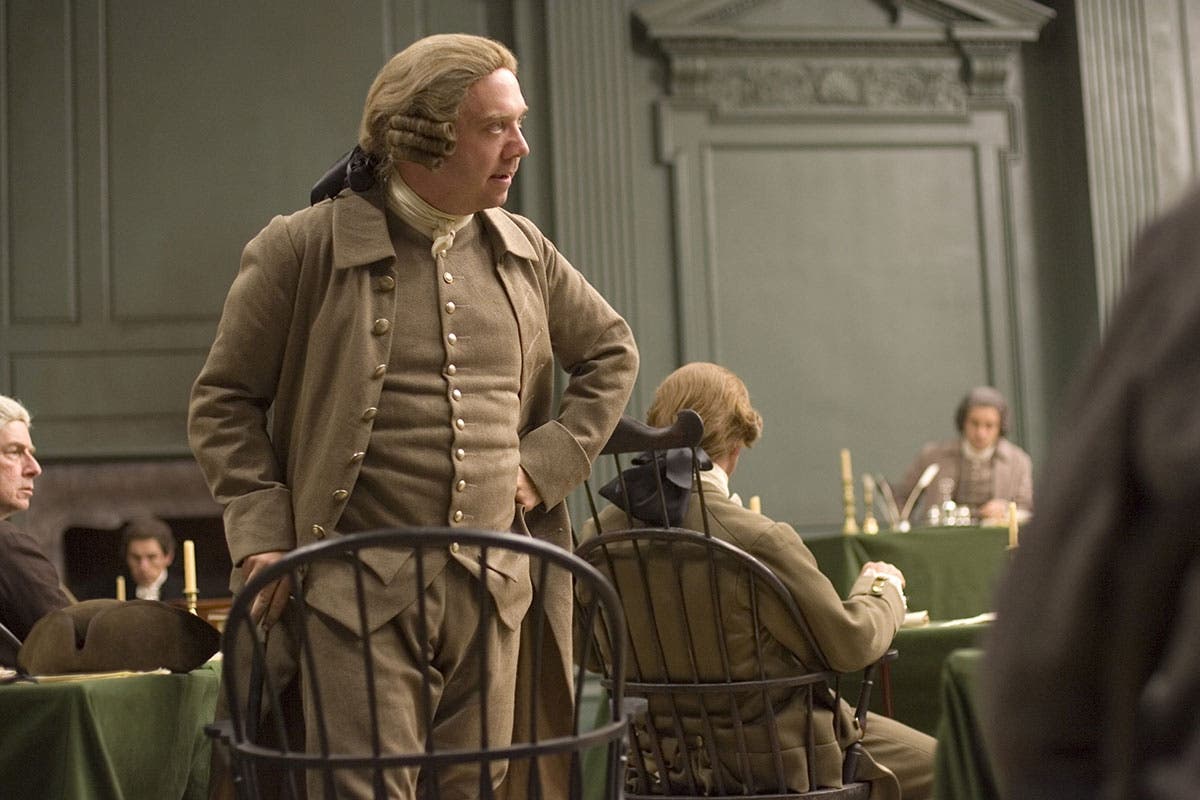
“John Adams” humanizes the founding, showing how the republic was built through argument, doubt, sacrifice and stubborn idealism. Paul Giamatti plays Adams with sharp intelligence and chronic discomfort, capturing a man who helped shape a nation while struggling with the weight of his own convictions. The seven-part HBO miniseries blends domestic life with political upheaval, revealing the personal cost of independence.
“Born on the Fourth of July” (1989)
Tom Cruise, Kyra Sedgwick; directed by Oliver Stone
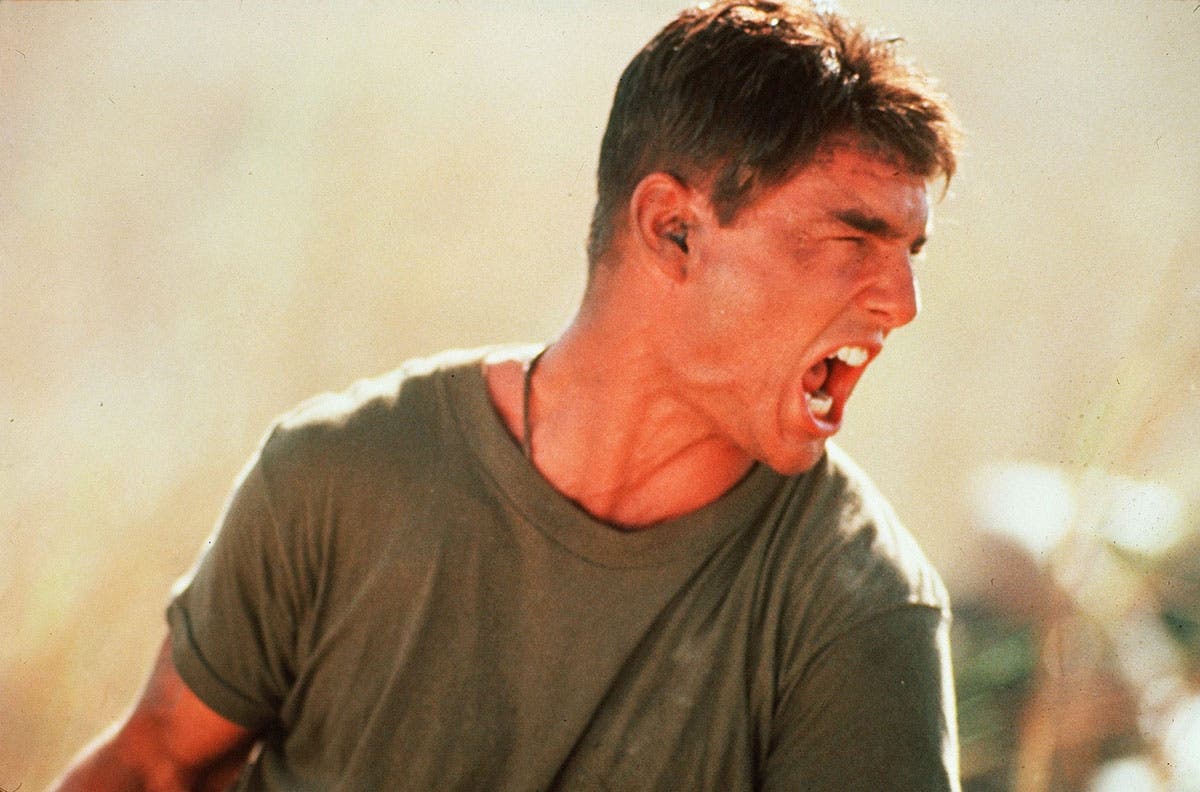
Stone’s film confronts patriotism’s contradictions, tracing how national identity can fracture and rebuild through personal reckoning. Tom Cruise’s performance follows Ron Kovic from idealistic Marine to antiwar activist, revealing the emotional and political fallout of a country at war with itself. It’s a portrait of American disillusionment that defies easy answers.
“The Social Network” (2010)
Jesse Eisenberg, Andrew Garfield; directed by David Fincher
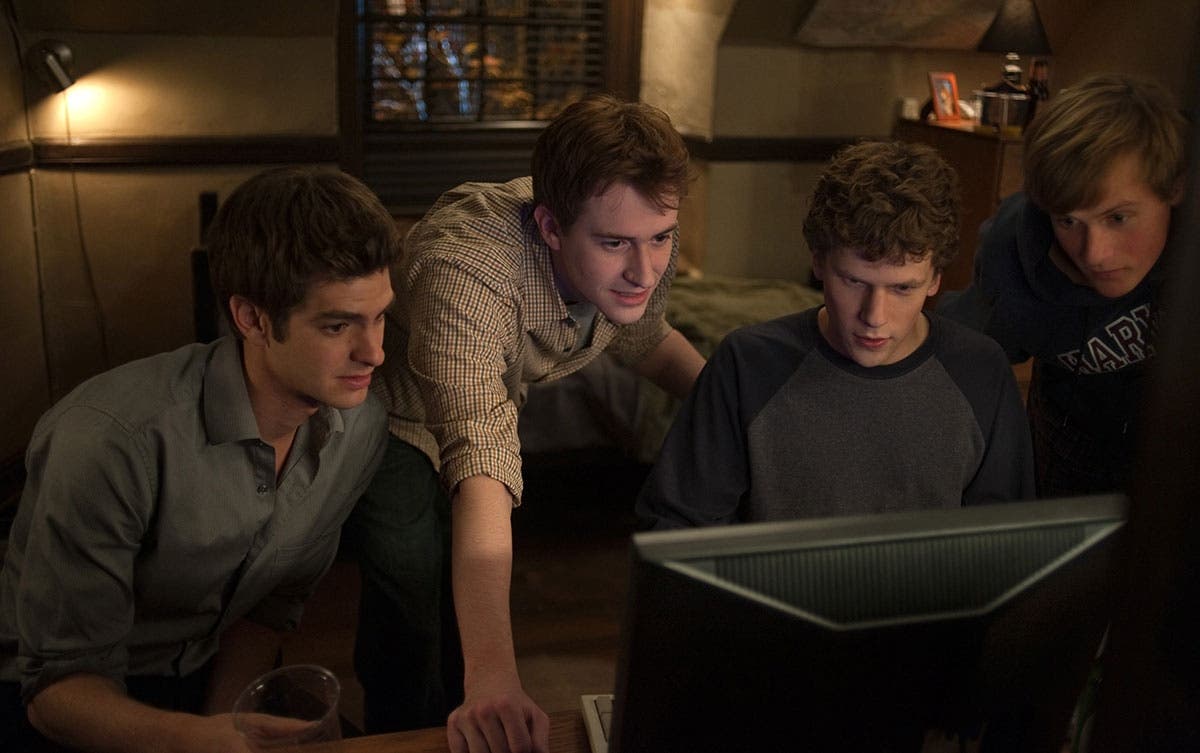
David Fincher’s film examines the modern engine of American innovation — ambition, disruption and unintended consequences. The story of Facebook’s creation becomes a study in how reinvention can reshape culture faster than anyone anticipates. In the end, the film suggests that the American experiment now unfolds as much online as it does in the public square.
“The New World” (2005)
Colin Farrell, Q’orianka Kilcher; directed by Terrence Malick
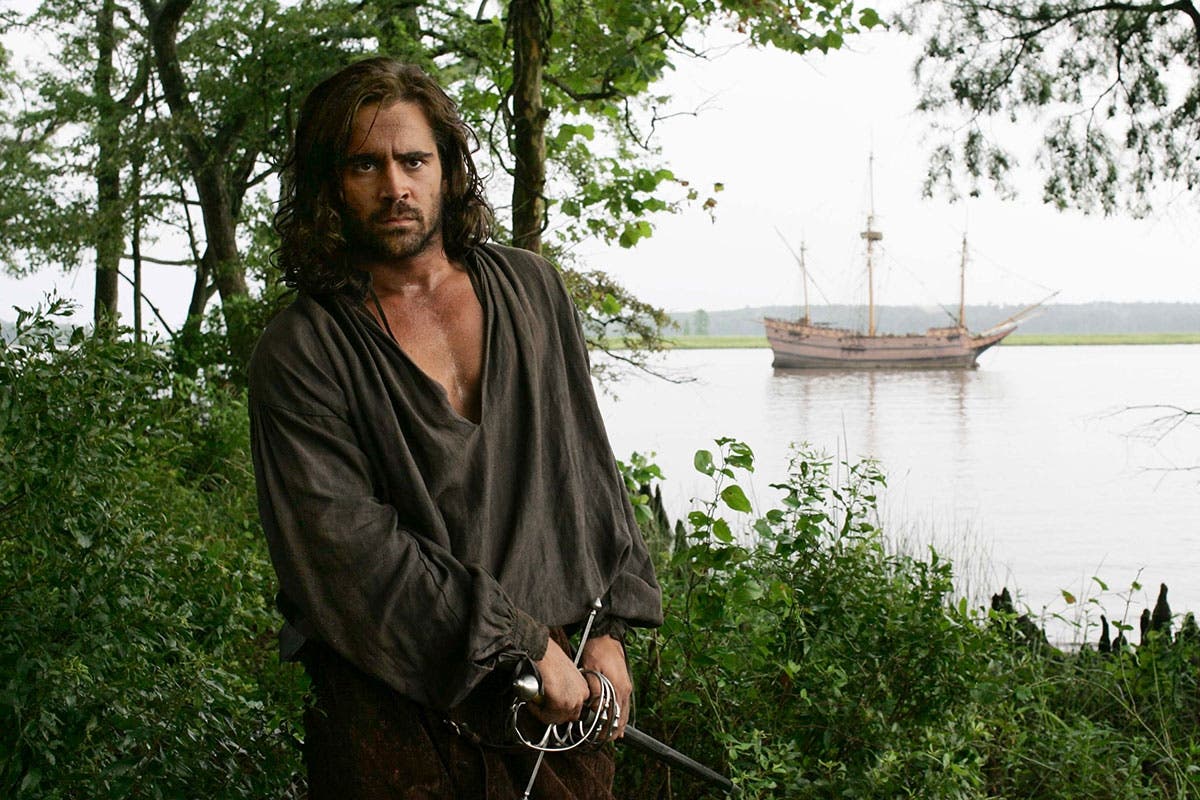
Malick’s dreamlike retelling of 1607 Jamestown captures the collision of cultures at the nation’s origin, revealing how myth and reality diverge from the start. The film’s middle passages underscore that the American story is rooted in encounter, misunderstanding and transformation. It’s an origin story told with quiet, lyrical force.
“Saving Private Ryan” (1998)
Tom Hanks, Matt Damon; directed by Steven Spielberg
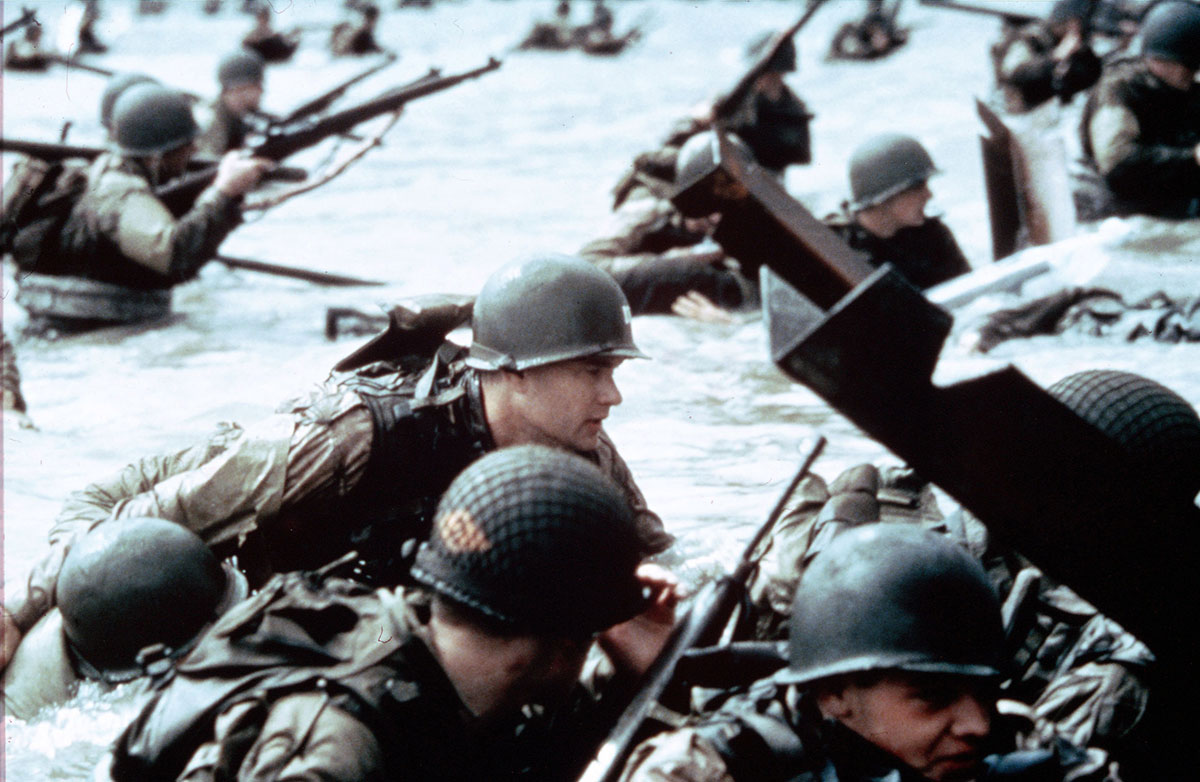
Steven Spielberg’s war epic honors the cost of defending national ideals, grounding heroism in sacrifice rather than spectacle. The film’s closing movement delivers its meaning: the idea that the American experiment is sustained not by mythic bravery but by ordinary people carrying extraordinary burdens. It remains one of the most visceral depictions of WWII ever filmed.
“The Grapes of Wrath” (1940)
Henry Fonda, Jane Darwell; directed by John Ford
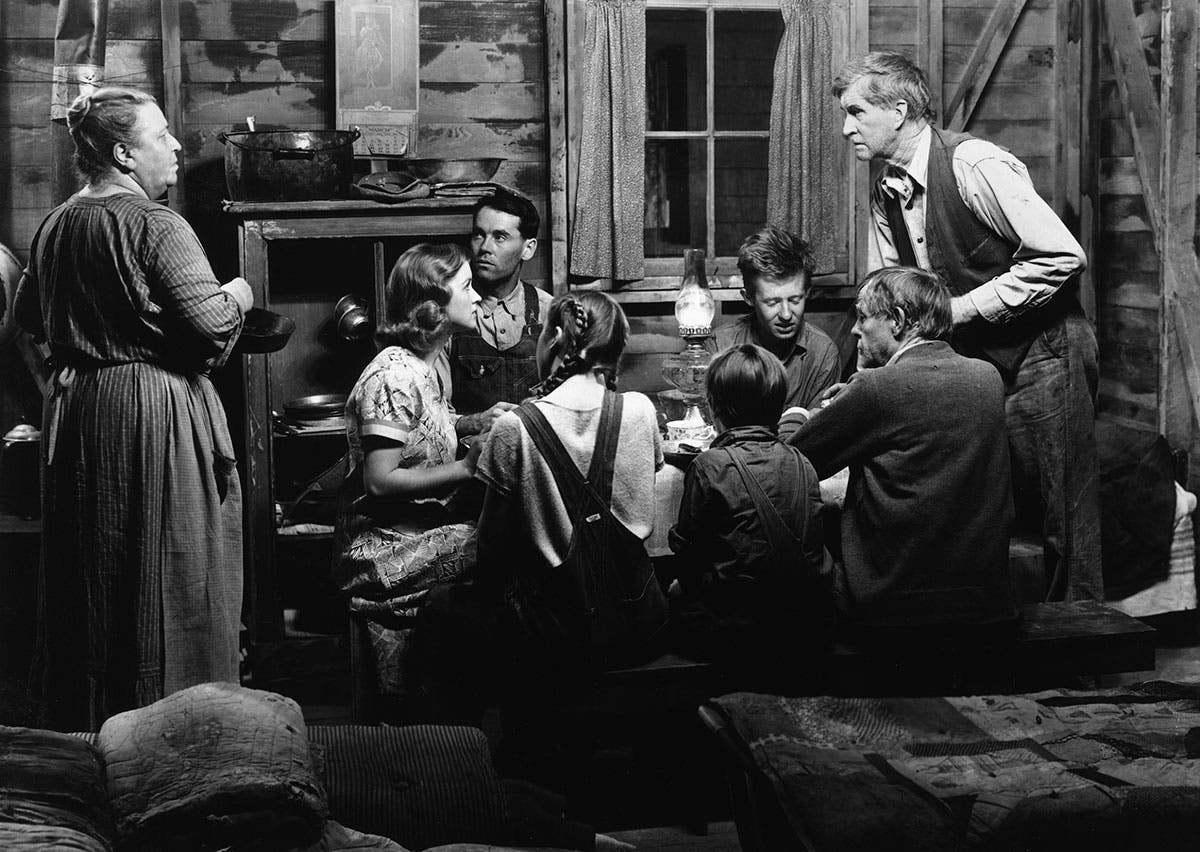
John Ford’s adaptation of Steinbeck’s novel portrays resilience in the face of economic devastation, showing how ordinary people redefine the meaning of America when institutions fail them. Midway through the film, the Joads’ journey becomes a broader reflection on dignity, community and survival. It’s a stark, humane portrait of the country in crisis.
“The American Revolution” (2025–2026)
Directed by Ken Burns, Sarah Botstein, David Schmidt; written by Geoffrey C. Ward
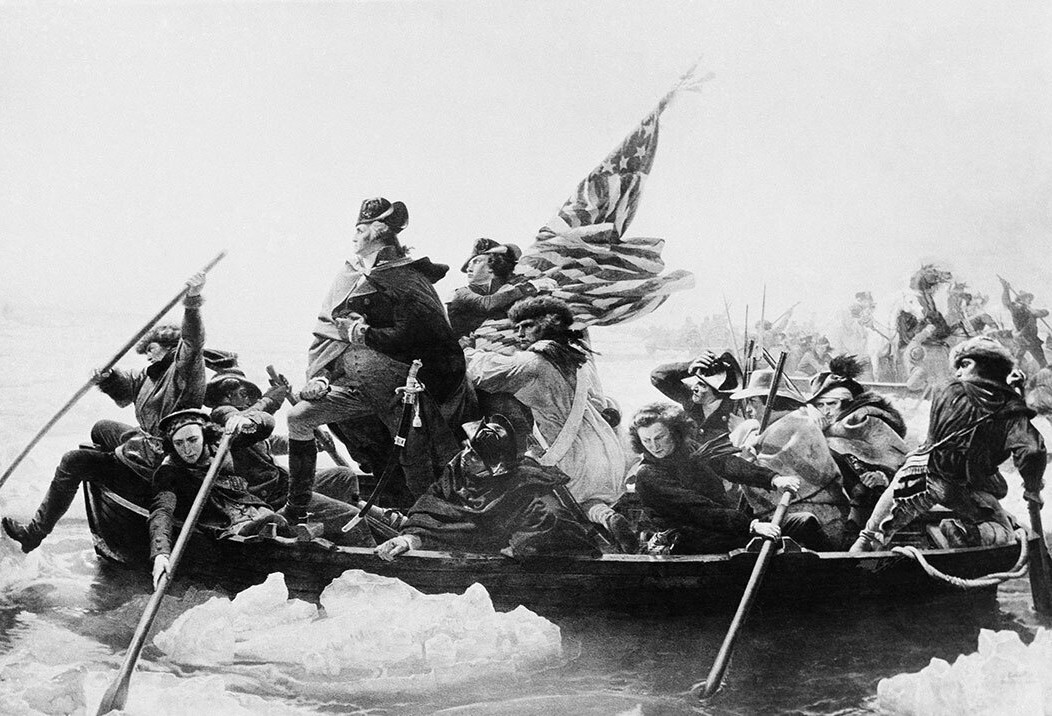
Ken Burns’ documentary anchors the list by tracing how a fragile idea became a nation through conflict, compromise and conviction. The six-part PBS series blends archival material with narrative clarity, revealing the founding as a human struggle rather than a foregone triumph. By its final moments, the film makes it clear that the American experiment began in uncertainty, and its endurance remains a collective act.
“Turn: Washington’s Spies” (2014–2017)
Jamie Bell, Seth Numrich, Heather Lind; created by Craig Silverstein
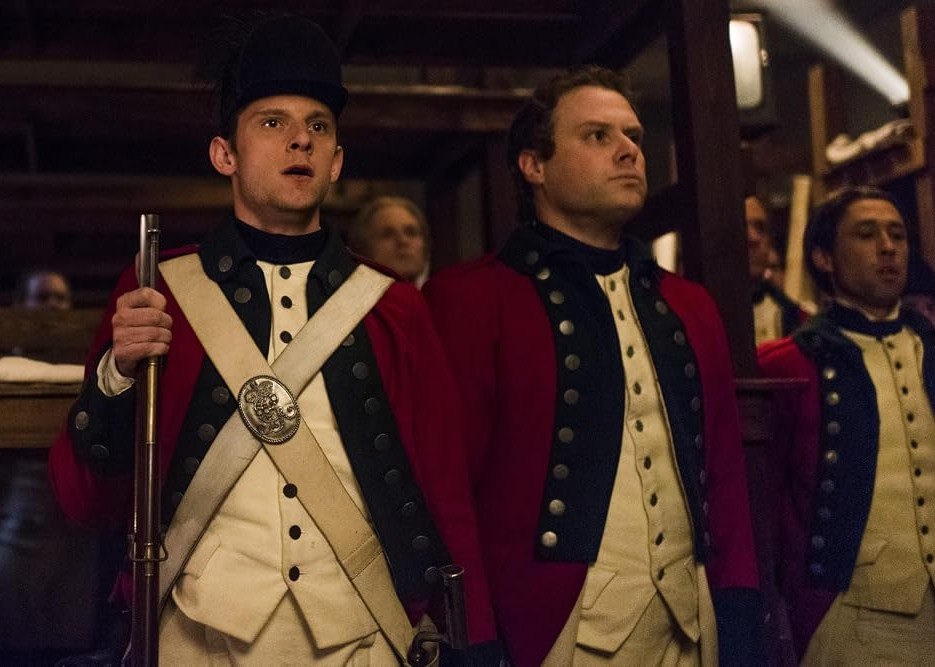
AMC's “Turn” dramatizes the Culper Ring, the covert network that helped George Washington outmaneuver the British and shift the course of America's fight for independence. The series blends espionage tension with political urgency, revealing how intelligence, secrecy and improvisation shaped the Revolution as much as battlefield heroics.
Jamie Bell’s turn as real-life spy Abraham Woodhull anchors the series in moral conflict. By focusing on the hidden machinery behind independence, the show highlights how the founding depended not only on ideals but on quiet acts of courage carried out in the shadows.
Get more local news delivered straight to your inbox. Sign up for free Patch newsletters and alerts.