Neighbor News
UMG vs "Dancing Baby": Op-Ed on Fair Use YouTube Ruling
The recent "Dancing Baby" ruling by the 9th Circuit shows us that common sense still matters in the courtroom, if not the music industry.
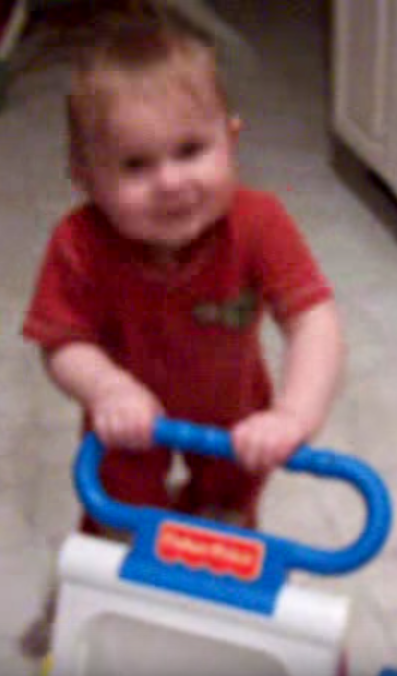
Prince sang “Let’s Go Crazy” and Universal Music Group did.
15 years after record labels mindlessly fought against the unstoppable train of digital music and sharing, UMG decides to spend chunks of what money it has left to fight a mother who posted a 29-second clip of her child being adorable to faint echos of Prince’s “Let’s Go Crazy”. So why is UMG spending gobs of shareholder money taking down a video that earned over 1 million views? And since more and more consumer brands are allocating many dollars to collect eyeballs around their products via YouTube, this UMG effort seems even more ridiculous.
In many ways Copyright law started out in the US in 1783 as 95% consumer rights (ie ‘fair use) and 5% content owner rights. Since then the powerful have continually spent millions lobbying and legalling against consumers. Of course copyrights are serious and do need defense but when that defense is egregious and ignores common sense fair use it is time to push back. This new ruling says that copyright holders can’t demand videos and other content that uses their material be taken down without determining whether they constitute “fair use”, i.e., stop being a bully and use common sense or it may cost you money.
Find out what's happening in Hollywoodfor free with the latest updates from Patch.
At the beginning of this century I was CEO of digital music pioneer RioPort and watched the music labels not only viciously attack many consumers but prevent legal digital music services from happening until late 2002. This stance allowed Napster et all to happen leading to the decimation of music industry revenues, currently $6 billion down from $15 billion. And they lost the support of fans, the worst outcome possible.
While the video (TV and Movies) industry has been smarter about dealing with the new digital video social media era they too must learn from the mistakes of the music industry and adopt a common sense, not control, approach to fans clipping and sharing small segments of professional content. If they don’t, the ‘Napsterization’ of TV content could happen in a similar fashion. Once they embrace fan sharing, it will be time to party like it’s 1999...
Find out what's happening in Hollywoodfor free with the latest updates from Patch.
https://www.youtube.com/watch?t=29&v=N1KfJHFWlhQ
Jim Long – Didja, CEO
Jim Long is CEO of Didja, a mobile and web service empowering viewers to clip and share videos from a live broadcast event or TV show. Didja’s first product launch is Clippit, a user generated clipping app.
Jim founded Starlight Networks, which coined the term ‘streaming video’ and pioneered video streaming and multicasting. He co-founded Veritas, which was bought by Symantec for $12 Billion+, and RioPort, the precursor to iTunes and one of the first services that allowed consumers to acquire legal digital music. Jim was most recently a partner with one of Silicon Valley’s top VC firms, Gabriel Ventures.