Arts & Entertainment
What To Watch This Weekend: 'Lee Cronin's The Mummy,' 'Exit 8,' 'Mother Mary,' 'Normal' And 'Beef Season 2'
Jack Reynor, Anne Hathaway, Bob Odenkirk, Oscar Isaac and Carey Mulligan anchor a slate that moves from looping dread to class conflict.



HOLLYWOOD, CA — This week’s watchlist moves through loops, curses and the uneasy spaces where reinvention meets reckoning.
Lee Cronin’s “The Mummy” drags an ancient curse into the present to confront what grief refuses to release, while “Exit 8” traps its protagonist in a corridor that refuses to resolve.
As for “Mother Mary,” it shifts the tension inward, following a pop icon and the designer who shaped her image through a night of old wounds and new performances.
Find out what's happening in Hollywoodfor free with the latest updates from Patch.
“Normal” drags a weary sheriff into the violent undercurrent of a town that was never as quiet as it seemed, while “Beef: Season 2” moves the anthology’s fuse to a country‑club battleground where class, power and passive‑aggressive warfare collide.
Together, these titles trace the fault lines between who we think we are and what the world reflects back — stories of people pushed to the edge of their own lives, forced to confront the truths they’ve been looping around, outrunning or digging up for far too long.
Find out what's happening in Hollywoodfor free with the latest updates from Patch.
Ready to dive in? Scroll down for the full lineup, with deeper explorations below that unpack performances, themes and craft in greater detail.
Related:
- 'Exit 8' Review: Inside Genki Kawamura’s Unnerving Loop of Panic and Paranoia
- Other Titles To Watch: 'You, Me & Tuscany,' 'The Christophers,' 'Euphoria S3,' 'The Boys S5'
What To Watch This Weekend
“The Mummy”
Jack Reynor, Laia Costa, Natalie Grace; directed by Lee Cronin
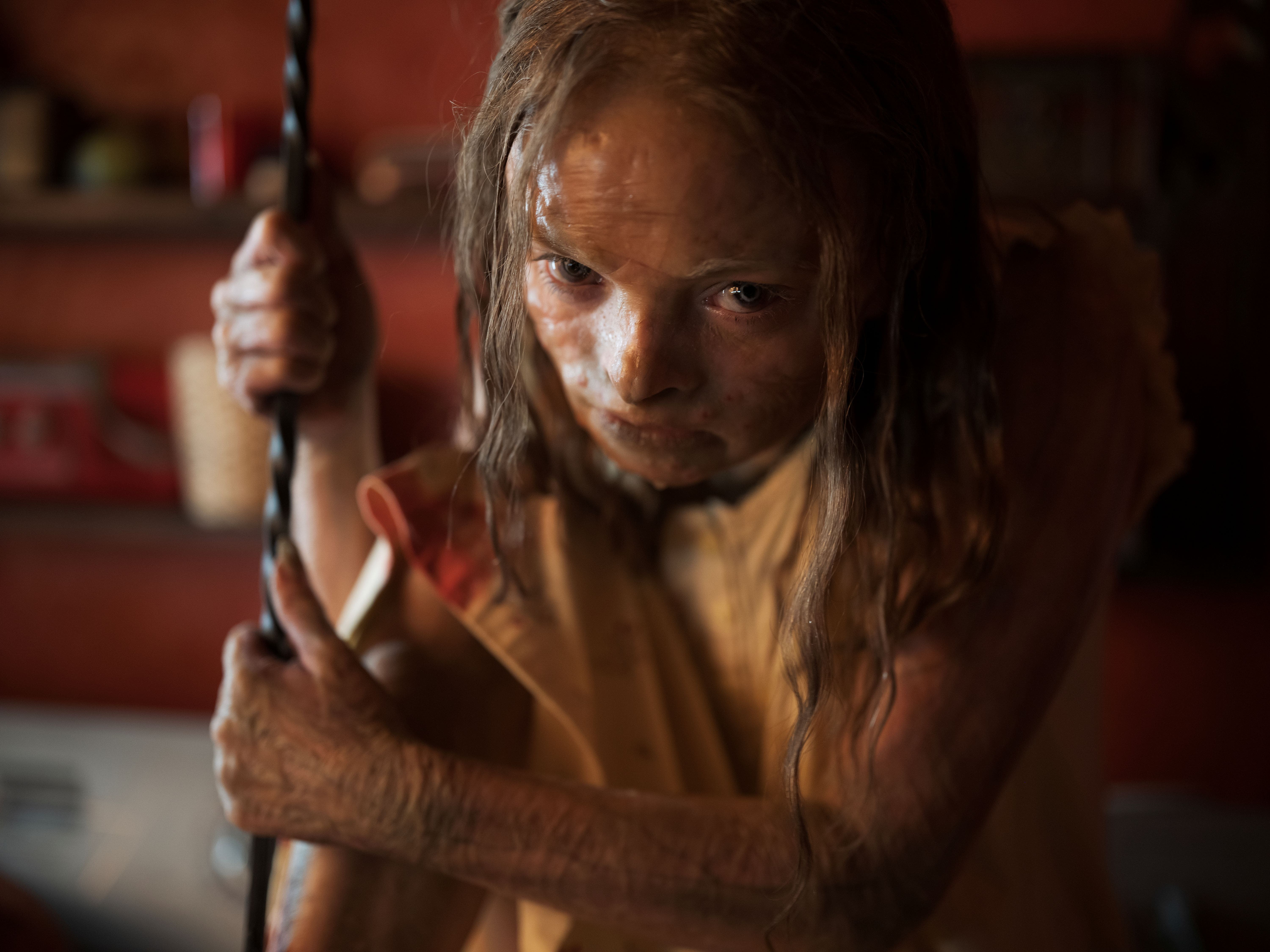
Lee Cronin’s horror‑drama begins with the Cannons — Charlie (Jack Reynor), a TV journalist newly based in Cairo, and Larissa (Laia Costa), trying to steady their family abroad — when their young daughter, Katie (Natalie Grace), disappears under circumstances that feel both criminal and uncanny.
Eight years later, after a desert plane crash reveals a sealed sarcophagus, Katie is found alive inside, returned to her parents with a presence that seems to watch the room before she does. Detective Dalia Zaki (May Calamawy) becomes the family’s wary guide as they confront their new realities.
Cronin shifts the film from disappearance mystery to possession thriller, grounding its supernatural turns in the strain of a household trying to hold shape around something they can’t name. The violence is sharp, the demon mythology unnerving, but the film’s charge comes from the way fear settles into ordinary spaces — a hallway, a bedroom door, a child’s silence. It’s a creature story reframed as domestic unraveling, a story about what remains when the miracle you begged for finally returns, carrying a stranger’s shadow.
"Exit 8"
Kazunari Ninomiya, Rinka Kumada; directed by Genki Kawamura
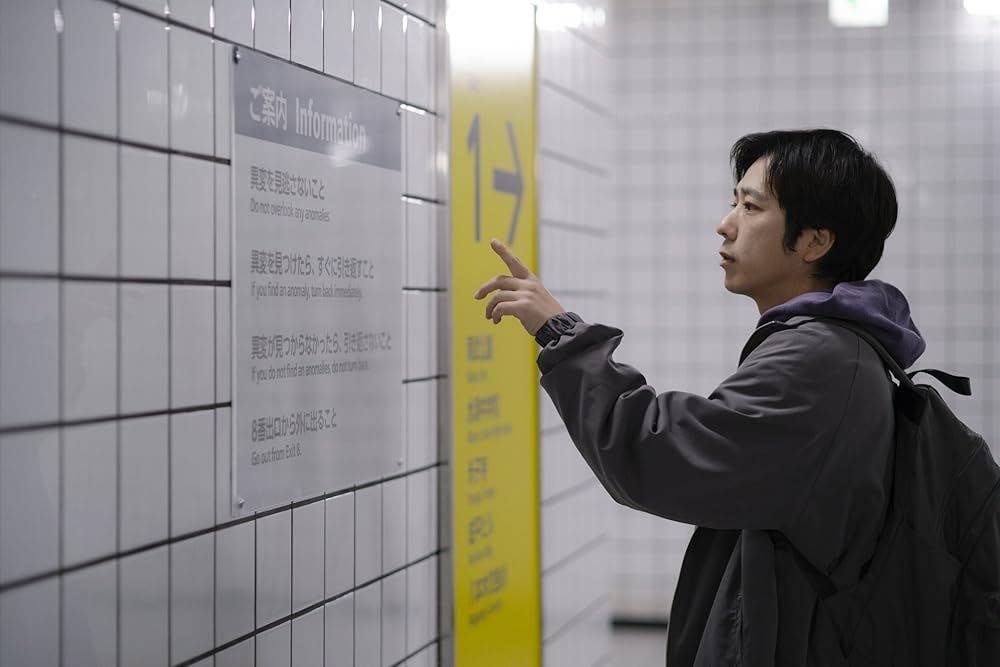
Genki Kawamura’s psychological thriller follows a man known only as the Lost Man (Kazunari Ninomiya), whose ordinary commute fractures into something unrecognizable. After witnessing a tense moment on a train and receiving life-altering news, he collapses into panic and awakens in a corridor that loops endlessly, its exits shifting from promise to trap. Each pass reveals new anomalies — a skewed doorknob, a silent child, a figure who shouldn’t be there — as the hallway folds his fears back onto him. Searching for Exit 8 becomes a desperate attempt to outrun the truths he’s avoided.
Kawamura turns the minimalist premise into a tightening Möbius strip of dread, using repetition and subtle visual ruptures to make the corridor feel alive and complicit. Ninomiya anchors the film with a performance of steady unraveling, his breaths and glances carrying more weight than dialogue ever could. The loops can verge on monotony, but that stasis becomes part of the terror — the sense of being trapped in the spaces between decisions. It’s a compact, unnerving study of avoidance and acceptance, a reminder of how easily we circle our fears until facing them is the only way forward.
"Mother Mary"
Anne Hathaway, Michaela Coel; directed by David Lowery
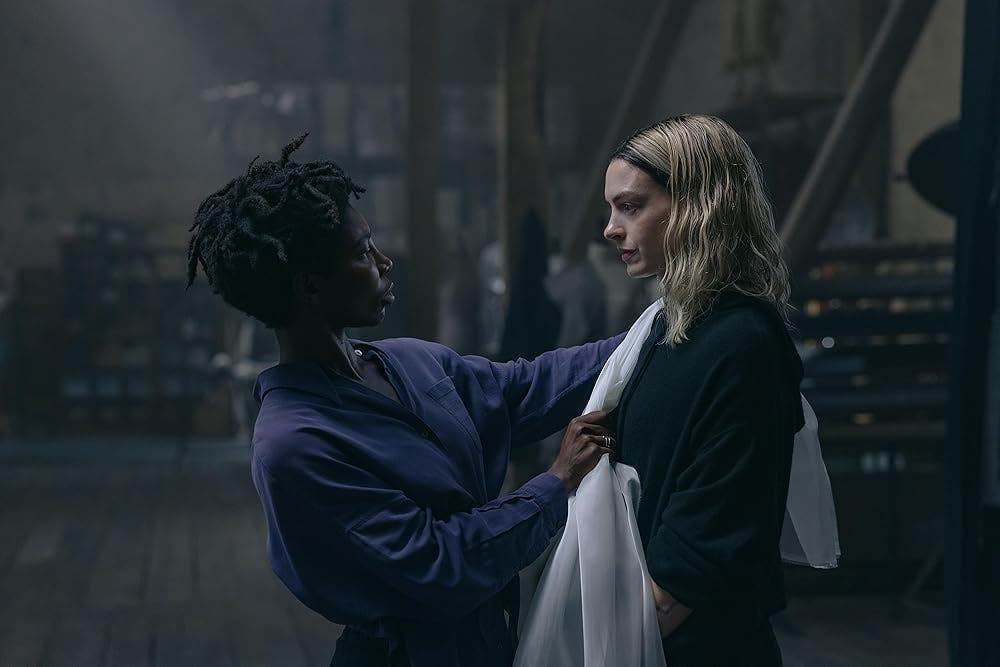
David Lowery’s psychological drama follows global pop icon Mary (Anne Hathaway) as she returns to the designer who once shaped her image, Sam Anselm (Michaela Coel), seeking a dress for a high-stakes comeback performance. What begins as a strained professional reunion quickly exposes the fractures beneath their shared history — the ambition, devotion and quiet betrayals that once bound them together. As the night unfolds, the film slips between their charged present and the stylized concert world Mary has built around herself, a glittering stage that reflects as much as it conceals.
Lowery shapes the story as a pop-opera ghost tale, blending performance spectacle with an intimate study of creation and control. Hathaway gives Mary a volatile mix of vulnerability and mythmaking, while Coel grounds the film with a flinty, clear-eyed intensity. The music — from Jack Antonoff, Charli XCX and FKA Twigs — deepens the film’s feverish pulse, turning each song into a confession. It’s a sharp, haunting look at the cost of reinvention, and the way artists sometimes become the stories they’ve spent years trying to outrun.
"Normal"
Bob Odenkirk, Lena Headey, Henry Winkler; directed by Ben Wheatley
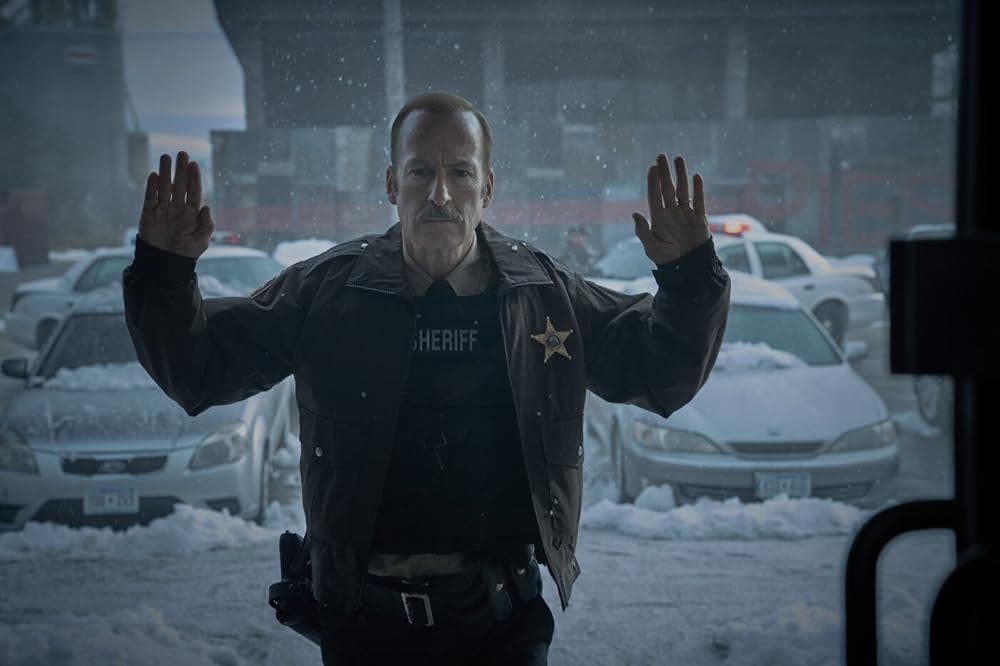
Ben Wheatley’s neo-Western action thriller follows Ulysses Richardson (Bob Odenkirk), a temporary sheriff hoping for a quiet reset in the small town of Normal, Minnesota. That calm evaporates when a botched bank robbery exposes a criminal network hiding in plain sight, turning the town’s “Minnesota Nice” veneer into something far stranger and more volatile. As Ulysses tries to piece together what’s really happening, he’s pulled into a spiral of violence, corruption and buried secrets, with figures like the slippery Mayor Kibner (Henry Winkler) and the sharp-edged Moira (Lena Headey) complicating every step.
Wheatley leans into the film’s pulp energy — shootouts, sudden turns, and a streak of dark humor — while Odenkirk grounds the chaos with a weary, soulful presence. The action is messy and tactile, the kind that feels improvised and lived-in, echoing the bruised humanity he brought to "Nobody." What emerges is a blood-soaked, genre-bending tale about a man who no longer trusts his instincts, forced to confront the parts of himself he’s been avoiding. It’s a violent, off-kilter ride that finds its charge in the moment Ulysses realizes the town’s name was never a promise, only a warning.
"Beef: Season 2"
Oscar Isaac, Carey Mulligan, Cailee Spaeny, Charles Melton; created by Lee Sung Jin

The second season of Lee Sung Jin’s anthology shifts the show’s combustion point from road-rage fury to something quieter but no less volatile: a workplace-born, class-fractured feud between two couples orbiting an elite California country club.
Joshua Martín (Oscar Isaac) and his wife Lindsay (Carey Mulligan) are unraveling under the weight of their own expectations, while Ashley (Cailee Spaeny) and Austin (Charles Melton), a Gen-Z couple working at the club, witness a violent argument that pulls them into their bosses’ orbit. What begins as a moment of overheard conflict becomes a tightening web of favors, coercion and social maneuvering, all under the watchful eye of the club’s billionaire owner, Chairwoman Park (Youn Yuh-jung).
Where Season 1 exploded outward, Season 2 simmers — a study in passive-aggressive warfare, generational divides and the quiet humiliations that calcify into resentment. Isaac and Mulligan bring a brittle, lived-in tension, while Spaeny and Melton ground the story in the anxieties of upward mobility. The result is a sharp, unsettling look at how power reshapes intimacy, and how the smallest fracture can widen into a chasm when everyone is pretending they’re fine.
Get more local news delivered straight to your inbox. Sign up for free Patch newsletters and alerts.