Arts & Entertainment
Hollywood Writers Strike Could End Soon As Negotiations Continue Into The Night
After a full day of negotiations Thursday, the studios and union continued their negotiations into the night.


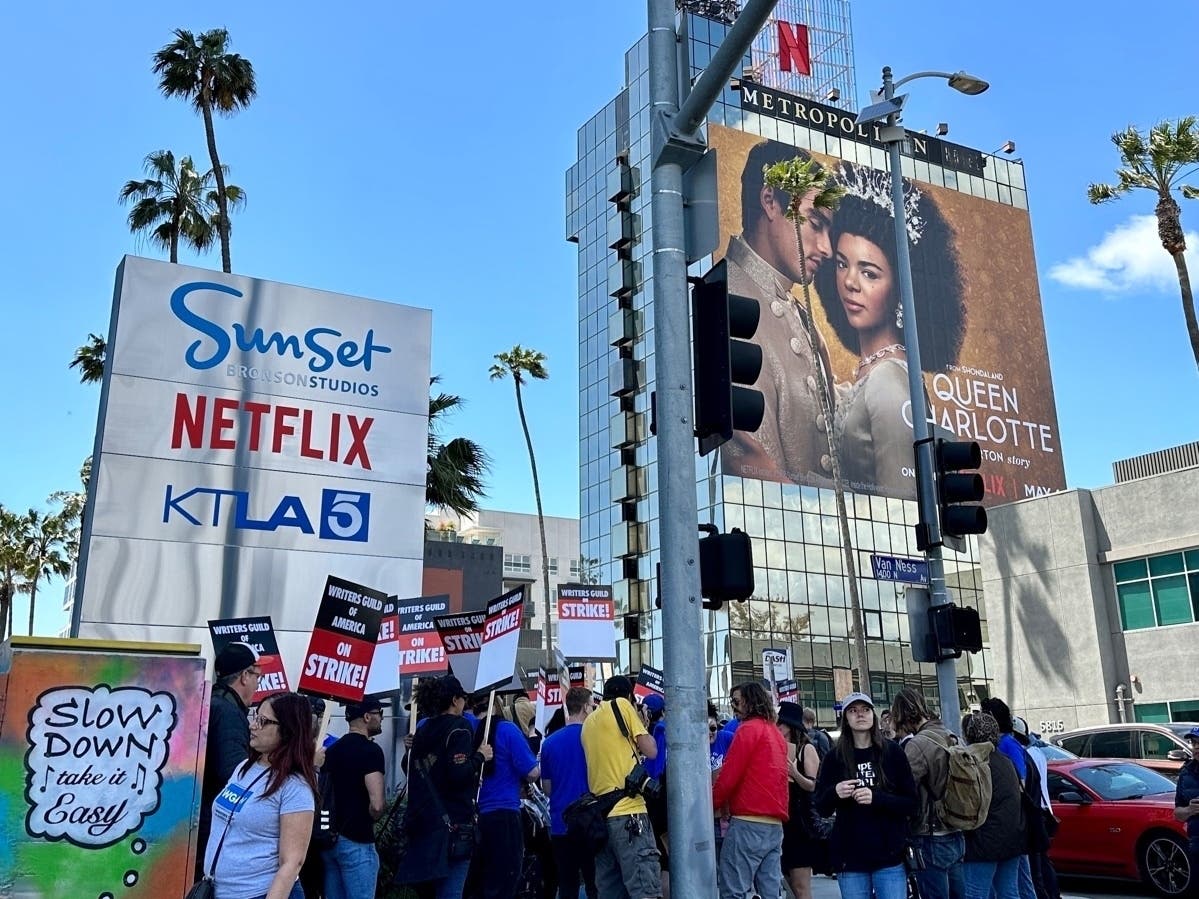
HOLLYWOOD, CA — Late-night negotiations are underway as the Writers Guild of America and studios work to iron out a deal that could prevent the Hollywood writers strike from entering its fifth month, Deadline reported.
After a months-long stalemate, the sides met Wednesday to negotiate for the first time since mid-August. On Thursday, leaders from the biggest studios took part in the dealmaking session: Disney's Bob Iger, Warner Bros. Discovery's David Zaslav, NBCUniversal's Donna Langley and Netflix's Ted Sarandos — a sign that things had finally started moving forward in earnest, Variety reported.
And the progress was apparently so promising that the sides continued to work into the night following Thursday's full-day session, according to deadline.
Find out what's happening in Hollywoodfor free with the latest updates from Patch.
The strike came after contract talks between the union and studios broke down as the previous agreement expired in May.
The disagreement centers around the WGA's push for higher residual pay for streaming content based on a show or movie's performance. Writers under the previous contract had earned a flat fee for such content, a dramatic change from the pre-streaming era: Writers whose shows or movies saw success used to earn huge payouts through syndication and DVD sales.
Find out what's happening in Hollywoodfor free with the latest updates from Patch.
The WGA also seeks to create industry standards for the number of writers assigned to each show, increase foreign streaming residual payments and implement regulations preventing the use of artificial intelligence for writing work.
The dual WGA/SAG-AFTRA strikes have had enormous ripple effects on film and TV production and the broader economy. Production of nearly all scripted projects has ground to halt, while efforts to get talk shows back up and running were met with backlash.
Earlier this month "The Drew Barrymore Show," "Real Time With Bill Maher" and "The Talk" announced controversial plans to resume production as networks struggled with a dearth of content. But producers of those programs quickly backtracked in the face of public pressure against their plans to create new shows without writers.
While only actors and writers have been on strike, the lack of production has meant that many people in Hollywood — from costumers to caterers — have been without a paycheck, too. As of the beginning of August, the strikes were estimated to have cost the California economy $3 billion dollars, according to an estimate from Professor Todd Holmes of Cal State Northridge.
When you consider the large amount of production that happens outside of LA in film centers like New York, Atlanta and Vancouver, the impact at that time was as high as $6 billion, Holmes told KCRW.
On July 14, actors joined writers on the picket lines for a historic double strike. Once the WGA deal is settled, studios are set to focus on making a deal with SAG-AFTRA; the AMPTP has said it would only focus on negations with one union at a time.
Like the WGA, SAG-AFTRA cited the use of artificial intelligence by studios as among their chief concerns.
The WGA strike, which began May 2, is the union's second-longest work stoppage in history after the 1988 strikes which lasted 154 days, Vanity Fair reported.
Get more local news delivered straight to your inbox. Sign up for free Patch newsletters and alerts.